THE ADVENTURE COLLECTIVE® · Independent discovery and booking for outdoor travel

Spend ten hours tracing southern Iceland’s most dramatic scenes: walk behind Seljalandsfoss, stand beneath Skógarfoss, explore Reynisfjara’s black sand and view glacier ice up close. This small-group minibus tour from Reykjavík covers varied terrain with short walks and expert local commentary.
Spend ten hours tracing southern Iceland’s most dramatic scenes: walk behind Seljalandsfoss, stand beneath Skógarfoss, explore Reynisfjara’s black sand and view glacier ice up close. This small-group minibus tour from Reykjavík covers varied terrain with short walks and expert local commentary.
By mid-morning the Sprinter eases onto the southern ring road and the flat, cultivated lowlands open into a wild line of cliffs, rivers and ice. Spray from Seljalandsfoss mists the air as you step close enough to feel the waterfall’s push; further along, Skógarfoss thunders down in a constant wall of white. The black sand of Reynisfjara absorbs the Atlantic light while basalt sea stacks puncture the surf like dark fingers.
Verified experiences and guided adventures in the surrounding area.
Operated by Back to Iceland travel · Reykjavik, Capital Region
By mid-morning the Sprinter eases onto the southern ring road and the flat, cultivated lowlands open into a wild line of cliffs, rivers and ice. Spray from Seljalandsfoss mists the air as you step close enough to feel the waterfall’s push; further along, Skógarfoss thunders down in a constant wall of white. The black sand of Reynisfjara absorbs the Atlantic light while basalt sea stacks puncture the surf like dark fingers.
This corridor of southern Iceland is geology on display: recent lava fields sit beside glacial sculpting from Mýrdalsjökull, and the black beaches are ground volcanic glass. Dyrhólaey—once an island—still keeps its door-like arch and nesting seabirds, while Urriðafoss on the Þjórsá hints at the region’s hydroelectric history and contested development. Local farmsteads, small fishing villages and road-side turf houses remind you this coastline has fed people and shaped culture for centuries.
On a practical level the day tour is a rolling gallery; expect five to six short stops with 10–60 minute windows for walks and photos. Bring a waterproof outer layer and shoes with traction — walking behind Seljalandsfoss often gets you wet — and a power bank for cameras and phones. Weather shifts fast: plan layers, start early for better light, and heed the guide about sneaker waves at Reynisfjara and cliff-edge closures during bird season.
If time allows, linger at a coastal viewpoint to watch currents sculpt the shore—this route rewards patience as much as pace.
easy.
10 hours.
Suitable for most fitness levels; requires short walks on uneven, sometimes wet ground
Yes — the tour includes hotel pickup or selected bus-stop pickup points in Reykjavík; confirm your pickup location at booking.
No — the tour covers transport and guiding; food, coffee stops and any paid site fees are extra and handled by guests.
Only short walks of 10–60 minutes at a time are required, but terrain can be slippery or uneven around waterfalls and the beach.
Children can join (child pricing applies when sharing with two adults) but the tour requires short outdoor walks and some steps; contact the operator about specific mobility concerns.
The south coast’s landscape is shaped by recent volcanism and glacial action; Dyrhólaey was once an island and Urriðafoss has long been noted in plans for hydropower development.
The black sand beaches and fragile moss on lava fields are highly erosion-prone—stick to marked paths, don’t remove sand or rocks, and follow local wildlife protection signage.
Back to Iceland travel operates guided outdoor trips and adventures with an emphasis on safety, stewardship, and memorable experiences.
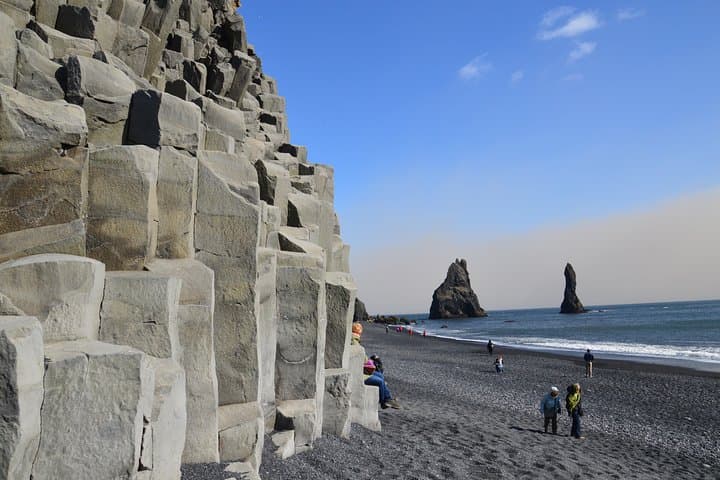
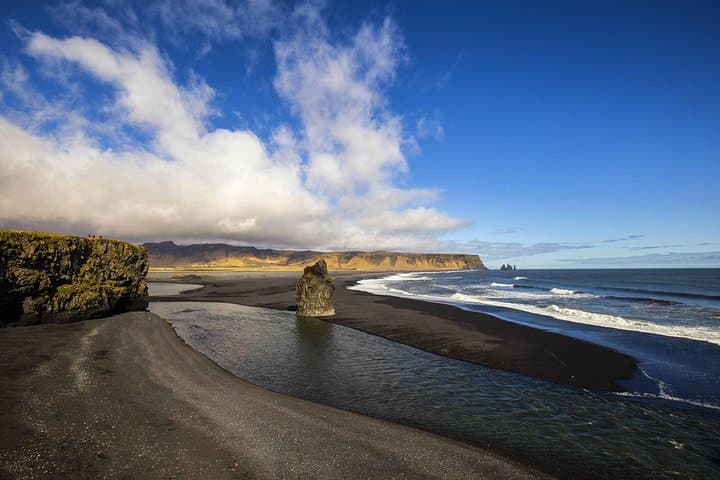
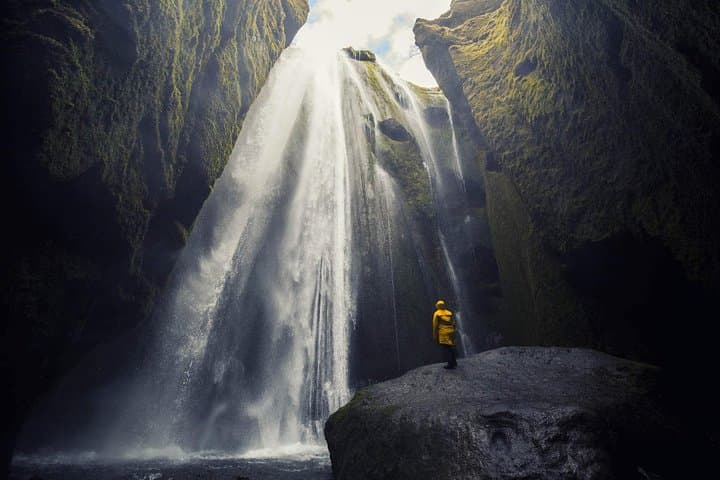
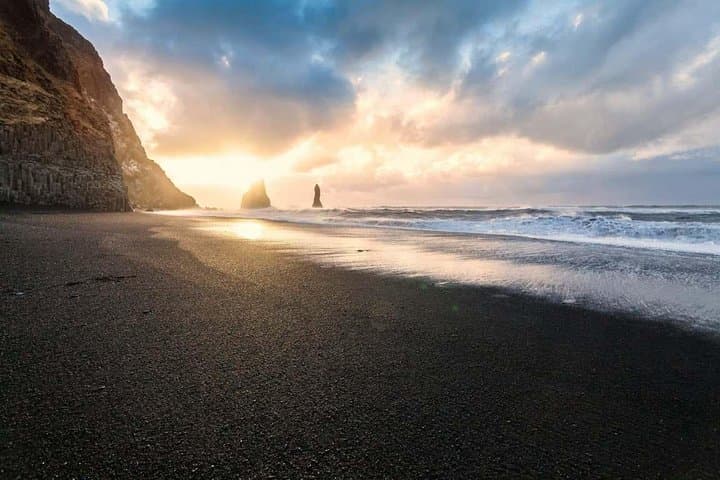
By mid-morning the Sprinter eases onto the southern ring road and the flat, cultivated lowlands open into a wild line of cliffs, rivers and ice. Spray from Seljalandsfoss mists the air as you step close enough to feel the waterfall’s push; further along, Skógarfoss thunders down in a constant wall of white. The black sand of Reynisfjara absorbs the Atlantic light while basalt sea stacks puncture the surf like dark fingers.
By mid-morning the Sprinter eases onto the southern ring road and the flat, cultivated lowlands open into a wild line of cliffs, rivers and ice. Spray from Seljalandsfoss mists the air as you step close enough to feel the waterfall’s push; further along, Skógarfoss thunders down in a constant wall of white. The black sand of Reynisfjara absorbs the Atlantic light while basalt sea stacks puncture the surf like dark fingers.
This corridor of southern Iceland is geology on display: recent lava fields sit beside glacial sculpting from Mýrdalsjökull, and the black beaches are ground volcanic glass. Dyrhólaey—once an island—still keeps its door-like arch and nesting seabirds, while Urriðafoss on the Þjórsá hints at the region’s hydroelectric history and contested development. Local farmsteads, small fishing villages and road-side turf houses remind you this coastline has fed people and shaped culture for centuries.
On a practical level the day tour is a rolling gallery; expect five to six short stops with 10–60 minute windows for walks and photos. Bring a waterproof outer layer and shoes with traction — walking behind Seljalandsfoss often gets you wet — and a power bank for cameras and phones. Weather shifts fast: plan layers, start early for better light, and heed the guide about sneaker waves at Reynisfjara and cliff-edge closures during bird season.
If time allows, linger at a coastal viewpoint to watch currents sculpt the shore—this route rewards patience as much as pace.