THE ADVENTURE COLLECTIVE® · Independent discovery and booking for outdoor travel

Spend a private day exploring South Iceland’s dramatic coastline: walk behind Seljalandsfoss, stand on Reynisfjara’s basalt beach and peer toward Dyrhólaey’s arch. This flexible tour from Reykjavík gives you exclusive time with a local guide to tailor each stop.
Spend a private day exploring South Iceland’s dramatic coastline: walk behind Seljalandsfoss, stand on Reynisfjara’s basalt beach and peer toward Dyrhólaey’s arch. This flexible tour from Reykjavík gives you exclusive time with a local guide to tailor each stop.
A low cloud hangs over the black sand as the guide eases the van onto the shoulder and opens the door to a wind that smells of salt and ash. Footsteps crunch; spray from a nearby fall dares you to step closer. Over the course of a long day on Iceland’s south coast, cliffs, arches and waterfalls don’t simply sit pretty — they push, pull and reveal the island’s geological story.
Verified experiences and guided adventures in the surrounding area.
Operated by Iceland in Motion · Reykjavík, Capital Region
A low cloud hangs over the black sand as the guide eases the van onto the shoulder and opens the door to a wind that smells of salt and ash. Footsteps crunch; spray from a nearby fall dares you to step closer. Over the course of a long day on Iceland’s south coast, cliffs, arches and waterfalls don’t simply sit pretty — they push, pull and reveal the island’s geological story.
This route follows a recent geologic timeline: glacial ice and repeated volcanic eruptions sculpted coastal cliffs, carved basalt columns at Reynisfjara and set the rivers that feed Seljalandsfoss and its more secluded neighbor, Gljúfrabúi. Settlements here are shaped by the sea — old fishing farms, lighthouse keepers on Dyrhólaey, and sagas of shipwrecks along the strand. Local guides often point out how Eyjafjallajökull’s 2010 eruption rearranged access routes and viewpoints.
Practical guidance is direct: plan for 8–10 hours from Reykjavík, with multiple short walks over uneven, wet terrain. Expect 20–45 minute stops at main sites; your private guide can lengthen any visit. Waterproof layers, sturdy boots and wind protection are non-negotiable — spray from falls and gusts on cliffs arrive without warning. Summer brings long daylight and nesting birds; winter gives dramatic low sun, possible road delays and icy paths. Respect closed signs around nesting areas, stay on marked trails to prevent erosion, and carry snacks and a charged phone — services are intermittent between towns.
A private tour means flexibility: linger on the basalt at Reynisfjara, climb the ridge for Dyrhólaey views, or take an extra look behind the curtain of Seljalandsfoss. The coast’s mood shifts hour by hour; come prepared to move with it.
moderate.
8–10 hours.
Suitable for people who can handle several short walks (up to 45 minutes) on uneven terrain and stairs; not strenuous but requires nimble footing.
Most departures are from Reykjavík; return to Reykjavík at the end of the day. Pickup location and exact times are arranged at booking.
Yes — the tour is labeled physically easy and is private, so pace and stop length can be adjusted for families and older travelers.
Yes — there is a path that goes behind Seljalandsfoss but it’s wet and slippery; wear waterproof gear and watch your footing.
The operator may cancel for severe weather; minor changes to the itinerary are common. Cancellation at least 24 hours before departure is refundable per policy.
The south coast’s culture is shaped by fishing and farmsteads with roots in the Viking Age; lighthouses and shipwreck stories are common along the strand.
Trails and viewing areas are fragile; stay on marked paths to prevent black sand erosion and avoid disturbing nesting birds.
Iceland in Motion operates guided outdoor trips and adventures with an emphasis on safety, stewardship, and memorable experiences.
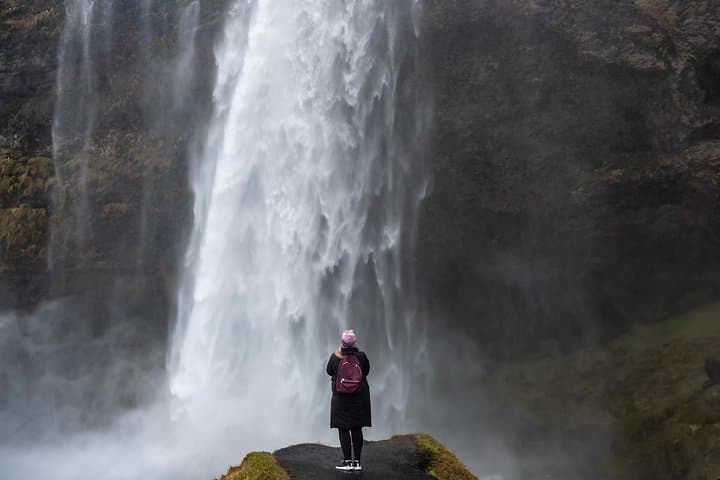
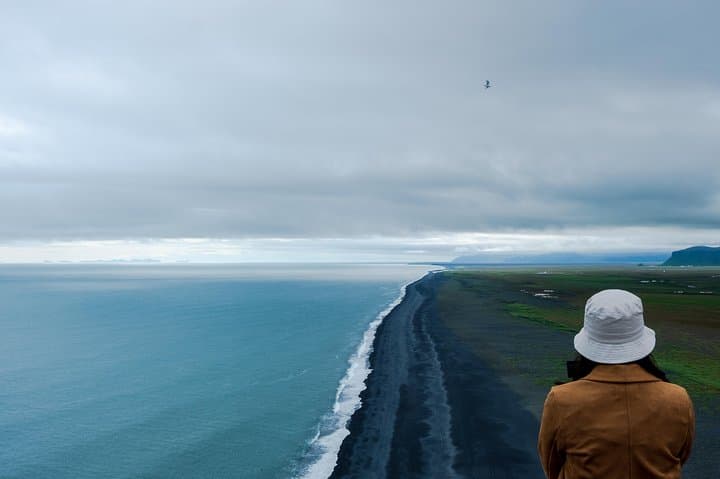
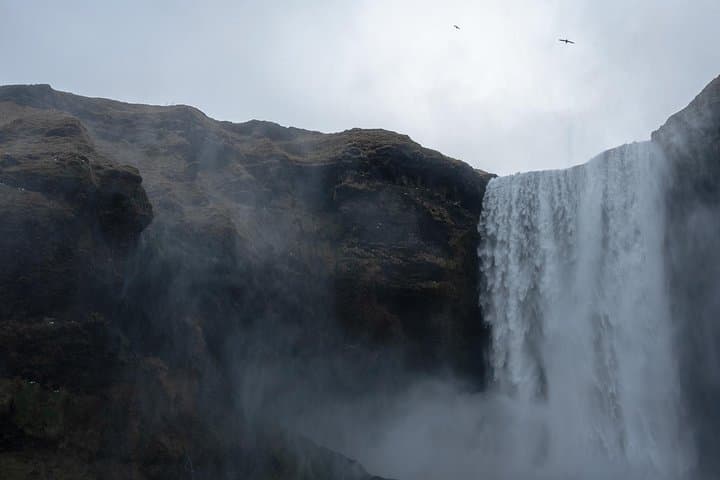
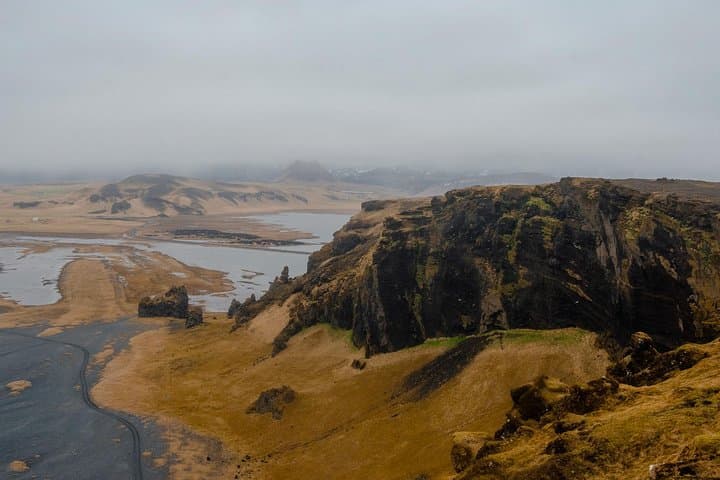
A low cloud hangs over the black sand as the guide eases the van onto the shoulder and opens the door to a wind that smells of salt and ash. Footsteps crunch; spray from a nearby fall dares you to step closer. Over the course of a long day on Iceland’s south coast, cliffs, arches and waterfalls don’t simply sit pretty — they push, pull and reveal the island’s geological story.
A low cloud hangs over the black sand as the guide eases the van onto the shoulder and opens the door to a wind that smells of salt and ash. Footsteps crunch; spray from a nearby fall dares you to step closer. Over the course of a long day on Iceland’s south coast, cliffs, arches and waterfalls don’t simply sit pretty — they push, pull and reveal the island’s geological story.
This route follows a recent geologic timeline: glacial ice and repeated volcanic eruptions sculpted coastal cliffs, carved basalt columns at Reynisfjara and set the rivers that feed Seljalandsfoss and its more secluded neighbor, Gljúfrabúi. Settlements here are shaped by the sea — old fishing farms, lighthouse keepers on Dyrhólaey, and sagas of shipwrecks along the strand. Local guides often point out how Eyjafjallajökull’s 2010 eruption rearranged access routes and viewpoints.
Practical guidance is direct: plan for 8–10 hours from Reykjavík, with multiple short walks over uneven, wet terrain. Expect 20–45 minute stops at main sites; your private guide can lengthen any visit. Waterproof layers, sturdy boots and wind protection are non-negotiable — spray from falls and gusts on cliffs arrive without warning. Summer brings long daylight and nesting birds; winter gives dramatic low sun, possible road delays and icy paths. Respect closed signs around nesting areas, stay on marked trails to prevent erosion, and carry snacks and a charged phone — services are intermittent between towns.
A private tour means flexibility: linger on the basalt at Reynisfjara, climb the ridge for Dyrhólaey views, or take an extra look behind the curtain of Seljalandsfoss. The coast’s mood shifts hour by hour; come prepared to move with it.