THE ADVENTURE COLLECTIVE® · Independent discovery and booking for outdoor travel

Journey from Reykjavík along Iceland’s dramatic south coast to Seljalandsfoss, Skógafoss, Reynisfjara and the ice-choked Jökulsárlón lagoon. This private tour pairs short coastal walks with an amphibious boat ride among giant icebergs.
Journey from Reykjavík along Iceland’s dramatic south coast to Seljalandsfoss, Skógafoss, Reynisfjara and the ice-choked Jökulsárlón lagoon. This private tour pairs short coastal walks with an amphibious boat ride among giant icebergs.
A low, gray sky pushes light across black sand and basalt like a stage lamp as the coach eases out of Reykjavík toward the south. The landscape opens in slabs—lava fields that give way to moss-clad ridges, then to the sudden vertical drops of Seljalandsfoss and Skógafoss. Travelers stand with spray in their faces and wind tugging at layers while gulls wheel above.
Verified experiences and guided adventures in the surrounding area.
Operated by Friend In Iceland Tours · Reykjavík, Capital Region
A low, gray sky pushes light across black sand and basalt like a stage lamp as the coach eases out of Reykjavík toward the south. The landscape opens in slabs—lava fields that give way to moss-clad ridges, then to the sudden vertical drops of Seljalandsfoss and Skógafoss. Travelers stand with spray in their faces and wind tugging at layers while gulls wheel above.
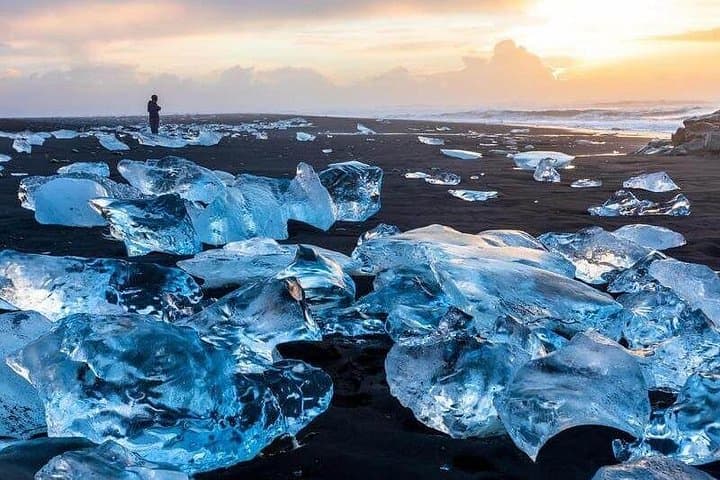
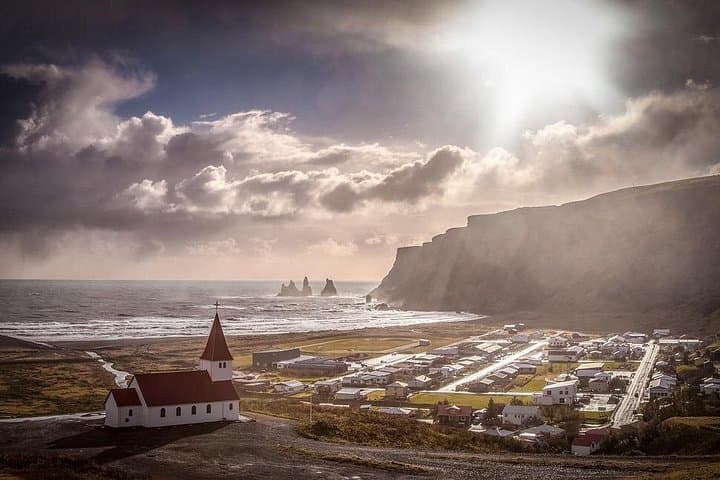
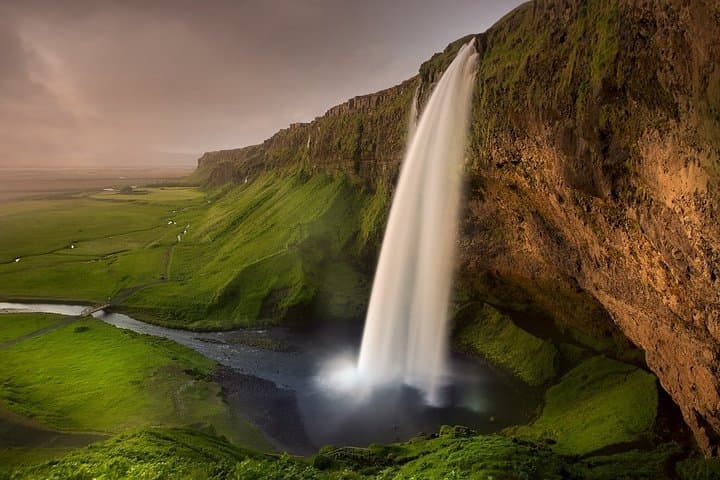
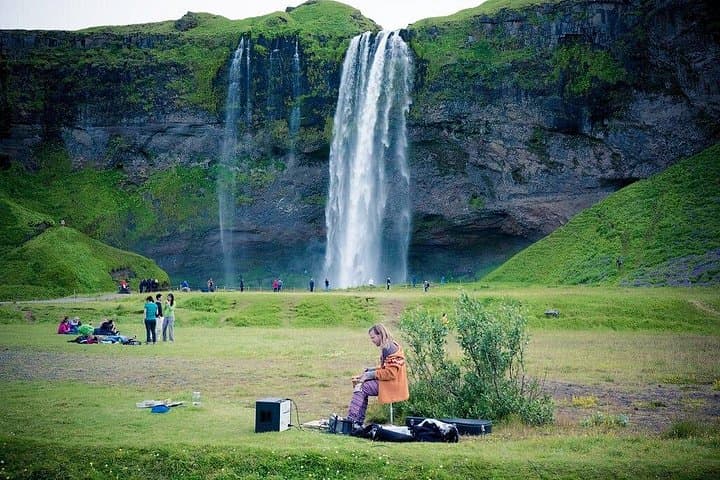
The route follows old trade and farming roads carved between glaciers and the Atlantic. Seljalandsfoss drops roughly 60 meters over an ancient coastline; a short walk north finds the hidden Gljúfrabúi. Skógafoss is wider and louder, its persistent spray often painting rainbows. Reynisfjara’s basalt columns and offshore sea stacks mark cooled volcanic flows; the black pebble beach is also a seabird habitat. The trip’s crescendo is Jökulsárlón, the glacial lagoon formed as Vatnajökull retreated—icebergs of white and blue calve from the tongue and drift toward the sea in a lake more than 18 km2 and over 200 meters deep.
Practical guidance: expect a long day with significant time in the vehicle and multiple short walks on uneven, wet ground. Dress in windproof, waterproof layers and sturdy shoes with traction. Bring a charged camera, binoculars for birdlife, and a daypack. Weather changes fast—schedule flexibility and local guides familiar with sea conditions are useful for lagoon sailing. Be prepared to follow park signage and stay behind safety barriers at cliffs and beaches; sneaker traction and waterproofs make the difference between a memorable photo and a soaked camera.
easy.
8 hours.
Suitable for most fitness levels; involves short walks (10–30 minutes) on uneven, often wet terrain and standing at viewpoints.
Most stops involve short walks of 10–30 minutes on uneven terrain; none are long hikes, but paths can be muddy and slippery.
Yes, the experience includes a sailing excursion among icebergs on Jökulsárlón using specialized amphibious craft; availability may depend on weather.
Infants are allowed but must sit on an adult’s lap; check operator policies for car seat requirements during transport.
Expect seabirds such as puffins and fulmars on cliffs, and seals near the lagoon; sightings depend on season and weather.
The south coast route follows landscapes shaped by volcanic eruptions and glacial retreat; Jökulsárlón only formed as Vatnajökull began to retreat in the 20th century.
The area is environmentally sensitive—stay on marked paths, avoid disturbing nesting birds, and do not walk onto icebergs; support local operators who follow leave-no-trace practices.
Friend In Iceland Tours operates guided outdoor trips and adventures with an emphasis on safety, stewardship, and memorable experiences.
A low, gray sky pushes light across black sand and basalt like a stage lamp as the coach eases out of Reykjavík toward the south. The landscape opens in slabs—lava fields that give way to moss-clad ridges, then to the sudden vertical drops of Seljalandsfoss and Skógafoss. Travelers stand with spray in their faces and wind tugging at layers while gulls wheel above.
A low, gray sky pushes light across black sand and basalt like a stage lamp as the coach eases out of Reykjavík toward the south. The landscape opens in slabs—lava fields that give way to moss-clad ridges, then to the sudden vertical drops of Seljalandsfoss and Skógafoss. Travelers stand with spray in their faces and wind tugging at layers while gulls wheel above.
The route follows old trade and farming roads carved between glaciers and the Atlantic. Seljalandsfoss drops roughly 60 meters over an ancient coastline; a short walk north finds the hidden Gljúfrabúi. Skógafoss is wider and louder, its persistent spray often painting rainbows. Reynisfjara’s basalt columns and offshore sea stacks mark cooled volcanic flows; the black pebble beach is also a seabird habitat. The trip’s crescendo is Jökulsárlón, the glacial lagoon formed as Vatnajökull retreated—icebergs of white and blue calve from the tongue and drift toward the sea in a lake more than 18 km2 and over 200 meters deep.
Practical guidance: expect a long day with significant time in the vehicle and multiple short walks on uneven, wet ground. Dress in windproof, waterproof layers and sturdy shoes with traction. Bring a charged camera, binoculars for birdlife, and a daypack. Weather changes fast—schedule flexibility and local guides familiar with sea conditions are useful for lagoon sailing. Be prepared to follow park signage and stay behind safety barriers at cliffs and beaches; sneaker traction and waterproofs make the difference between a memorable photo and a soaked camera.