THE ADVENTURE COLLECTIVE® · Independent discovery and booking for outdoor travel

A full-day sweep along Iceland’s South Coast that culminates at Jökulsárlón Glacier Lagoon and the Diamond Beach. Expect waterfalls, black-sand plains and iceberg-strewn shores — bring waterproof layers and a long lens.
A full-day sweep along Iceland’s South Coast that culminates at Jökulsárlón Glacier Lagoon and the Diamond Beach. Expect waterfalls, black-sand plains and iceberg-strewn shores — bring waterproof layers and a long lens.
The bus slips out of Reykjavík before dawn, headlights painting the low clouds as the city shrinks behind you. By mid-morning the hum of the highway is replaced by a different language: the wind, the distant thunder of waterfalls, and the steady presence of ice on the horizon. The South Coast is a theater of extremes — black sand plains that seem to absorb daylight, waterfalls that carve curtains through cliffs, and a glacier the size of a small country spilling slow-motion sculptures into a lagoon.
Verified experiences and guided adventures in the surrounding area.
Operated by Gray Line Iceland · Jökulsárlón, South Iceland
The bus slips out of Reykjavík before dawn, headlights painting the low clouds as the city shrinks behind you. By mid-morning the hum of the highway is replaced by a different language: the wind, the distant thunder of waterfalls, and the steady presence of ice on the horizon. The South Coast is a theater of extremes — black sand plains that seem to absorb daylight, waterfalls that carve curtains through cliffs, and a glacier the size of a small country spilling slow-motion sculptures into a lagoon.
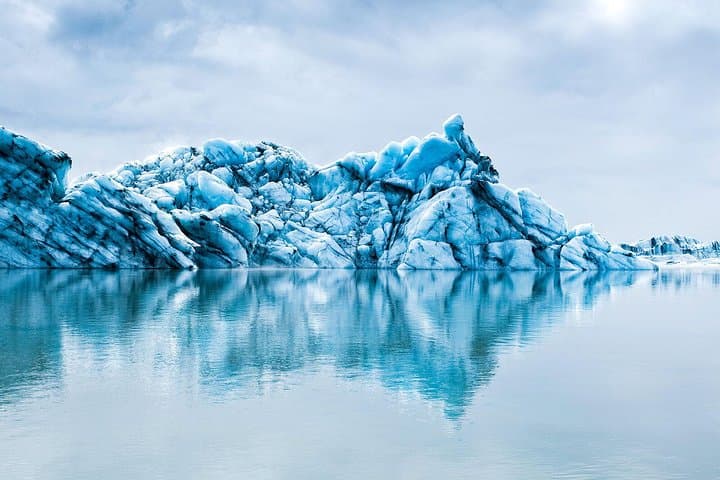
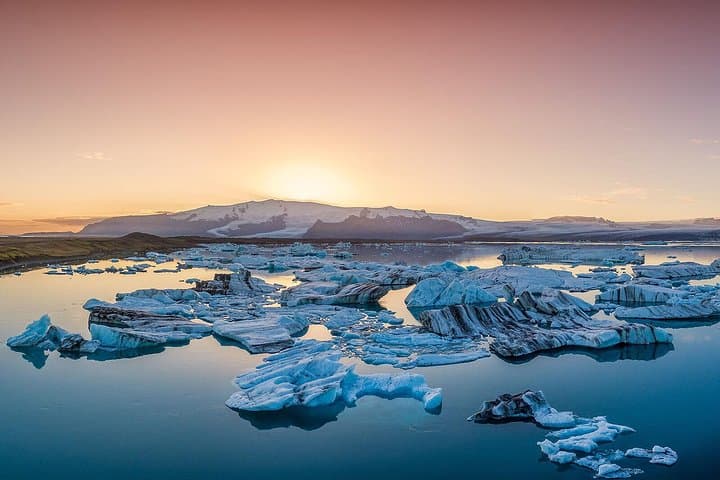
Geology wrote this route in slow, patient strokes. Vatnajökull, Europe’s largest ice cap, feeds outlet glaciers like Breiðamerkurjökull; its calvings form Jökulsárlón, a lagoon where blue and white icebergs drift, grind, and occasionally flip. Skeiðarársandur — an outwash plain of volcanic silt and braided glacial rivers — feels lunar until a turf-roofed farmhouse appears, a reminder that humans have learned to live here alongside restless glaciers and temperamental volcanoes like Öræfajökull and the recent memory of Eyjafjallajökull’s 2010 eruption.
Culture on the South Coast is pragmatic and quietly proud. Small fishing villages and remote farms have long supplied Iceland’s coastal towns, and places like Höfn are where lobster and langoustine become a regional specialty. The natural landmarks — Seljalandsfoss and Skógafoss — have been waypoints for travelers and shepherds for centuries, and modern tour routes thread past these markers with reverence.
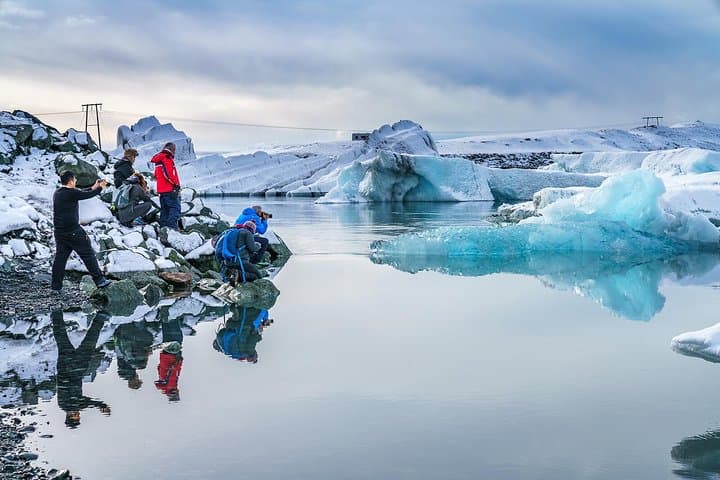
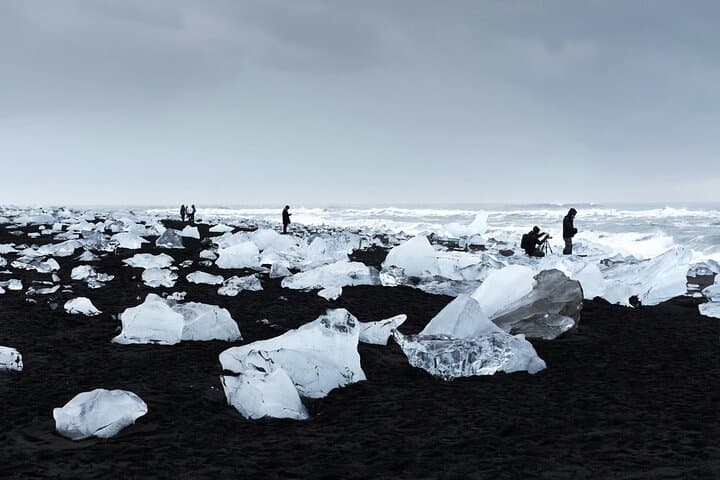
At Jökulsárlón you walk to the water’s edge and watch bergy bits the size of houses drift like slow contestants in a silent race. On the adjacent Diamond Beach, fragments of ice glitter against black sand; waves nudge them, daring them back out to sea. Stay well back from the surf — rogue waves are real and strong.
Practical guidance: this is a long, roughly 14-hour day. Dress in layers and prioritize wind- and waterproof outerwear. Footwear should handle wet sand and icy boardwalks. Boat excursions on the lagoon are popular but are not included with the basic day tour — book in advance if you want to zoom among the ice. Stops for food and restrooms are scheduled, but bring snacks and a refillable bottle; on-board Wi‑Fi covers some stretches, but cell service can be spotty.
Timing matters for photography: sunrise and late afternoon cast the best light on ice and waterfalls. If you go in winter, shorter daylight and the chance of aurora add drama but also require flexible routing when roads close.
This route asks for patience and rewards it with raw scale: glaciers that move by inches and coastlines that feel older than maps. It’s the kind of day where the landscape keeps rearranging itself so you keep looking.
easy.
14 hours.
Basic fitness for short walks and stairs; must handle a long day on a coach with several short hikes
The tour is approximately 14 hours round-trip from Reykjavík, including scheduled stops for sightseeing, restrooms and a dinner break.
No — boat excursions among the icebergs are optional and not included in the base price; they must be booked separately.
Yes; the tour is rated suitable for all fitness levels, though it involves a long day with several short walks and stairs at some viewpoints.
Aurora sightings depend on clear, dark skies and solar activity; winter tours offer the best chance but nothing is guaranteed.
Yes — the itinerary includes scheduled restroom and dinner breaks; bring snacks and water for the bus sections.
Windproof and waterproof outer layers, warm mid-layers, and sturdy shoes are recommended year-round due to changing coastal weather.
The South Coast has long been a seam between farming settlements and the Atlantic; glaciers and volcanoes have shaped settlement patterns and local livelihoods for centuries.
Vatnajökull National Park protects large tracts of the glacier and surrounding landscapes — stick to paths, avoid trampling fragile mosses, and pack out all waste.
Gray Line Iceland operates guided outdoor trips and adventures with an emphasis on safety, stewardship, and memorable experiences.
The bus slips out of Reykjavík before dawn, headlights painting the low clouds as the city shrinks behind you. By mid-morning the hum of the highway is replaced by a different language: the wind, the distant thunder of waterfalls, and the steady presence of ice on the horizon. The South Coast is a theater of extremes — black sand plains that seem to absorb daylight, waterfalls that carve curtains through cliffs, and a glacier the size of a small country spilling slow-motion sculptures into a lagoon.
The bus slips out of Reykjavík before dawn, headlights painting the low clouds as the city shrinks behind you. By mid-morning the hum of the highway is replaced by a different language: the wind, the distant thunder of waterfalls, and the steady presence of ice on the horizon. The South Coast is a theater of extremes — black sand plains that seem to absorb daylight, waterfalls that carve curtains through cliffs, and a glacier the size of a small country spilling slow-motion sculptures into a lagoon.
Geology wrote this route in slow, patient strokes. Vatnajökull, Europe’s largest ice cap, feeds outlet glaciers like Breiðamerkurjökull; its calvings form Jökulsárlón, a lagoon where blue and white icebergs drift, grind, and occasionally flip. Skeiðarársandur — an outwash plain of volcanic silt and braided glacial rivers — feels lunar until a turf-roofed farmhouse appears, a reminder that humans have learned to live here alongside restless glaciers and temperamental volcanoes like Öræfajökull and the recent memory of Eyjafjallajökull’s 2010 eruption.
Culture on the South Coast is pragmatic and quietly proud. Small fishing villages and remote farms have long supplied Iceland’s coastal towns, and places like Höfn are where lobster and langoustine become a regional specialty. The natural landmarks — Seljalandsfoss and Skógafoss — have been waypoints for travelers and shepherds for centuries, and modern tour routes thread past these markers with reverence.
At Jökulsárlón you walk to the water’s edge and watch bergy bits the size of houses drift like slow contestants in a silent race. On the adjacent Diamond Beach, fragments of ice glitter against black sand; waves nudge them, daring them back out to sea. Stay well back from the surf — rogue waves are real and strong.
Practical guidance: this is a long, roughly 14-hour day. Dress in layers and prioritize wind- and waterproof outerwear. Footwear should handle wet sand and icy boardwalks. Boat excursions on the lagoon are popular but are not included with the basic day tour — book in advance if you want to zoom among the ice. Stops for food and restrooms are scheduled, but bring snacks and a refillable bottle; on-board Wi‑Fi covers some stretches, but cell service can be spotty.
Timing matters for photography: sunrise and late afternoon cast the best light on ice and waterfalls. If you go in winter, shorter daylight and the chance of aurora add drama but also require flexible routing when roads close.
This route asks for patience and rewards it with raw scale: glaciers that move by inches and coastlines that feel older than maps. It’s the kind of day where the landscape keeps rearranging itself so you keep looking.