THE ADVENTURE COLLECTIVE® · Independent discovery and booking for outdoor travel

Drive Iceland’s dramatic south coast in two days: waterfalls that you can walk behind, basalt-cliff beaches, and a glacier lagoon studded with icebergs. This guided overnight tour from Reykjavík combines geology, accessible glacier experiences, and time to photograph Jökulsárlón’s ‘diamond’ beach.
Drive Iceland’s dramatic south coast in two days: waterfalls that you can walk behind, basalt-cliff beaches, and a glacier lagoon studded with icebergs. This guided overnight tour from Reykjavík combines geology, accessible glacier experiences, and time to photograph Jökulsárlón’s ‘diamond’ beach.
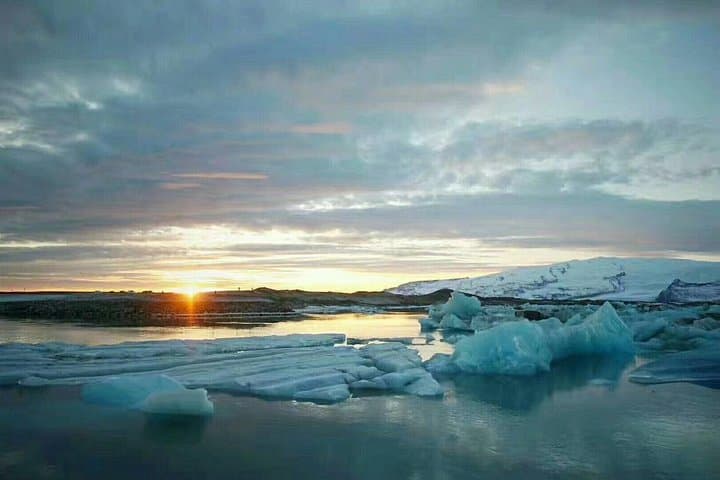
You step off the coach into a wind that smells of sea and ice, the horizon a low, moving skyline of blue-white bergs. On day one the road peels away from Reykjavík across lava fields and river-carved plains toward towering falls and a coastline that demands attention.
Verified experiences and guided adventures in the surrounding area.
Operated by Marina Travel · Reykjavík, Southern Region
You step off the coach into a wind that smells of sea and ice, the horizon a low, moving skyline of blue-white bergs. On day one the road peels away from Reykjavík across lava fields and river-carved plains toward towering falls and a coastline that demands attention.
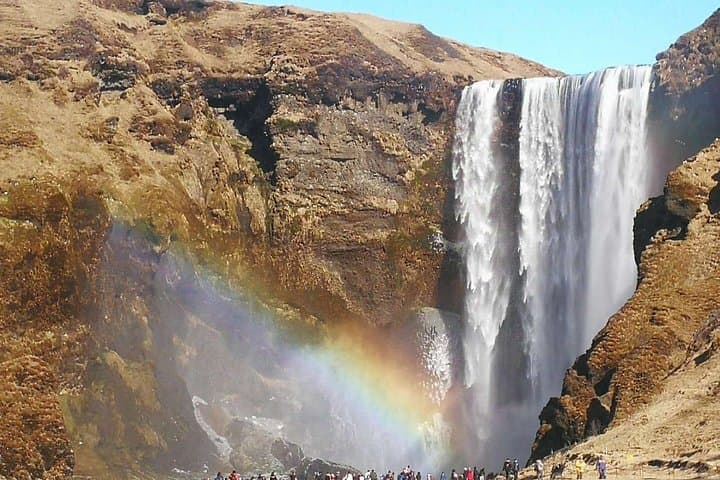
The eastward run follows Iceland’s southern spine: Seljalandsfoss, where a trail lets you circle behind a 20–30 m curtain of water, and Skógafoss, plunging roughly 60 m into a spray-filled bowl. Reynisfjara’s black sand and hexagonal basalt columns tell a volcanic story—sea stacks called Reynisdrangar rise like ancient ships offshore. Geologically this coast records repeated eruptions and glacial sculpting; Jökulsárlón itself is a 200 m-deep glacial lagoon fed by Breiðamerkurjökull, an outlet of Vatnajökull.
Culturally, small fishing communities and sagas shadow the route; modern tourism threads through long-standing livelihoods. Local guides translate the geology into plain language and point out seals loafing on ice floes.
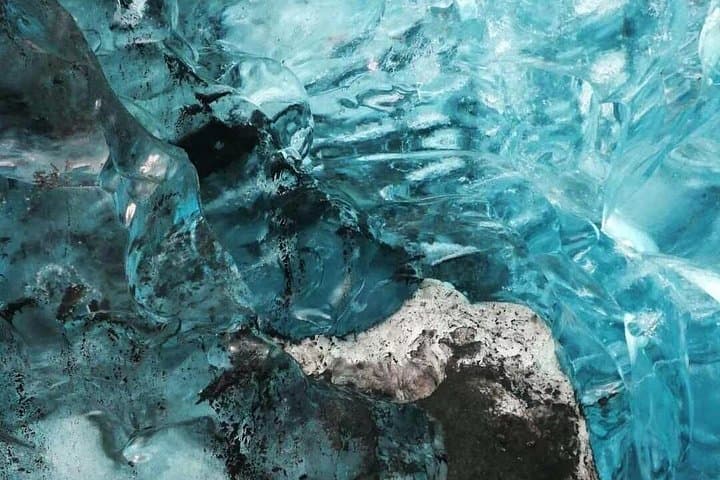
Practical guidance: plan for long drives (Reykjavík to Jökulsárlón is roughly 380 km one-way for roundtrip planning), dress in layered, waterproof clothing, and bring sturdy boots with ankle support. Summer offers amphibian boat rides between icebergs; winter swaps the boat for shoreline walks and potential ice-cave options. The operator includes hotel lodging, breakfast, and options for glacier hiking or ice-caving—confirm seasonal availability in advance. Keep charged batteries warm, pack windproof gloves, and allow extra time for photo stops—this coast rewards patience.
moderate.
2 days.
Suitable for most fitness levels; involves short walks (30–60 minutes) over uneven, sometimes slippery terrain and long periods sitting on the coach.
Most departures pick up and drop off in Reykjavík at designated bus stops or hotels; exact pickup time is confirmed after booking.
Options are offered seasonally and are weather-dependent; if ice caving is unsafe it may be replaced and you may receive a partial refund for differences.
Expect long driving legs—Reykjavík to Jökulsárlón is roughly 380 km one-way—broken by frequent stops at waterfalls, beaches, and viewpoints.
Minimum age is typically 8 years; activities like glacier hikes may have additional age or fitness requirements—check with the operator when booking.
This stretch of coast has long been shaped by volcanic eruptions and glaciers; settlements here have relied on fishing and adapted to harsh coastal weather for centuries.
Visitors are asked to stay on marked paths, avoid stepping on fragile moss and black-sand dunes, and follow guide instructions near ice to reduce environmental impact and safety risks.
Marina Travel operates guided outdoor trips and adventures with an emphasis on safety, stewardship, and memorable experiences.

You step off the coach into a wind that smells of sea and ice, the horizon a low, moving skyline of blue-white bergs. On day one the road peels away from Reykjavík across lava fields and river-carved plains toward towering falls and a coastline that demands attention.
You step off the coach into a wind that smells of sea and ice, the horizon a low, moving skyline of blue-white bergs. On day one the road peels away from Reykjavík across lava fields and river-carved plains toward towering falls and a coastline that demands attention.
The eastward run follows Iceland’s southern spine: Seljalandsfoss, where a trail lets you circle behind a 20–30 m curtain of water, and Skógafoss, plunging roughly 60 m into a spray-filled bowl. Reynisfjara’s black sand and hexagonal basalt columns tell a volcanic story—sea stacks called Reynisdrangar rise like ancient ships offshore. Geologically this coast records repeated eruptions and glacial sculpting; Jökulsárlón itself is a 200 m-deep glacial lagoon fed by Breiðamerkurjökull, an outlet of Vatnajökull.
Culturally, small fishing communities and sagas shadow the route; modern tourism threads through long-standing livelihoods. Local guides translate the geology into plain language and point out seals loafing on ice floes.
Practical guidance: plan for long drives (Reykjavík to Jökulsárlón is roughly 380 km one-way for roundtrip planning), dress in layered, waterproof clothing, and bring sturdy boots with ankle support. Summer offers amphibian boat rides between icebergs; winter swaps the boat for shoreline walks and potential ice-cave options. The operator includes hotel lodging, breakfast, and options for glacier hiking or ice-caving—confirm seasonal availability in advance. Keep charged batteries warm, pack windproof gloves, and allow extra time for photo stops—this coast rewards patience.