THE ADVENTURE COLLECTIVE® · Independent discovery and booking for outdoor travel

A full-day small-group tour from Reykjavik that hits Seljalandsfoss, Skógafoss, Sólheimajökull and Reynisfjara. Expect dramatic geology, accessible short walks, and strict beach and glacier safety rules.
A full-day small-group tour from Reykjavik that hits Seljalandsfoss, Skógafoss, Sólheimajökull and Reynisfjara. Expect dramatic geology, accessible short walks, and strict beach and glacier safety rules.
The van eases onto the Ring Road and the coastline opens: waterfalls drop like curtains, glaciers push forward in slow, blue-white advance, and the Atlantic hammers black gravel beaches. Travelers move from the misty veil of Seljalandsfoss to the raw, thunderous face of Skógafoss, then stare at Solheimajökull’s ash-flecked ice before the basalt columns of Reynisfjara frame the horizon.
Verified experiences and guided adventures in the surrounding area.
Operated by Iceland Odyssey · Reykjavik, Southern Region
The van eases onto the Ring Road and the coastline opens: waterfalls drop like curtains, glaciers push forward in slow, blue-white advance, and the Atlantic hammers black gravel beaches. Travelers move from the misty veil of Seljalandsfoss to the raw, thunderous face of Skógafoss, then stare at Solheimajökull’s ash-flecked ice before the basalt columns of Reynisfjara frame the horizon.
This stretch of Iceland’s south coast is written by fire and ice — volcanic eruptions laid the lava that cooled into the hexagonal basalt at Reynisfjara, while repeated glaciations carved the U-shaped valleys and left outlet glaciers such as Solheimajökull. Local farms and fishing villages historically relied on coastal access and sheep grazing; today small towns like Vík serve as logistic hubs for visitors.
Expect short walks on gravel paths and viewing platforms rather than technical climbs. Wildlife is concentrated at sea cliffs and in summer you may see puffins riding the wind; the black sand itself is fragile, the result of millennia of eroded lava and ash.
Practical guidance: bring a waterproof outer layer and sturdy boots — coastal spray and glacier runoff make surfaces slippery. Timing matters: low wind and clear light transform views and minimize rogue sneaker waves at Reynisfjara. The full loop is an all-day outing (around 10–11 hours) from Reykjavik with guided commentary and included admissions; most stops give 20–50 minutes for photography and short walks. Respect signage: stay behind safety lines, avoid walking on unstable black sand near the water, and follow your guide on glacier approaches.
easy.
10–11 hours.
Moderate endurance for an all-day tour; no technical fitness required but expect several short walks and standing.
The itinerary visits Sólheimajökull for viewing and light walking on moraine; technical glacier walks with crampons require a separate guided activity and extra equipment.
Most departures are from Reykjavik with hotel pickup; the tour returns to Reykjavik at the end of the day (approx. 10–11 hours total).
Yes — a path leads behind Seljalandsfoss but it is wet and uneven; waterproof clothing and careful footing are recommended, and access can be restricted in icy conditions.
No — puffins nest seasonally (mainly late spring to summer) and sightings depend on timing, weather and bird behavior; summer months give the best chance.
The south coast reflects repeated volcanic activity overlain by Pleistocene glaciation; many coastal features are products of lava flows meeting sea and later sculpting by ice.
Reynisfjara’s black sand and bird colonies are fragile — stick to marked paths, obey closures during nesting season, and do not remove sand or geological features.
Iceland Odyssey operates guided outdoor trips and adventures with an emphasis on safety, stewardship, and memorable experiences.
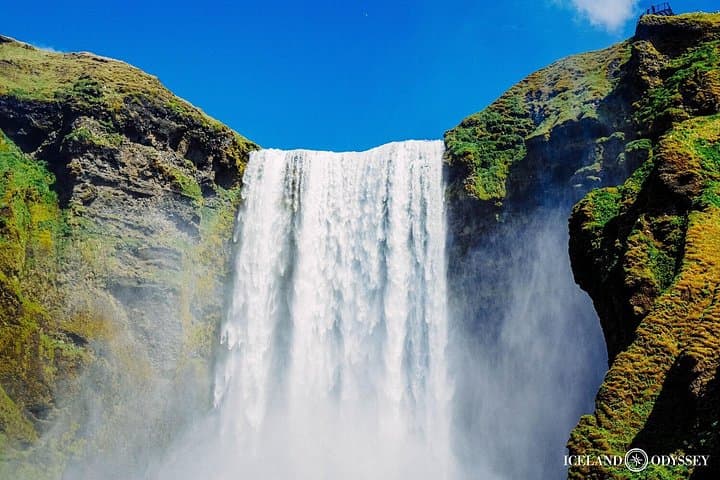

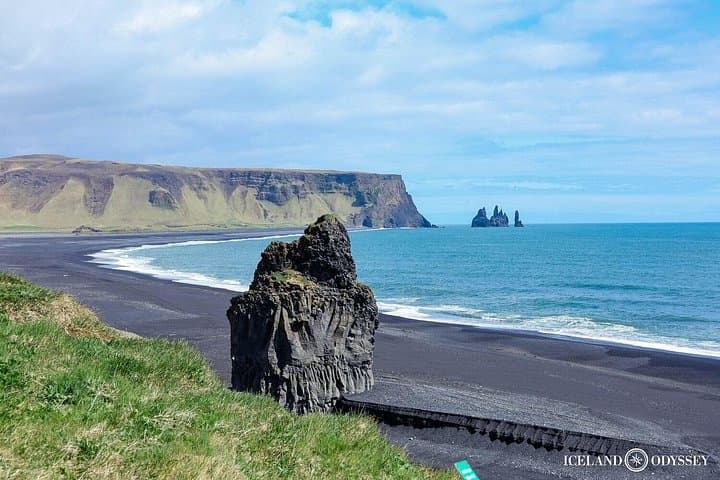
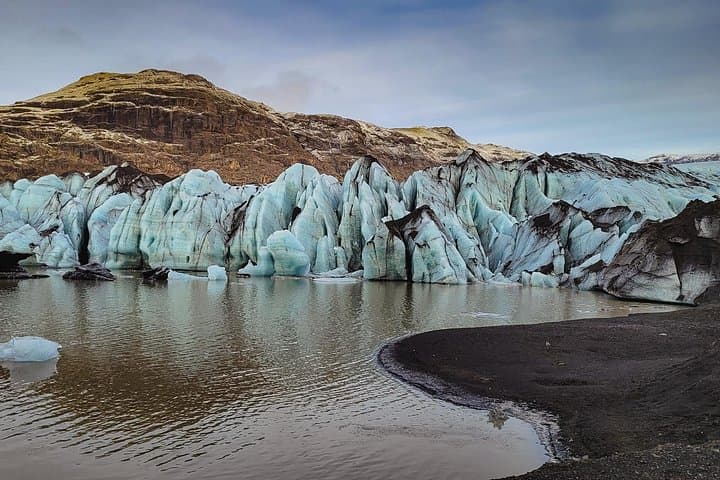
The van eases onto the Ring Road and the coastline opens: waterfalls drop like curtains, glaciers push forward in slow, blue-white advance, and the Atlantic hammers black gravel beaches. Travelers move from the misty veil of Seljalandsfoss to the raw, thunderous face of Skógafoss, then stare at Solheimajökull’s ash-flecked ice before the basalt columns of Reynisfjara frame the horizon.
The van eases onto the Ring Road and the coastline opens: waterfalls drop like curtains, glaciers push forward in slow, blue-white advance, and the Atlantic hammers black gravel beaches. Travelers move from the misty veil of Seljalandsfoss to the raw, thunderous face of Skógafoss, then stare at Solheimajökull’s ash-flecked ice before the basalt columns of Reynisfjara frame the horizon.
This stretch of Iceland’s south coast is written by fire and ice — volcanic eruptions laid the lava that cooled into the hexagonal basalt at Reynisfjara, while repeated glaciations carved the U-shaped valleys and left outlet glaciers such as Solheimajökull. Local farms and fishing villages historically relied on coastal access and sheep grazing; today small towns like Vík serve as logistic hubs for visitors.
Expect short walks on gravel paths and viewing platforms rather than technical climbs. Wildlife is concentrated at sea cliffs and in summer you may see puffins riding the wind; the black sand itself is fragile, the result of millennia of eroded lava and ash.
Practical guidance: bring a waterproof outer layer and sturdy boots — coastal spray and glacier runoff make surfaces slippery. Timing matters: low wind and clear light transform views and minimize rogue sneaker waves at Reynisfjara. The full loop is an all-day outing (around 10–11 hours) from Reykjavik with guided commentary and included admissions; most stops give 20–50 minutes for photography and short walks. Respect signage: stay behind safety lines, avoid walking on unstable black sand near the water, and follow your guide on glacier approaches.