THE ADVENTURE COLLECTIVE® · Independent discovery and booking for outdoor travel

Spend a full day tracing Iceland’s dramatic South Coast from Reykjavík — walk behind Seljalandsfoss, climb above Skógafoss, and stand on Reynisfjara’s black sand while watching basalt columns and seabirds. This guided 12‑hour tour pairs convenience with the raw geology of the Atlantic edge.
Spend a full day tracing Iceland’s dramatic South Coast from Reykjavík — walk behind Seljalandsfoss, climb above Skógafoss, and stand on Reynisfjara’s black sand while watching basalt columns and seabirds. This guided 12‑hour tour pairs convenience with the raw geology of the Atlantic edge.
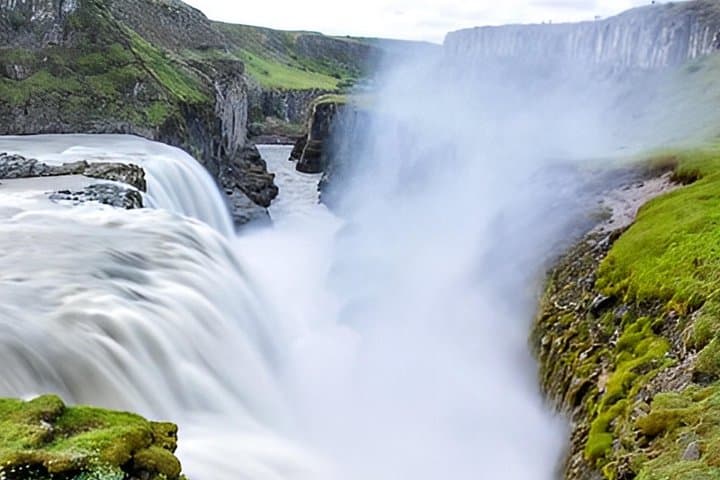
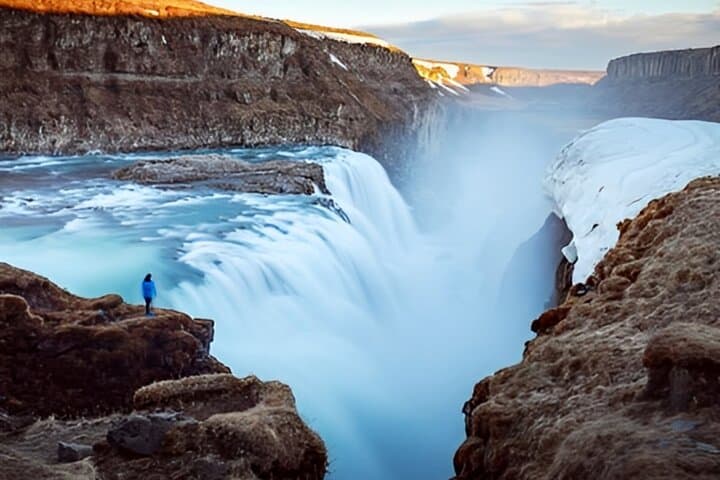
A wind-cold morning out of Reykjavík quickly becomes a day of extremes: waterfalls that throw spray in wide sheets, a black sand shore where Atlantic waves push and dare you, and cliffs braided with sea birds that wheel and cry.
Verified experiences and guided adventures in the surrounding area.
Operated by Iceland Taxi Reykjavik · Reykjavík, Capital Region
A wind-cold morning out of Reykjavík quickly becomes a day of extremes: waterfalls that throw spray in wide sheets, a black sand shore where Atlantic waves push and dare you, and cliffs braided with sea birds that wheel and cry.
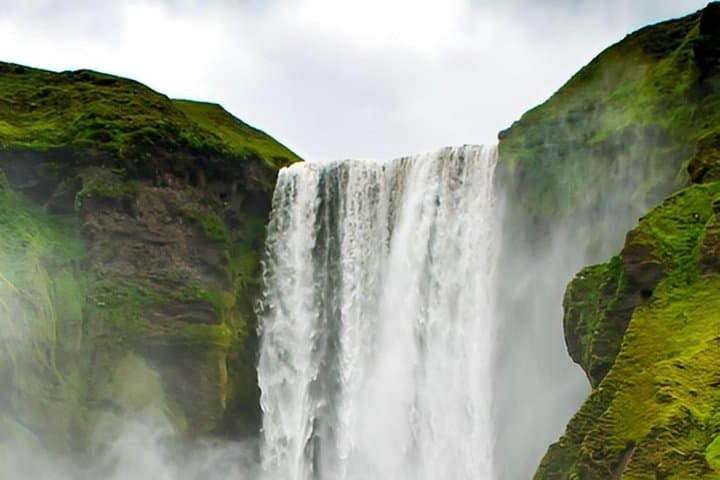
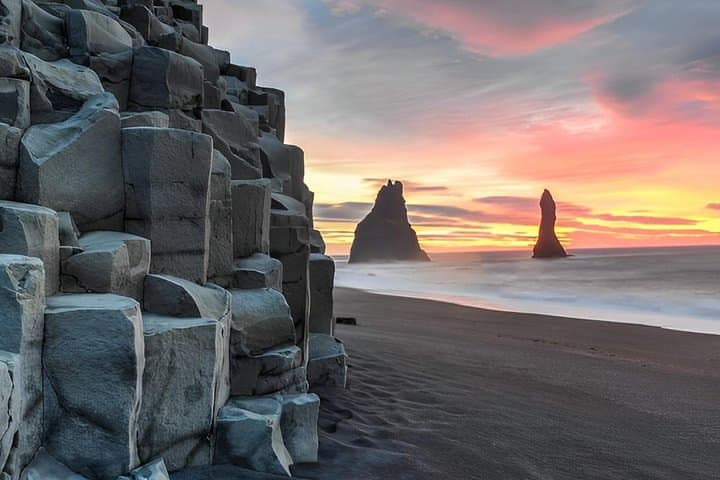
The South Coast route follows old glacier and volcanic columns carved over millennia — lava cooled into hexagonal basalt at Reynisfjara, rivers gouging soft ash into thin ribbons of canyon and falls. Seljalandsfoss allows a rare behind-the-curtain view of falling water; Skógafoss announces itself with a thunderous drop and a staircase climb to a sweeping overlook. Dyrhólaey and Reynisfjara expose geological contrasts: sea stacks rising from dark sand, a lighthouse standing watch, and in summer, puffins perforating the cliff edges.
This is both a cultural and geological classroom: Viking-age settlement patterns and modern Icelandic reliance on roads that thread around glaciers and volcanoes explain why the coast feels both wild and accessible. Locals treat these sites with respect — paths can be fragile and waves are unpredictably strong.
Practically, expect a long day (roughly 12 hours supplied by the tour), substantial walking on uneven, often wet terrain, and frequent camera stops. Dress in waterproof layers, sturdy soles, and bring wind protection; plan for rapidly changing weather. If visiting in winter, ask about road and visibility conditions and travel with a guide. Lean into the rhythm of the coast: watch the surf, time your waterfall photos for softer light, and leave nothing behind but footprints that the tide will quickly erase.
moderate.
12 hours.
Moderate fitness: able to walk on wet, uneven terrain and climb stairs several times during the day.
This is a roughly 12-hour guided tour including transport, airport transfer options on some bookings, stop visits to Seljalandsfoss, Skógafoss, Reynisfjara and Dyrhólaey, and luggage assistance as noted by the operator.
Yes — a path leads behind the curtain of water, but it’s wet and slippery; wear waterproof clothing and take care on the rocks.
Puffins nest on coastal cliffs like Dyrhólaey primarily in summer (May–August); sightings are season-dependent and not guaranteed.
The tour operates year-round but winter brings shorter daylight, possible road restrictions, and icy conditions; ask the operator about road safety and vehicle type during winter months.
The South Coast reflects Iceland’s volcanic and glacial history; settlement after the Viking age followed sheltered coves and meltwater rivers that defined arable patches.
Sand and moss are fragile — stay on marked trails, avoid trampling vegetation, and heed signs about dangerous surf to minimize impact and safety risks.
Iceland Taxi Reykjavik operates guided outdoor trips and adventures with an emphasis on safety, stewardship, and memorable experiences.
A wind-cold morning out of Reykjavík quickly becomes a day of extremes: waterfalls that throw spray in wide sheets, a black sand shore where Atlantic waves push and dare you, and cliffs braided with sea birds that wheel and cry.
A wind-cold morning out of Reykjavík quickly becomes a day of extremes: waterfalls that throw spray in wide sheets, a black sand shore where Atlantic waves push and dare you, and cliffs braided with sea birds that wheel and cry.
The South Coast route follows old glacier and volcanic columns carved over millennia — lava cooled into hexagonal basalt at Reynisfjara, rivers gouging soft ash into thin ribbons of canyon and falls. Seljalandsfoss allows a rare behind-the-curtain view of falling water; Skógafoss announces itself with a thunderous drop and a staircase climb to a sweeping overlook. Dyrhólaey and Reynisfjara expose geological contrasts: sea stacks rising from dark sand, a lighthouse standing watch, and in summer, puffins perforating the cliff edges.
This is both a cultural and geological classroom: Viking-age settlement patterns and modern Icelandic reliance on roads that thread around glaciers and volcanoes explain why the coast feels both wild and accessible. Locals treat these sites with respect — paths can be fragile and waves are unpredictably strong.
Practically, expect a long day (roughly 12 hours supplied by the tour), substantial walking on uneven, often wet terrain, and frequent camera stops. Dress in waterproof layers, sturdy soles, and bring wind protection; plan for rapidly changing weather. If visiting in winter, ask about road and visibility conditions and travel with a guide. Lean into the rhythm of the coast: watch the surf, time your waterfall photos for softer light, and leave nothing behind but footprints that the tide will quickly erase.