THE ADVENTURE COLLECTIVE® · Independent discovery and booking for outdoor travel

Experience a single, full‑day circuit of Iceland’s south coast: walk behind Seljalandsfoss, stand beneath Skógafoss, stroll the black sands of Reynisfjara, then strap on crampons for a guided hike across Sólheimajökull. Expect dramatic geology, changing weather, and an active day of exploration.
Experience a single, full‑day circuit of Iceland’s south coast: walk behind Seljalandsfoss, stand beneath Skógafoss, stroll the black sands of Reynisfjara, then strap on crampons for a guided hike across Sólheimajökull. Expect dramatic geology, changing weather, and an active day of exploration.
A cold wind from the Atlantic meets warm spray as the minibus pulls off the Ring Road and into Iceland’s south coast. Walkers step out beneath a low sky that releases sudden shafts of sun; basalt columns loom like stacked teeth at the black sand shore, while a glacier ahead crunches and sighs as if alive.
Verified experiences and guided adventures in the surrounding area.
Operated by Glaciers and Waterfalls · Reykjavík, Capital Region
A cold wind from the Atlantic meets warm spray as the minibus pulls off the Ring Road and into Iceland’s south coast. Walkers step out beneath a low sky that releases sudden shafts of sun; basalt columns loom like stacked teeth at the black sand shore, while a glacier ahead crunches and sighs as if alive.
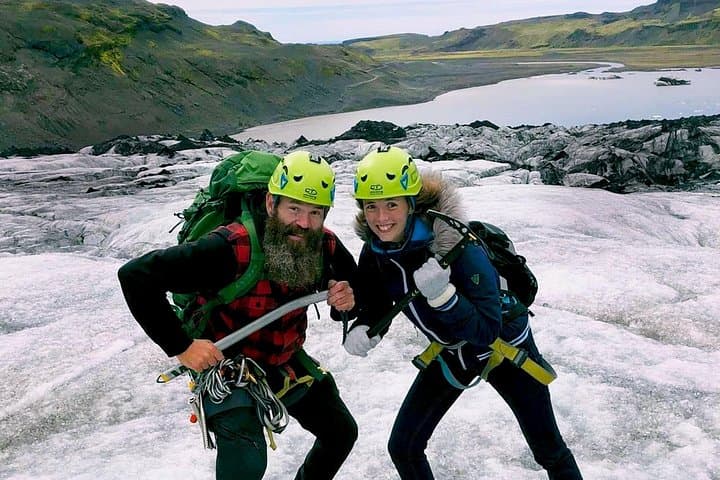
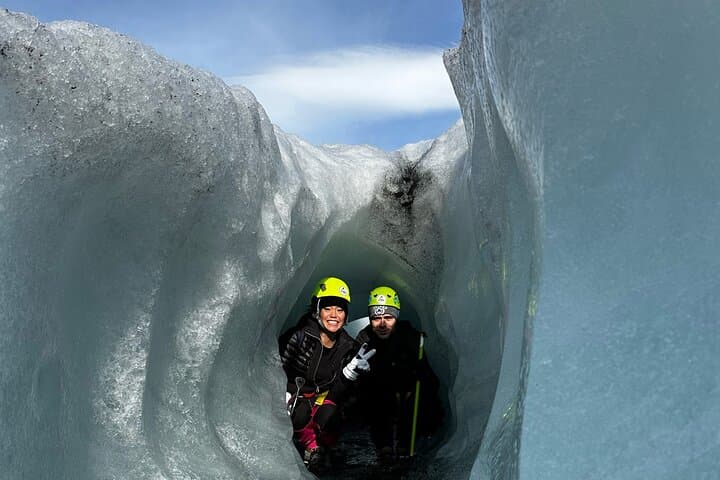
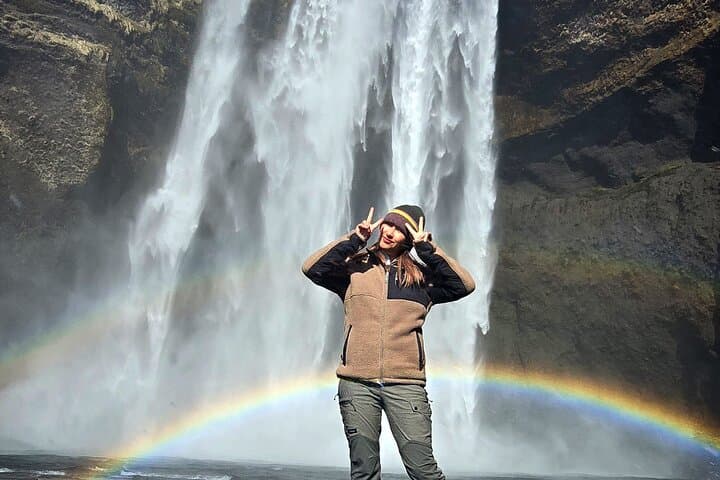
This full‑day route threads three of Iceland’s most photogenic features: Seljalandsfoss, where a fringe of water lets you pass behind the curtain; Skógafoss, a broad, thunderous drop with a steep stairway to views above; and Reynisfjara, the black‑sand beach whose Reynisdrangar sea stacks rise from surf. The main event is Sólheimajökull, an outlet of Mýrdalsjökull carved by volcanic ice flow and sculpted by meltwater channels. The glacier’s surface reveals moraine bands, moulins and crevasses—features born of fire under ice and centuries of movement.
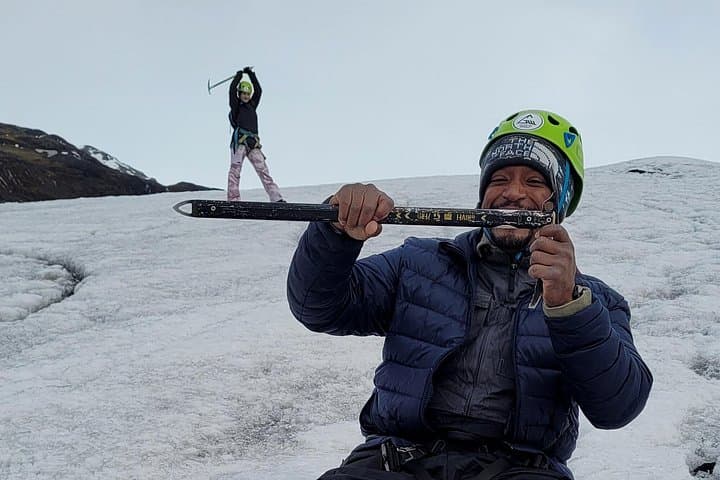
Culturally the south coast reflects fisherfolk settlements and sagas tied to the landscape; geologically it’s where recent volcanism under Mýrdalsjökull has shaped the terrain visitors walk today. Local guides lead the ice section, fitting crampons and helmets, teaching step‑throughs and crevasse awareness before heading onto the blue ice.
Practical guide: plan an 11‑hour day from Reykjavík, dress in layers, wear sturdy waterproof boots (crampons provided), and bring extra batteries for cameras. Expect variable weather, periods of wet footing at waterfalls, and firm, uneven glacier ice. Follow guide instructions on the glacier, keep distance from surf at Reynisfjara, and allow time for photo stops—this is a long, active day that rewards steady pacing and respect for Iceland’s changing conditions.
moderate.
10–11 hours.
Good general fitness for moderate hikes, stairs and sustained walking; comfortable with uneven terrain and some steep approaches.
No; guides provide all technical instruction and equipment (crampons, harness, helmet, ice axe) and teach basic ice‑walking before stepping onto the glacier.
The tour accepts children from age 10, but participants should be able to walk on uneven terrain and follow guide directions.
The glacier segment is a guided, short to moderate hike across stable ice fields—typically 1–2 hours on the ice depending on conditions and group pace.
Yes; operators often cancel in poor weather or unsafe glacier conditions—bookings usually offer full refund if canceled 24 hours prior per policy.
The south coast has been shaped by repeated volcanic eruptions beneath glaciers like Mýrdalsjökull (home to the Katla system) and by centuries of coastal fishing communities referenced in Icelandic sagas.
Glaciers here are retreating due to climate change; stay on marked routes, travel with qualified guides, and carry out all trash to minimize impact.
Glaciers and Waterfalls operates guided outdoor trips and adventures with an emphasis on safety, stewardship, and memorable experiences.
A cold wind from the Atlantic meets warm spray as the minibus pulls off the Ring Road and into Iceland’s south coast. Walkers step out beneath a low sky that releases sudden shafts of sun; basalt columns loom like stacked teeth at the black sand shore, while a glacier ahead crunches and sighs as if alive.
A cold wind from the Atlantic meets warm spray as the minibus pulls off the Ring Road and into Iceland’s south coast. Walkers step out beneath a low sky that releases sudden shafts of sun; basalt columns loom like stacked teeth at the black sand shore, while a glacier ahead crunches and sighs as if alive.
This full‑day route threads three of Iceland’s most photogenic features: Seljalandsfoss, where a fringe of water lets you pass behind the curtain; Skógafoss, a broad, thunderous drop with a steep stairway to views above; and Reynisfjara, the black‑sand beach whose Reynisdrangar sea stacks rise from surf. The main event is Sólheimajökull, an outlet of Mýrdalsjökull carved by volcanic ice flow and sculpted by meltwater channels. The glacier’s surface reveals moraine bands, moulins and crevasses—features born of fire under ice and centuries of movement.
Culturally the south coast reflects fisherfolk settlements and sagas tied to the landscape; geologically it’s where recent volcanism under Mýrdalsjökull has shaped the terrain visitors walk today. Local guides lead the ice section, fitting crampons and helmets, teaching step‑throughs and crevasse awareness before heading onto the blue ice.
Practical guide: plan an 11‑hour day from Reykjavík, dress in layers, wear sturdy waterproof boots (crampons provided), and bring extra batteries for cameras. Expect variable weather, periods of wet footing at waterfalls, and firm, uneven glacier ice. Follow guide instructions on the glacier, keep distance from surf at Reynisfjara, and allow time for photo stops—this is a long, active day that rewards steady pacing and respect for Iceland’s changing conditions.