THE ADVENTURE COLLECTIVE® · Independent discovery and booking for outdoor travel

A single, full-day circuit that links Oslob’s whale sharks with the sandbar at Sumilon and the canyon routes that end at Kawasan Falls. Expect an early start, guided transfers between sites, and active water-and-rock terrain requiring moderate fitness.
A single, full-day circuit that links Oslob’s whale sharks with the sandbar at Sumilon and the canyon routes that end at Kawasan Falls. Expect an early start, guided transfers between sites, and active water-and-rock terrain requiring moderate fitness.
Early light on the southern Cebu coast finds a day stretched between sea and stone: small banca boats rocking at Oslob’s pier, a bleached ribbon of sand at Sumilon, and the green squeeze of a limestone canyon that funnels toward Kawasan Falls. Travelers begin with the steady, surreal rhythm of whale sharks feeding near the surface—huge, slow-moving shapes that invite quiet observation—then move inland to waterfalls and the canyon system where water carves steps, pools, and jump points.
Verified experiences and guided adventures in the surrounding area.
Operated by Cebu Tours · Cebu City, Cebu
Early light on the southern Cebu coast finds a day stretched between sea and stone: small banca boats rocking at Oslob’s pier, a bleached ribbon of sand at Sumilon, and the green squeeze of a limestone canyon that funnels toward Kawasan Falls. Travelers begin with the steady, surreal rhythm of whale sharks feeding near the surface—huge, slow-moving shapes that invite quiet observation—then move inland to waterfalls and the canyon system where water carves steps, pools, and jump points.
This route stitches together local geography and human history: fishing villages on the shoreline, coral and reef systems offshore, and the karst limestone that eroded into the canyons of Badian. Sumilon’s sandbar shifts with tides and currents, while Tumalog and Kawasan reflect the island’s volcanic and coral geology—water working rock into the features visitors swim and scramble through. Culturally these places remain connected to small-town life; visitor numbers have altered routines, and many communities run conservation and clean-up drives on scheduled days.
Practical guidance: this is a long, active day—expect early pickup, multiple transfers, and several short activities rather than a single long excursion. Bring a waterproof bag, reef-safe sunscreen, and footwear you can swim in and hike in. Respect whale-shark rules: no touching, no flash photography, and stay with your guide. For canyoneering, follow the guide’s line, use provided helmet and life jacket, and know that some jumps are optional; fitness and basic swimming comfort are required. Timing your trip for calmer seas and lower tides makes the sandbar and snorkeling clearer, and supporting operators who follow local conservation practices helps preserve these sites.
moderate.
10–12 hours.
Good general fitness with the ability to swim short distances, climb over uneven rock, and manage stair descents/ascent.
Operators provide life jackets and guides; visitors should remain calm, avoid touching the animals, and follow the guide’s instructions—basic swimming ability is recommended.
Most operators require moderate fitness and no serious heart or spinal conditions; children and seniors may be restricted depending on route sections—check with the provider for age limits.
Bring a small waterproof camera or action-cam and secure it with a lanyard; larger cameras are at risk from water and drops.
Typical itineraries allot short windows—30–120 minutes—per site, with canyoneering and Kawasan receiving the longest block; expect a full-day schedule with transfers.
South Cebu’s coastal towns have long been fishing and trading communities; the karst and coral geology shaped both the shoreline reefs and the inland canyons that feed Kawasan Falls.
Oslob’s whale-shark encounters are subject to ongoing regulation—choose operators that follow no-touch rules, no feeding policies where enforced, and support local clean-up efforts to reduce visitor impact.
Cebu Tours operates guided outdoor trips and adventures with an emphasis on safety, stewardship, and memorable experiences.
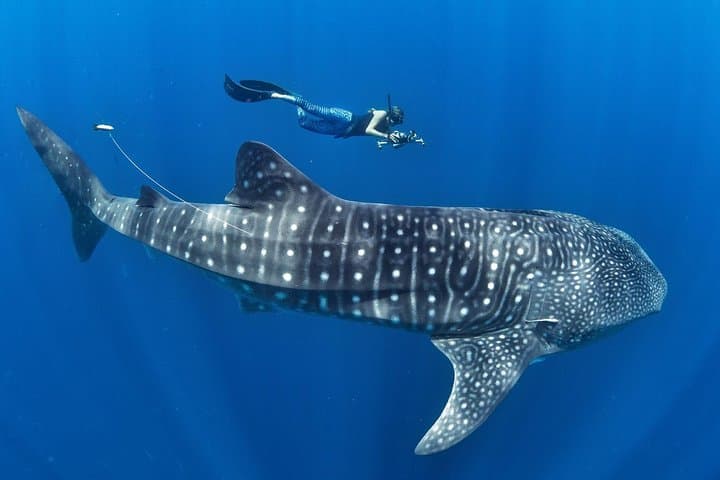
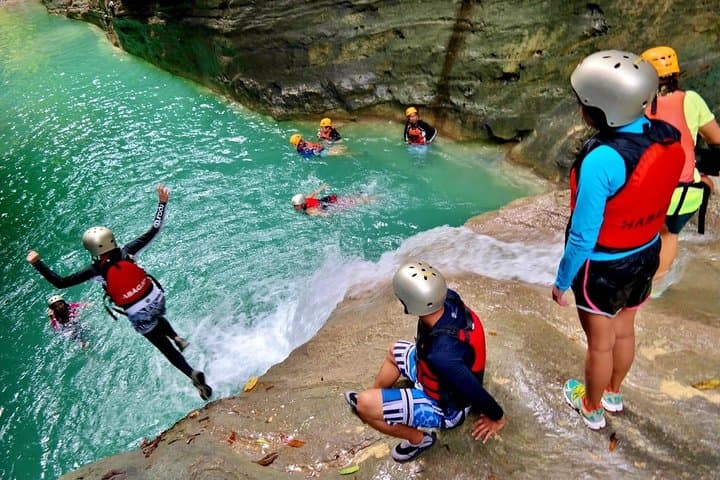
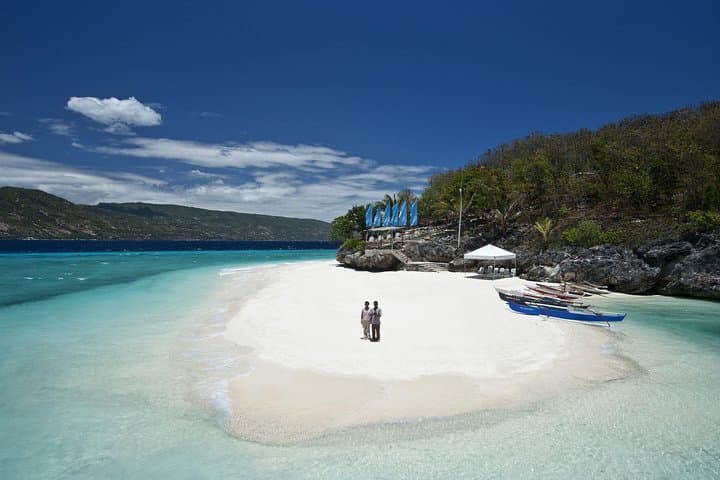
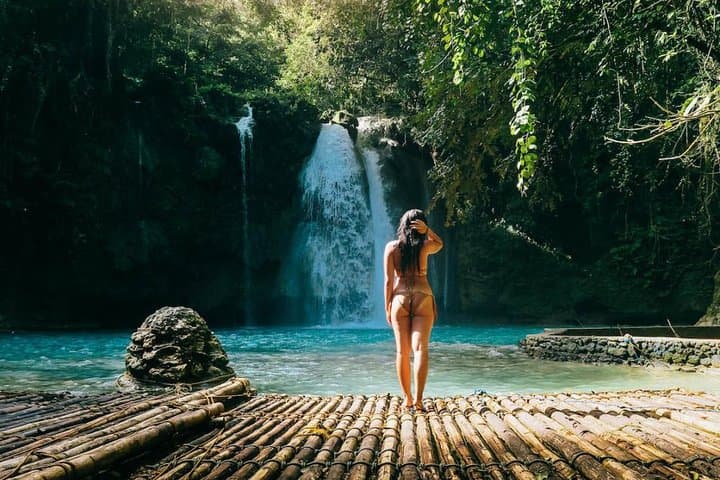
Early light on the southern Cebu coast finds a day stretched between sea and stone: small banca boats rocking at Oslob’s pier, a bleached ribbon of sand at Sumilon, and the green squeeze of a limestone canyon that funnels toward Kawasan Falls. Travelers begin with the steady, surreal rhythm of whale sharks feeding near the surface—huge, slow-moving shapes that invite quiet observation—then move inland to waterfalls and the canyon system where water carves steps, pools, and jump points.
Early light on the southern Cebu coast finds a day stretched between sea and stone: small banca boats rocking at Oslob’s pier, a bleached ribbon of sand at Sumilon, and the green squeeze of a limestone canyon that funnels toward Kawasan Falls. Travelers begin with the steady, surreal rhythm of whale sharks feeding near the surface—huge, slow-moving shapes that invite quiet observation—then move inland to waterfalls and the canyon system where water carves steps, pools, and jump points.
This route stitches together local geography and human history: fishing villages on the shoreline, coral and reef systems offshore, and the karst limestone that eroded into the canyons of Badian. Sumilon’s sandbar shifts with tides and currents, while Tumalog and Kawasan reflect the island’s volcanic and coral geology—water working rock into the features visitors swim and scramble through. Culturally these places remain connected to small-town life; visitor numbers have altered routines, and many communities run conservation and clean-up drives on scheduled days.
Practical guidance: this is a long, active day—expect early pickup, multiple transfers, and several short activities rather than a single long excursion. Bring a waterproof bag, reef-safe sunscreen, and footwear you can swim in and hike in. Respect whale-shark rules: no touching, no flash photography, and stay with your guide. For canyoneering, follow the guide’s line, use provided helmet and life jacket, and know that some jumps are optional; fitness and basic swimming comfort are required. Timing your trip for calmer seas and lower tides makes the sandbar and snorkeling clearer, and supporting operators who follow local conservation practices helps preserve these sites.