THE ADVENTURE COLLECTIVE® · Independent discovery and booking for outdoor travel

A fast-paced, first-class 13-day tour through South Brazil’s wildest landscapes — from Bonito’s crystal rivers and fragile caves to Pantanal safaris, Iguazu’s falls and Rio’s coastline. Expect daily transfers, snorkeling, boat rides and cultural stops.
A fast-paced, first-class 13-day tour through South Brazil’s wildest landscapes — from Bonito’s crystal rivers and fragile caves to Pantanal safaris, Iguazu’s falls and Rio’s coastline. Expect daily transfers, snorkeling, boat rides and cultural stops.
You arrive in the dry heat of Bonito and the air tastes like limestone and river spray. The first morning puts you at the edge of caves whose blue lakes seem to hold light; later you glide over glass-clear rivers that dare you to keep your head above water. Over thirteen days the route pushes from inland karst and crystal streams to the flooded plains of the Pantanal, then east through coastal islands and finally the peaks and beaches of Rio de Janeiro.
Verified experiences and guided adventures in the surrounding area.
Operated by CharlieTheTraveler · Bonito, Mato Grosso do Sul
You arrive in the dry heat of Bonito and the air tastes like limestone and river spray. The first morning puts you at the edge of caves whose blue lakes seem to hold light; later you glide over glass-clear rivers that dare you to keep your head above water. Over thirteen days the route pushes from inland karst and crystal streams to the flooded plains of the Pantanal, then east through coastal islands and finally the peaks and beaches of Rio de Janeiro.
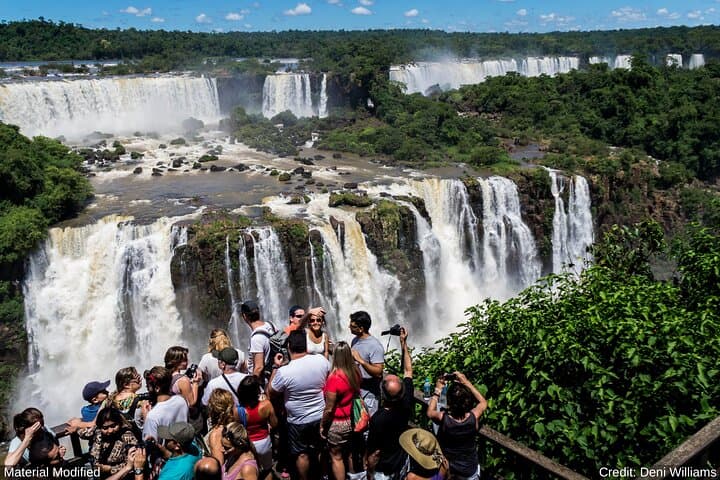
Geology and history are constant companions: Bonito’s calcareous caves and sinkholes formed over millennia from limestone dissolution, while Ouro Preto’s baroque streets recall the gold rush that reshaped Minas Gerais in the 18th century. The Pantanal is the world’s largest tropical wetland, where seasonal floods sculpt habitat and concentrate wildlife; Iguazu’s waterfalls carve basalt and sandstone into sheer, thunderous curtains shared by Brazil and Argentina. Cultural notes arrive as samba and coastal seafood—rio-style cuisine blends African, Portuguese and indigenous influences across markets and beach bars.
Practical guidance: expect daily transfers, short flights and mixed-terrain walks—stone steps in colonial towns, sandy beaches, muddy wetland trails. Carry a fitted snorkel or trust provided gear for Rio da Prata and Ilha Grande swims; bring a lightweight rain jacket for summer downpours and good walking shoes for cobblestones in Ouro Preto. Wildlife sightings (jaguar, giant anteater, caiman) are more likely in the dry season; waterfalls run fiercest in the rains. Pace your trip: early starts maximize wildlife viewing and cooler hiking windows.
moderate.
13 days.
Moderate — able to walk several hours, handle stairs and short hikes, and cope with transfers between cities
The itinerary features multiple long-distance transfers; confirm with the operator which domestic flights or airport transfers are included and which require separate booking.
Travelers should have a moderate fitness level: expect several hours of walking, stairs in historic towns, boat embarkations, and occasional hikes up to a few kilometers.
The dry season (June–September) concentrates animals around shrinking water sources, making wildlife viewing more reliable than during the flooded summer months.
The tour supplies snorkeling gear for river and island days, but many travelers bring a personal mask/snorkel for fit and comfort.
Ouro Preto and Mariana are baroque-era mining towns founded in the 1690s; their churches and stone streets reflect colonial wealth from gold extraction.
Caves and river systems are protected due to fragile calcareous formations and endemic fish; the Pantanal faces seasonal pressures from fires and tourism—stick to trails and use local guides to minimize impact.
CharlieTheTraveler operates guided outdoor trips and adventures with an emphasis on safety, stewardship, and memorable experiences.

You arrive in the dry heat of Bonito and the air tastes like limestone and river spray. The first morning puts you at the edge of caves whose blue lakes seem to hold light; later you glide over glass-clear rivers that dare you to keep your head above water. Over thirteen days the route pushes from inland karst and crystal streams to the flooded plains of the Pantanal, then east through coastal islands and finally the peaks and beaches of Rio de Janeiro.
You arrive in the dry heat of Bonito and the air tastes like limestone and river spray. The first morning puts you at the edge of caves whose blue lakes seem to hold light; later you glide over glass-clear rivers that dare you to keep your head above water. Over thirteen days the route pushes from inland karst and crystal streams to the flooded plains of the Pantanal, then east through coastal islands and finally the peaks and beaches of Rio de Janeiro.
Geology and history are constant companions: Bonito’s calcareous caves and sinkholes formed over millennia from limestone dissolution, while Ouro Preto’s baroque streets recall the gold rush that reshaped Minas Gerais in the 18th century. The Pantanal is the world’s largest tropical wetland, where seasonal floods sculpt habitat and concentrate wildlife; Iguazu’s waterfalls carve basalt and sandstone into sheer, thunderous curtains shared by Brazil and Argentina. Cultural notes arrive as samba and coastal seafood—rio-style cuisine blends African, Portuguese and indigenous influences across markets and beach bars.
Practical guidance: expect daily transfers, short flights and mixed-terrain walks—stone steps in colonial towns, sandy beaches, muddy wetland trails. Carry a fitted snorkel or trust provided gear for Rio da Prata and Ilha Grande swims; bring a lightweight rain jacket for summer downpours and good walking shoes for cobblestones in Ouro Preto. Wildlife sightings (jaguar, giant anteater, caiman) are more likely in the dry season; waterfalls run fiercest in the rains. Pace your trip: early starts maximize wildlife viewing and cooler hiking windows.