THE ADVENTURE COLLECTIVE® · Independent discovery and booking for outdoor travel

Drive the south shore of Bonaire, visit 19th-century slave huts and salt flats, then slip off the sand for a guided shore snorkel inside Bonaire Marine Park. This relaxed land-and-sea combo suits newcomers and experienced snorkelers alike.
Drive the south shore of Bonaire, visit 19th-century slave huts and salt flats, then slip off the sand for a guided shore snorkel inside Bonaire Marine Park. This relaxed land-and-sea combo suits newcomers and experienced snorkelers alike.
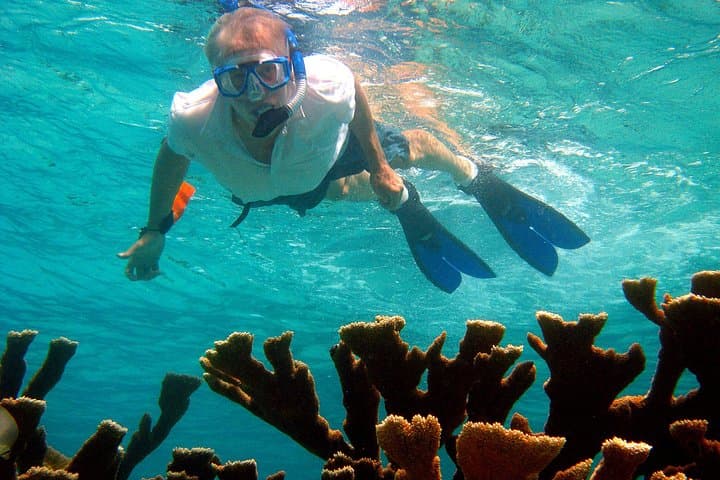
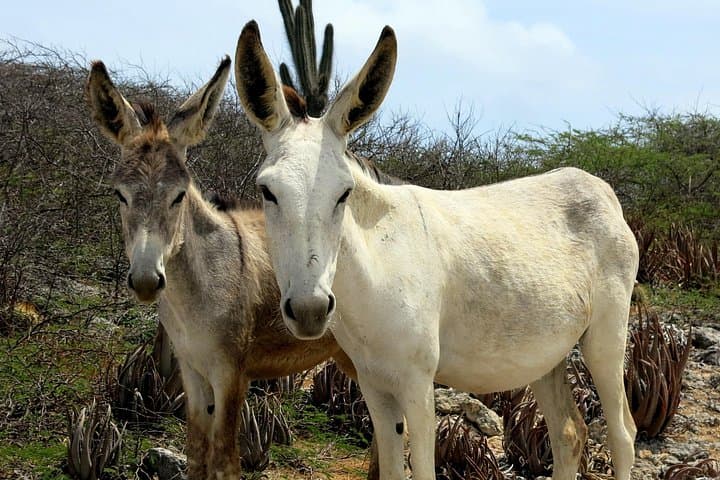
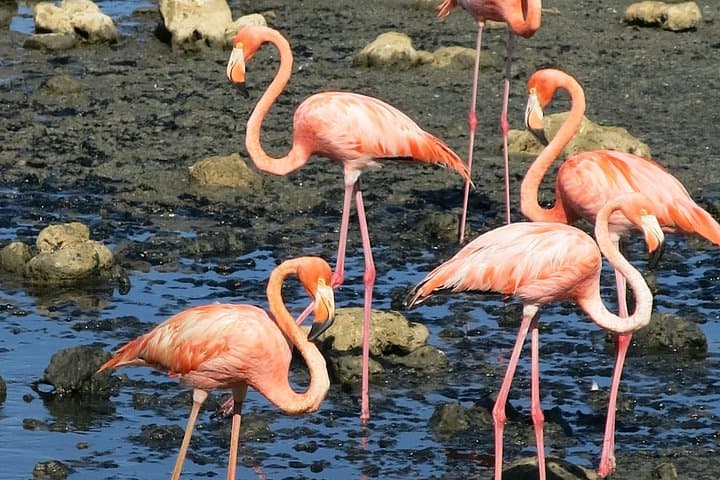
You start on a quiet coastal road where salt pans flash like mirrors and a line of low stone huts stares out to the sea — the south of Bonaire moves at its own pace. Your private vehicle hums along a shoreline of scrub and cactus; flamingos pause at the edge of shallow lagoons and hardy donkeys regard you with island curiosity. The guide talks about the salt industry as the ocean pulls at the coastline, then leads you to a shore-entry snorkel spot inside Bonaire Marine Park.
Verified experiences and guided adventures in the surrounding area.
Operated by H2O Visions Bonaire · Kralendijk, Bonaire
You start on a quiet coastal road where salt pans flash like mirrors and a line of low stone huts stares out to the sea — the south of Bonaire moves at its own pace. Your private vehicle hums along a shoreline of scrub and cactus; flamingos pause at the edge of shallow lagoons and hardy donkeys regard you with island curiosity. The guide talks about the salt industry as the ocean pulls at the coastline, then leads you to a shore-entry snorkel spot inside Bonaire Marine Park.
The south shore’s geology is flat coral limestone with exposed wind-swept reef terraces; the historic slave huts nearby date to around 1850 and are mute reminders of the island’s salt economy. Culturally, Bonaire is shaped by Dutch administration and Afro-Caribbean heritage — expect Dutch place names, Creole rhythms, and strong local stewardship of marine resources.
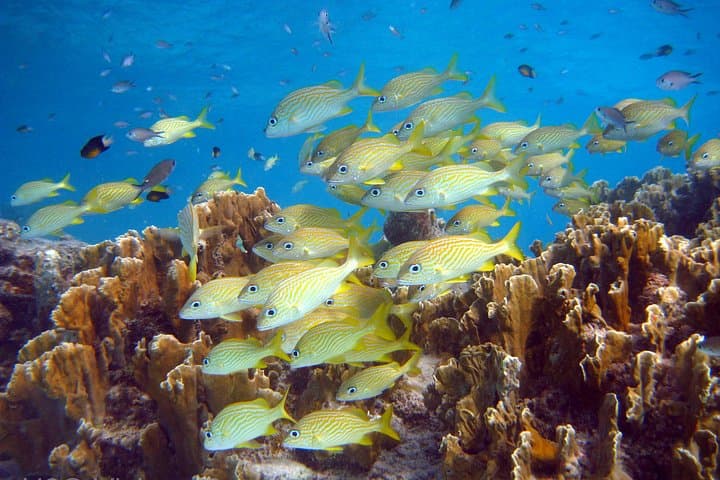
On the water, currents and swell decide your site; guides pick spots that match skill level from calm shallow flats to more interesting reef edges where parrotfish and angelfish patrol coral heads. All snorkel gear and flotation are included, and a brief lesson is available for novices.
Practical guidance: bring reef-safe sunscreen, a hat, and a reusable water bottle; expect sand or rocky shore entries so water shoes are useful. Plan the tour in the morning for calmer seas and better light, and tell your guide about any mobility or medical limits when booking. The experience balances easy coastal driving, short interpretive stops, and roughly one hour of guided snorkeling — approachable for most travelers who can swim a short distance with buoyancy aids.
easy.
3 hours.
Suitable for people in average physical condition; swimmers should be comfortable in shallow open water for about an hour with flotation available.
No; the tour accommodates beginners with flotation devices and optional lessons, and guides select sites appropriate to your comfort level.
The tour uses a private vehicle to explore the south shore; meeting/transfer details are arranged at booking — cruise passengers are directed to the tourism booth at the pier.
Yes; guides can adjust start times or emphasize specific interests (wildlife viewing, history) if you request changes ahead of time.
Expect flamingos on the salt flats, feral donkeys on roadsides, and a variety of reef fish while snorkeling; sightings vary by season and site.
The salt industry shaped Bonaire’s southern coast in the 19th century; the small stone slave huts near the pans date from about 1850 and relate to labor for salt harvests.
Bonaire Marine Park protects nearshore reefs with strict mooring and fishing rules; the island also enforces limits on single-use plastics to reduce marine debris.
H2O Visions Bonaire operates guided outdoor trips and adventures with an emphasis on safety, stewardship, and memorable experiences.
You start on a quiet coastal road where salt pans flash like mirrors and a line of low stone huts stares out to the sea — the south of Bonaire moves at its own pace. Your private vehicle hums along a shoreline of scrub and cactus; flamingos pause at the edge of shallow lagoons and hardy donkeys regard you with island curiosity. The guide talks about the salt industry as the ocean pulls at the coastline, then leads you to a shore-entry snorkel spot inside Bonaire Marine Park.
You start on a quiet coastal road where salt pans flash like mirrors and a line of low stone huts stares out to the sea — the south of Bonaire moves at its own pace. Your private vehicle hums along a shoreline of scrub and cactus; flamingos pause at the edge of shallow lagoons and hardy donkeys regard you with island curiosity. The guide talks about the salt industry as the ocean pulls at the coastline, then leads you to a shore-entry snorkel spot inside Bonaire Marine Park.
The south shore’s geology is flat coral limestone with exposed wind-swept reef terraces; the historic slave huts nearby date to around 1850 and are mute reminders of the island’s salt economy. Culturally, Bonaire is shaped by Dutch administration and Afro-Caribbean heritage — expect Dutch place names, Creole rhythms, and strong local stewardship of marine resources.
On the water, currents and swell decide your site; guides pick spots that match skill level from calm shallow flats to more interesting reef edges where parrotfish and angelfish patrol coral heads. All snorkel gear and flotation are included, and a brief lesson is available for novices.
Practical guidance: bring reef-safe sunscreen, a hat, and a reusable water bottle; expect sand or rocky shore entries so water shoes are useful. Plan the tour in the morning for calmer seas and better light, and tell your guide about any mobility or medical limits when booking. The experience balances easy coastal driving, short interpretive stops, and roughly one hour of guided snorkeling — approachable for most travelers who can swim a short distance with buoyancy aids.