THE ADVENTURE COLLECTIVE® · Independent discovery and booking for outdoor travel

Drive south from Agadir into wind-shaped dunes and wetlands on a three-hour 4x4 safari that focuses on wildlife viewing, coastal geology and the park’s conservation story. Expect museum stops, photo-friendly pullouts and close encounters with shorebirds and gazelles.
Drive south from Agadir into wind-shaped dunes and wetlands on a three-hour 4x4 safari that focuses on wildlife viewing, coastal geology and the park’s conservation story. Expect museum stops, photo-friendly pullouts and close encounters with shorebirds and gazelles.
The convoy peels away from Agadir at first light and the Atlantic breeze finds the windows of the 4x4. Within thirty minutes the city’s high-rise silhouette falls behind and the landscape shifts to low dunes, scrubby steppe and a broad estuary where waders assemble like punctuation on the tide.
Verified experiences and guided adventures in the surrounding area.
Operated by Globale Explore Tours · Agadir, Souss-Massa
The convoy peels away from Agadir at first light and the Atlantic breeze finds the windows of the 4x4. Within thirty minutes the city’s high-rise silhouette falls behind and the landscape shifts to low dunes, scrubby steppe and a broad estuary where waders assemble like punctuation on the tide.
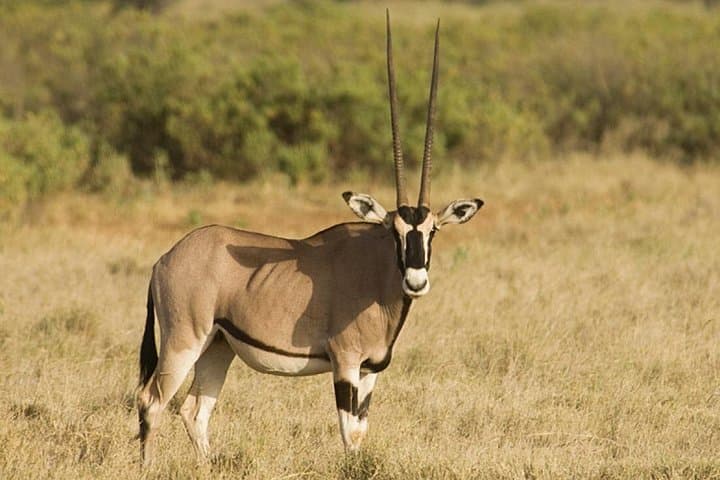
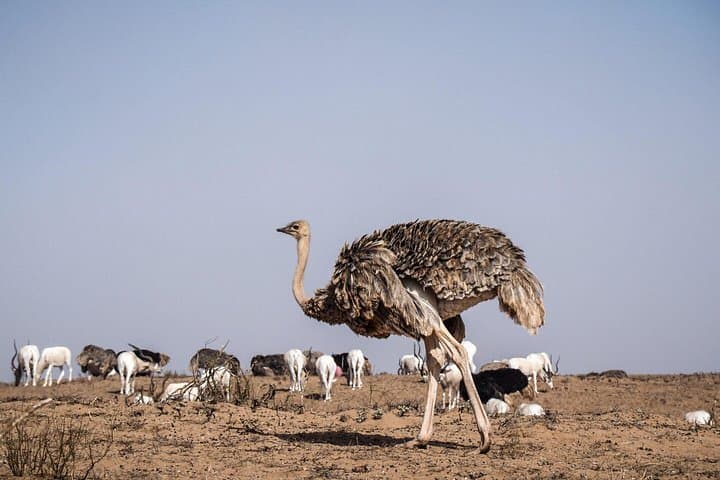
Souss-Massa National Park protects roughly 338 square kilometers of coastal plain, cliffs and wetlands—an ecological corridor shaped by river sediments and coastal dunes. Established to conserve vital bird habitat, the park’s museum contextualizes local conservation efforts and the rare Northern Bald Ibis that returns here each year. Human history in the area mixes small fishing hamlets, seasonal grazing and the slow work of reintroducing large grazers to former ranges.
The guided 4x4 experience combines short interpretive walks, photo stops and drives over sandy tracks. Guides pause at viewpoints over the Massa estuary, at museum displays, and where gazelles or raptors move through the grass. The day is sensory: sand under tires, salt on the breeze, and the sudden stillness when a flock rises.
Practical edge: the loop is about three hours with multiple short stops; wear closed-toe shoes for dune and salt flat sidesteps, carry water and sun protection, and bring binoculars or a zoom lens. Morning and late afternoon deliver the best light and wildlife activity; keep a respectful distance from nesting birds and avoid off-track driving. The outing is suitable for travelers of most fitness levels and provides a compact, accessible window into Morocco’s Atlantic coast ecology.
easy.
3 hours.
Light fitness needed: mostly vehicle-based with short, easy walks and standing periods for viewing
The excursion is approximately three hours and includes round-trip hotel pick-up from Agadir, entrance to the park museum, guided 4x4 transport and a lunch as described by the operator.
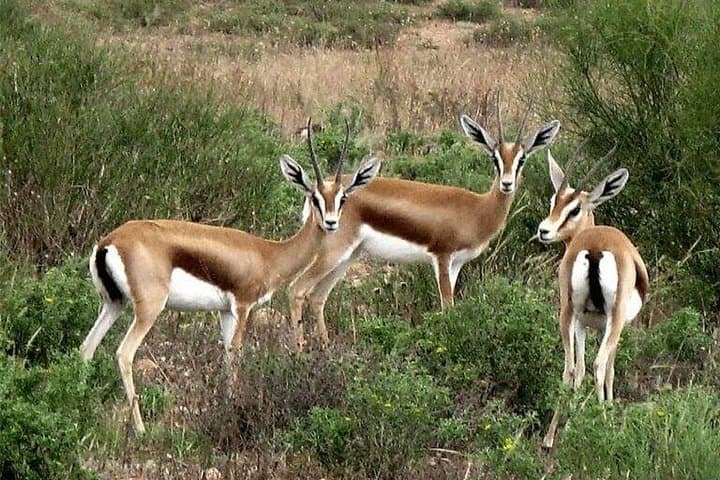
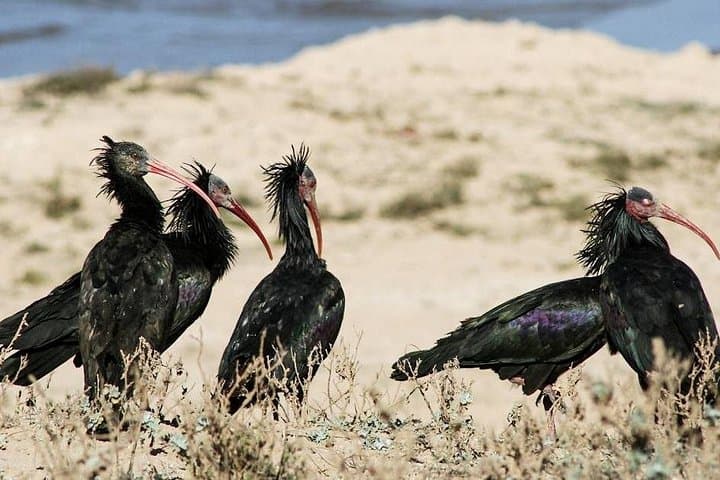
Common sightings include shorebirds at the estuary, the endangered Northern Bald Ibis in protected sectors, and small grazing mammals such as dorcas gazelle in open areas—sightings can’t be guaranteed.
The tour is described as physically easy with short walks; children and those with limited mobility can usually participate, but check pickup accessibility and notify the operator of any special needs.
Morning and late afternoon offer cooler temperatures and higher wildlife activity—midday is hotter and can be less active for animals.
The park was designated to protect coastal wetlands and seabird colonies and includes cultural traces of fishing and seasonal pastoral use dating back centuries.
Souss-Massa is a focus for reintroduction and habitat protection—visitors should follow stay-on-track guidance to avoid trampling sensitive dune vegetation and disturbing nesting birds.
Globale Explore Tours operates guided outdoor trips and adventures with an emphasis on safety, stewardship, and memorable experiences.
The convoy peels away from Agadir at first light and the Atlantic breeze finds the windows of the 4x4. Within thirty minutes the city’s high-rise silhouette falls behind and the landscape shifts to low dunes, scrubby steppe and a broad estuary where waders assemble like punctuation on the tide.
The convoy peels away from Agadir at first light and the Atlantic breeze finds the windows of the 4x4. Within thirty minutes the city’s high-rise silhouette falls behind and the landscape shifts to low dunes, scrubby steppe and a broad estuary where waders assemble like punctuation on the tide.
Souss-Massa National Park protects roughly 338 square kilometers of coastal plain, cliffs and wetlands—an ecological corridor shaped by river sediments and coastal dunes. Established to conserve vital bird habitat, the park’s museum contextualizes local conservation efforts and the rare Northern Bald Ibis that returns here each year. Human history in the area mixes small fishing hamlets, seasonal grazing and the slow work of reintroducing large grazers to former ranges.
The guided 4x4 experience combines short interpretive walks, photo stops and drives over sandy tracks. Guides pause at viewpoints over the Massa estuary, at museum displays, and where gazelles or raptors move through the grass. The day is sensory: sand under tires, salt on the breeze, and the sudden stillness when a flock rises.
Practical edge: the loop is about three hours with multiple short stops; wear closed-toe shoes for dune and salt flat sidesteps, carry water and sun protection, and bring binoculars or a zoom lens. Morning and late afternoon deliver the best light and wildlife activity; keep a respectful distance from nesting birds and avoid off-track driving. The outing is suitable for travelers of most fitness levels and provides a compact, accessible window into Morocco’s Atlantic coast ecology.