THE ADVENTURE COLLECTIVE® · Independent discovery and booking for outdoor travel

Wander Souq Waqif’s alleys to touch the living history of Doha—falcon handlers, spice merchants, and family-run workshops. This two-hour private tour pairs cultural context with practical tips for bargaining and timing your visit.
Wander Souq Waqif’s alleys to touch the living history of Doha—falcon handlers, spice merchants, and family-run workshops. This two-hour private tour pairs cultural context with practical tips for bargaining and timing your visit.
You step off the shaded arcade into a street where the air tastes of toasted cumin and cardamom; the market hums with bargaining voices and the soft rustle of woven textiles. Narrow alleys open into courtyards framed by low, ochre buildings—this is Souq Waqif, Doha’s revived trading quarter where modern Qatar brushes shoulders with Bedouin habit and craft.
Verified experiences and guided adventures in the surrounding area.
Operated by Oman Day Tours · Doha, Doha
You step off the shaded arcade into a street where the air tastes of toasted cumin and cardamom; the market hums with bargaining voices and the soft rustle of woven textiles. Narrow alleys open into courtyards framed by low, ochre buildings—this is Souq Waqif, Doha’s revived trading quarter where modern Qatar brushes shoulders with Bedouin habit and craft.
The souq sits on the edge of the old town, rebuilt in the early 2000s on a site long used by Bedouin traders. Geologically, the peninsula is flat and limestone-rich; the architecture uses simple, low-rise volumes and wind towers to keep the streets cool. Culture here is tangible—falconry remains a living tradition and you’ll find dedicated falcon stalls, alongside spice merchants and tailors making kanduras and abayas.
Expect a mix of sensory experiences: the metallic chime of jewelry, the bitter perfume of Arabic coffee, the deliberate cadence of bargaining. It’s a walking tour of commerce and craft rather than a strenuous trek—plan for standing and slow strolling rather than long hikes.
Practical guidance: go in the late afternoon or after sunset when temperatures fall and lamps throw warmer light across the market; carry small-denomination Qatari riyals for quick purchases; wear closed-toe shoes for cobbled and uneven alleys; hydrate—bottled water is typically provided but bring a refillable bottle for the day. Respect local customs: dress modestly and ask before photographing people and falcons. A private guide will unpack history and point out less obvious shops where artisans still work by hand.
easy.
2 hours.
Light walking and standing; suitable for most fitness levels
Yes—Souq Waqif has been made largely wheelchair accessible with smoother routes and ramps, though some alleys remain narrow; the tour info lists accessibility.
Handling is sometimes allowed under staff supervision; ask the handler and follow their guidance—do not attempt to pick up birds unassisted.
No—admission and bottled water are included, but purchases, food, and souvenirs are at your own expense.
Yes—this private tour typically includes hotel pickup and drop-off within Doha; confirm your pickup point when booking.
Souq Waqif occupies the historic trading area where Bedouin and coastal merchants exchanged goods; the market was restored in the early 2000s to preserve traditional architecture.
Local authorities promote preservation through regulated restoration and waste management; visitors are encouraged to reduce plastic use and respect artisan workshops.
Oman Day Tours operates guided outdoor trips and adventures with an emphasis on safety, stewardship, and memorable experiences.
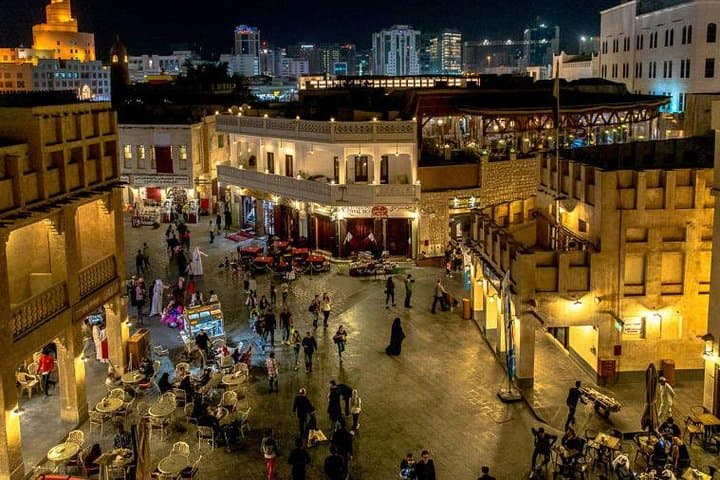
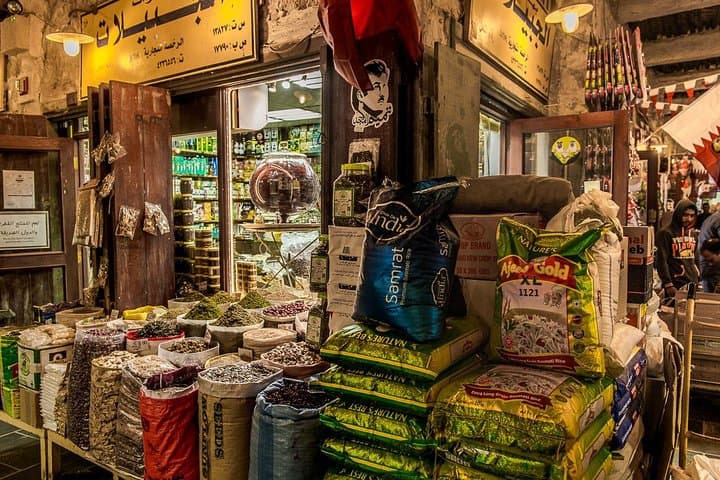
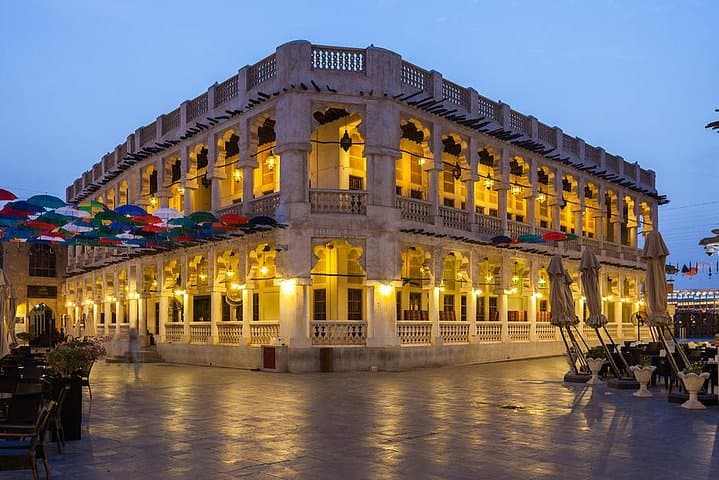
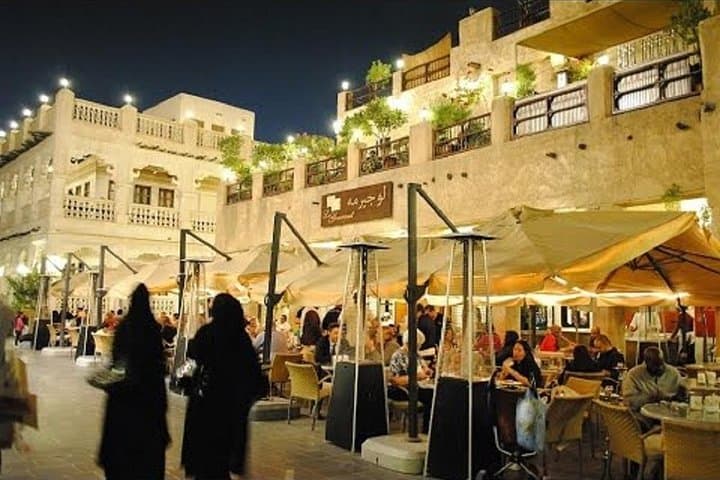
You step off the shaded arcade into a street where the air tastes of toasted cumin and cardamom; the market hums with bargaining voices and the soft rustle of woven textiles. Narrow alleys open into courtyards framed by low, ochre buildings—this is Souq Waqif, Doha’s revived trading quarter where modern Qatar brushes shoulders with Bedouin habit and craft.
You step off the shaded arcade into a street where the air tastes of toasted cumin and cardamom; the market hums with bargaining voices and the soft rustle of woven textiles. Narrow alleys open into courtyards framed by low, ochre buildings—this is Souq Waqif, Doha’s revived trading quarter where modern Qatar brushes shoulders with Bedouin habit and craft.
The souq sits on the edge of the old town, rebuilt in the early 2000s on a site long used by Bedouin traders. Geologically, the peninsula is flat and limestone-rich; the architecture uses simple, low-rise volumes and wind towers to keep the streets cool. Culture here is tangible—falconry remains a living tradition and you’ll find dedicated falcon stalls, alongside spice merchants and tailors making kanduras and abayas.
Expect a mix of sensory experiences: the metallic chime of jewelry, the bitter perfume of Arabic coffee, the deliberate cadence of bargaining. It’s a walking tour of commerce and craft rather than a strenuous trek—plan for standing and slow strolling rather than long hikes.
Practical guidance: go in the late afternoon or after sunset when temperatures fall and lamps throw warmer light across the market; carry small-denomination Qatari riyals for quick purchases; wear closed-toe shoes for cobbled and uneven alleys; hydrate—bottled water is typically provided but bring a refillable bottle for the day. Respect local customs: dress modestly and ask before photographing people and falcons. A private guide will unpack history and point out less obvious shops where artisans still work by hand.