THE ADVENTURE COLLECTIVE® · Independent discovery and booking for outdoor travel

Experience a 75-minute sound bath at Avata in Kathmandu—singing bowls, gong, and guided tones designed to release tension and promote sleep and recovery. The session includes individual attention, a briefing, and tea in a calm garden setting.
Experience a 75-minute sound bath at Avata in Kathmandu—singing bowls, gong, and guided tones designed to release tension and promote sleep and recovery. The session includes individual attention, a briefing, and tea in a calm garden setting.
You arrive at Avata’s quiet courtyard as late-afternoon light softens Kathmandu’s city edge. A low hum of traffic fades behind a gate; inside, a small garden breathes—bamboo leaves whisper, a courtyard wall holds the warmth of the day. Participants set down mats and bolsters while a facilitator arranges singing bowls and a bronze gong. The first strike is a physical nudge: sound moving through the air and into the body, inviting a slow, inward pace.
Verified experiences and guided adventures in the surrounding area.
Operated by Avata · Kathmandu, Bagmati Province
You arrive at Avata’s quiet courtyard as late-afternoon light softens Kathmandu’s city edge. A low hum of traffic fades behind a gate; inside, a small garden breathes—bamboo leaves whisper, a courtyard wall holds the warmth of the day. Participants set down mats and bolsters while a facilitator arranges singing bowls and a bronze gong. The first strike is a physical nudge: sound moving through the air and into the body, inviting a slow, inward pace.
Sound baths in the Kathmandu Valley draw on Himalayan and Tibetan ringing traditions—singing bowls and gongs shaped by centuries of metalwork, and vocal chants whose tonal patterns are embedded in regional meditation practices. Geologically the valley sits in a bowl of alluvial deposits flanked by ridges; culturally it’s a crossroads of Newar artisanal craft and Tibetan-influenced spiritual healing, so the experience blends local soundcraft with contemporary wellness techniques.
At Avata the session runs roughly 75 minutes: a short briefing, 60 minutes of guided sound immersion, then tea and detox water in the garden. Practitioners place bowls around the prone body so waves travel horizontally and through bone; occasional chanting or a gong punctuates the field. The space is accessible by local transport and designed for individual attention even within shared timeslots.
Practical edge: wear loose layers, remove constricting jewelry, and hydrate beforehand. If you have cardiovascular concerns or are pregnant, consult a physician—this modality uses low-frequency vibrations that can feel intense. Arrive 10–15 minutes early for the briefing, and plan to sit quietly after—post-session integration is part of the benefit.
easy.
75 minutes.
Minimal physical exertion; suitable for most fitness levels but requires ability to lie still for an hour
The full experience is 75 minutes—briefing, approximately 60 minutes of sound immersion, and a short post-session relaxation with tea.
Yes—sessions are guided and designed for people with no prior experience; facilitators explain what to expect before you lie down.
This session is not recommended for pregnant travelers; the provider advises consulting a physician for personalized guidance.
For a full refund cancel at least 24 hours before the scheduled time; same-day cancellations are non-refundable.
Sound healing in Nepal draws on Himalayan metalworking and Tibetan singing-bowl traditions that have been used in ritual and meditation for centuries.
Respect the garden space by avoiding single-use plastics, using provided water stations, and following the venue’s quiet hours to minimize disturbance.
Avata operates guided outdoor trips and adventures with an emphasis on safety, stewardship, and memorable experiences.
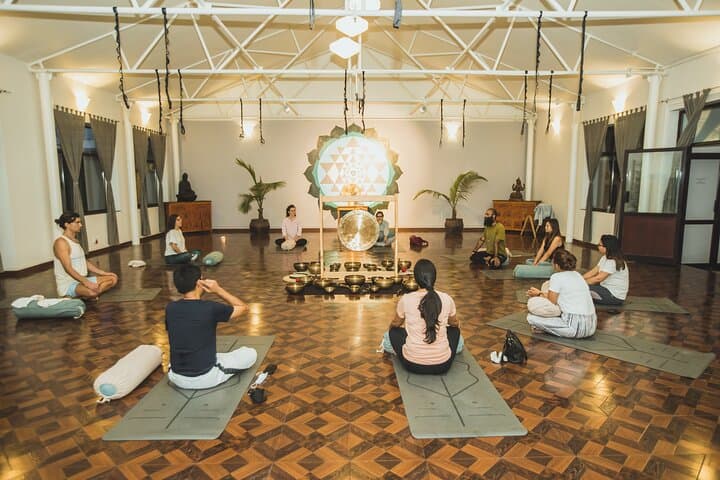
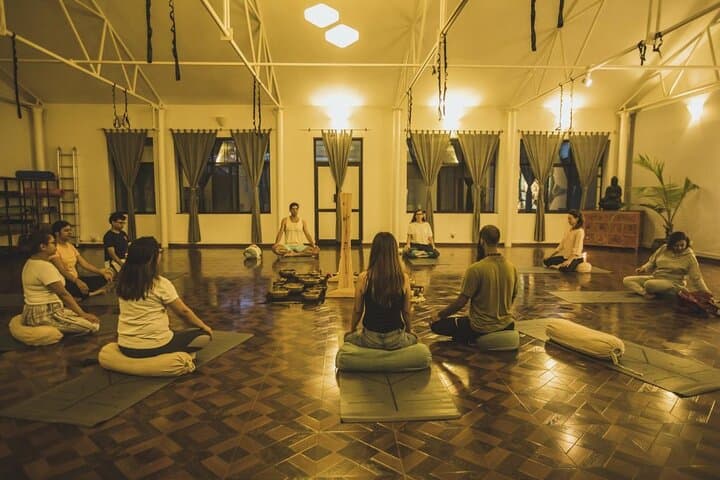
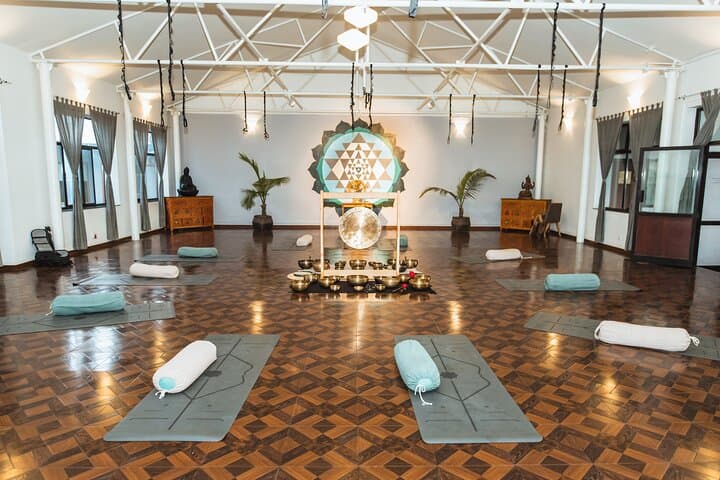
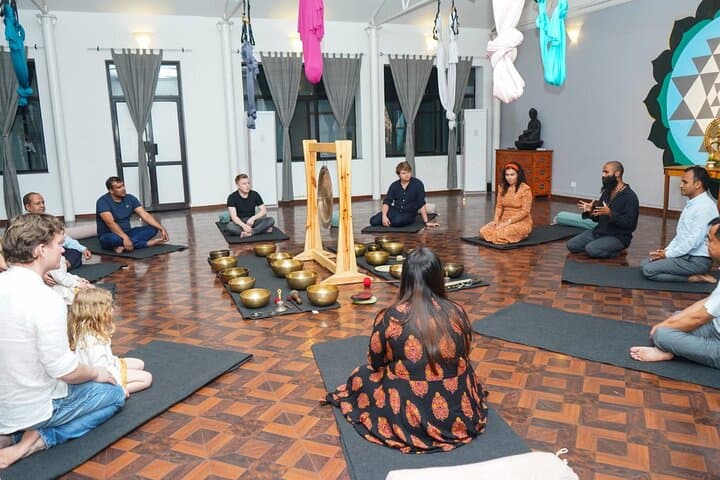
You arrive at Avata’s quiet courtyard as late-afternoon light softens Kathmandu’s city edge. A low hum of traffic fades behind a gate; inside, a small garden breathes—bamboo leaves whisper, a courtyard wall holds the warmth of the day. Participants set down mats and bolsters while a facilitator arranges singing bowls and a bronze gong. The first strike is a physical nudge: sound moving through the air and into the body, inviting a slow, inward pace.
You arrive at Avata’s quiet courtyard as late-afternoon light softens Kathmandu’s city edge. A low hum of traffic fades behind a gate; inside, a small garden breathes—bamboo leaves whisper, a courtyard wall holds the warmth of the day. Participants set down mats and bolsters while a facilitator arranges singing bowls and a bronze gong. The first strike is a physical nudge: sound moving through the air and into the body, inviting a slow, inward pace.
Sound baths in the Kathmandu Valley draw on Himalayan and Tibetan ringing traditions—singing bowls and gongs shaped by centuries of metalwork, and vocal chants whose tonal patterns are embedded in regional meditation practices. Geologically the valley sits in a bowl of alluvial deposits flanked by ridges; culturally it’s a crossroads of Newar artisanal craft and Tibetan-influenced spiritual healing, so the experience blends local soundcraft with contemporary wellness techniques.
At Avata the session runs roughly 75 minutes: a short briefing, 60 minutes of guided sound immersion, then tea and detox water in the garden. Practitioners place bowls around the prone body so waves travel horizontally and through bone; occasional chanting or a gong punctuates the field. The space is accessible by local transport and designed for individual attention even within shared timeslots.
Practical edge: wear loose layers, remove constricting jewelry, and hydrate beforehand. If you have cardiovascular concerns or are pregnant, consult a physician—this modality uses low-frequency vibrations that can feel intense. Arrive 10–15 minutes early for the briefing, and plan to sit quietly after—post-session integration is part of the benefit.