THE ADVENTURE COLLECTIVE® · Independent discovery and booking for outdoor travel

Explore Marrakech’s medina with a local guide: navigate winding alleys, meet artisans in the dye souk, and learn to bargain for rugs, leather and spices. This 3-hour walking tour pairs cultural context with practical tips for shopping like a local.
Explore Marrakech’s medina with a local guide: navigate winding alleys, meet artisans in the dye souk, and learn to bargain for rugs, leather and spices. This 3-hour walking tour pairs cultural context with practical tips for shopping like a local.
You meet your guide in Jemaa el-Fna as the square hums—fruit sellers calling, musicians weaving rhythm, and a sun that pushes light down the narrow alleys. The medina’s alleys funnel you into Souk Semmarine and the dye pits of Souk des Teinturiers; fabrics, spices and leather hang like signposts guiding each step.
Verified experiences and guided adventures in the surrounding area.
Operated by Authentic Marrakech Guided Tours · Marrakech, Marrakech-Safi
You meet your guide in Jemaa el-Fna as the square hums—fruit sellers calling, musicians weaving rhythm, and a sun that pushes light down the narrow alleys. The medina’s alleys funnel you into Souk Semmarine and the dye pits of Souk des Teinturiers; fabrics, spices and leather hang like signposts guiding each step.
These souks grew from medieval trade routes linking Marrakech to sub-Saharan and Mediterranean markets. Guilds of weavers, dyers and metalworkers established specialized streets; many stalls still follow those old patterns. The city sits on a stony plain at the edge of the High Atlas foothills, so the medina’s clay walls and red ochre buildings are as much geology as architecture—sunbaked earth stacked into lanes.
Culturally, bargaining is a dialogue: polite, rhythmic and expected. Small courtyards and riads offer glimpses of domestic life, while artisans—often working in family shops—demonstrate techniques passed down generations. The tour typically includes water, mint tea, pastries and options for shipping purchases home.
Practical guidance: wear comfortable walking shoes for uneven cobbles and expect 2–3 kilometers of walking with frequent stops. Carry small bills and a secure wallet; photograph pieces only with permission. Visit earlier in the morning for cooler temperatures and clearer access to quieter stalls; late afternoon brings more crowds and livelier bargaining.
This experience is less about ticking boxes and more about meeting makers, feeling textiles, and leaving with skills to judge quality. With a knowledgeable local guide, the souks feel navigable rather than overwhelming—an urban adventure that rewards curiosity and sensible preparation.
easy.
2–3 hours.
Suitable for most fitness levels; involves walking on uneven cobbles and standing at stalls
The tour is approximately 3 hours and covers about 2–3 kilometers with multiple short stops at markets and workshops.
Yes—bargaining is normal. Start at about 40–60% of the asking price, be polite, and treat it as a friendly exchange rather than confrontation.
The tour often offers free shipping options through partnered vendors; tax refund policies vary and larger purchases may be eligible—ask your guide or vendor for specifics.
The tour is rated easy and family-friendly, but the medina has narrow, uneven passages that may be difficult for wheelchairs or those with severe mobility limits—notify the operator when booking.
Marrakech’s souks evolved from medieval trade corridors; specialized streets hosted craft guilds that organized production and sale of goods for centuries.
Support craftspeople by buying quality, long-lasting pieces and avoid single-use plastic bags; consider shipping rather than overpackaging for transport to reduce waste.
Authentic Marrakech Guided Tours operates guided outdoor trips and adventures with an emphasis on safety, stewardship, and memorable experiences.
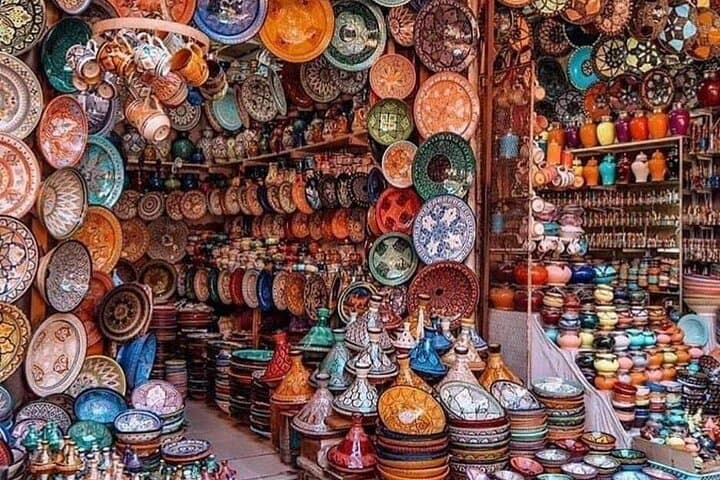
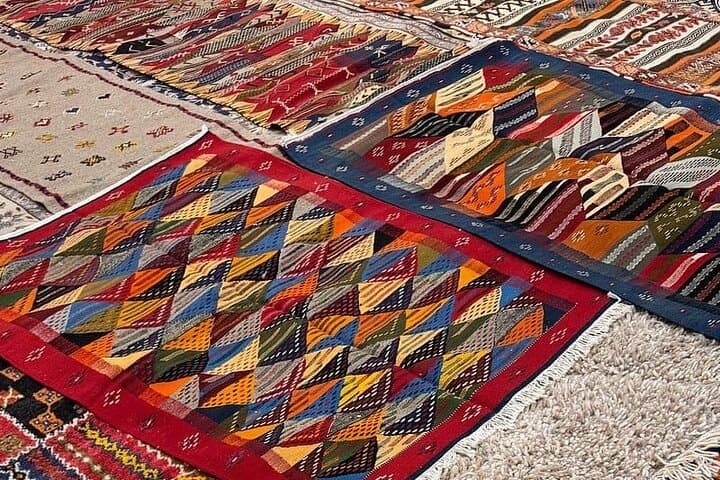
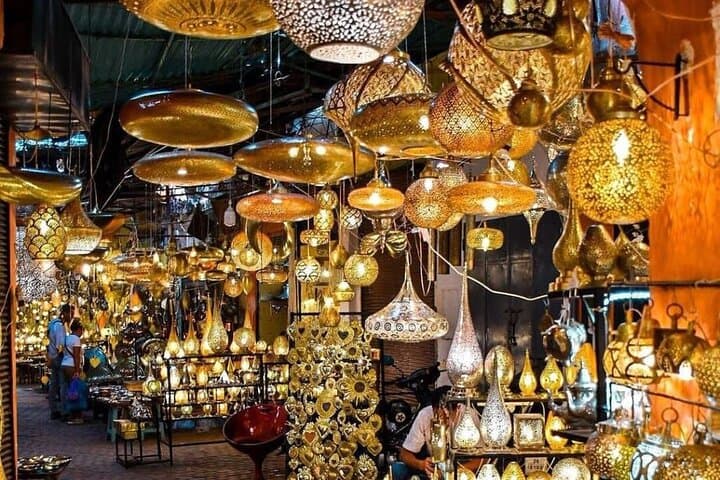
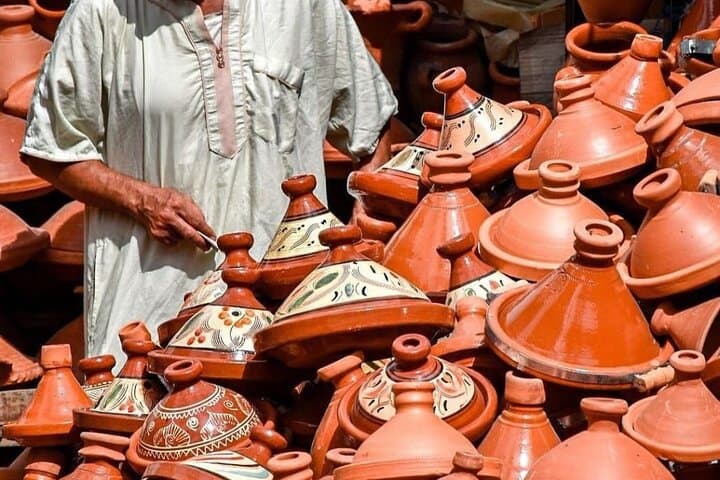
You meet your guide in Jemaa el-Fna as the square hums—fruit sellers calling, musicians weaving rhythm, and a sun that pushes light down the narrow alleys. The medina’s alleys funnel you into Souk Semmarine and the dye pits of Souk des Teinturiers; fabrics, spices and leather hang like signposts guiding each step.
You meet your guide in Jemaa el-Fna as the square hums—fruit sellers calling, musicians weaving rhythm, and a sun that pushes light down the narrow alleys. The medina’s alleys funnel you into Souk Semmarine and the dye pits of Souk des Teinturiers; fabrics, spices and leather hang like signposts guiding each step.
These souks grew from medieval trade routes linking Marrakech to sub-Saharan and Mediterranean markets. Guilds of weavers, dyers and metalworkers established specialized streets; many stalls still follow those old patterns. The city sits on a stony plain at the edge of the High Atlas foothills, so the medina’s clay walls and red ochre buildings are as much geology as architecture—sunbaked earth stacked into lanes.
Culturally, bargaining is a dialogue: polite, rhythmic and expected. Small courtyards and riads offer glimpses of domestic life, while artisans—often working in family shops—demonstrate techniques passed down generations. The tour typically includes water, mint tea, pastries and options for shipping purchases home.
Practical guidance: wear comfortable walking shoes for uneven cobbles and expect 2–3 kilometers of walking with frequent stops. Carry small bills and a secure wallet; photograph pieces only with permission. Visit earlier in the morning for cooler temperatures and clearer access to quieter stalls; late afternoon brings more crowds and livelier bargaining.
This experience is less about ticking boxes and more about meeting makers, feeling textiles, and leaving with skills to judge quality. With a knowledgeable local guide, the souks feel navigable rather than overwhelming—an urban adventure that rewards curiosity and sensible preparation.