THE ADVENTURE COLLECTIVE® · Independent discovery and booking for outdoor travel

Walk cacao lanes and craft your own bar on this private, 4-hour bean-to-bar tour in Soufrière. Learn plantation practices, taste raw cacao, and meet local artisans as volcanic soils and coastal breezes shape the flavor.
Walk cacao lanes and craft your own bar on this private, 4-hour bean-to-bar tour in Soufrière. Learn plantation practices, taste raw cacao, and meet local artisans as volcanic soils and coastal breezes shape the flavor.
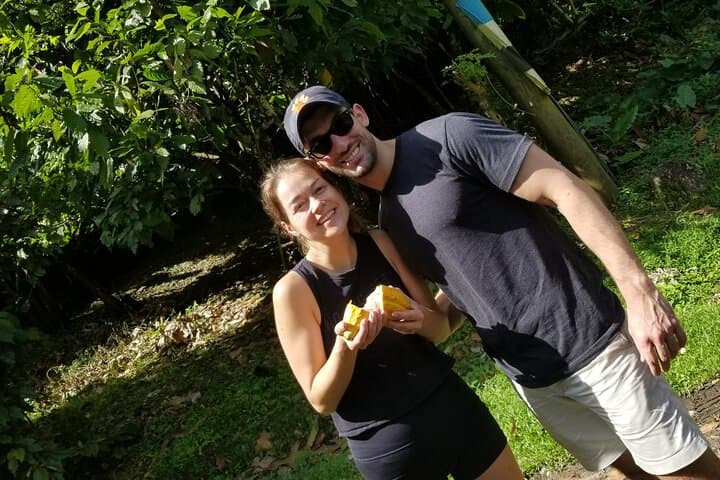
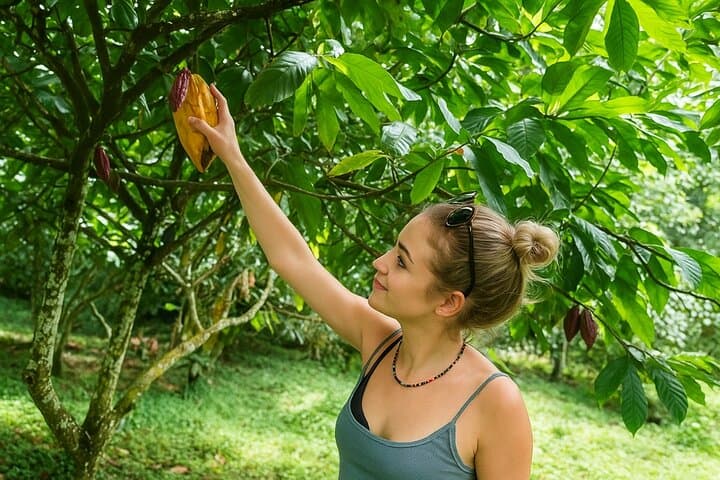
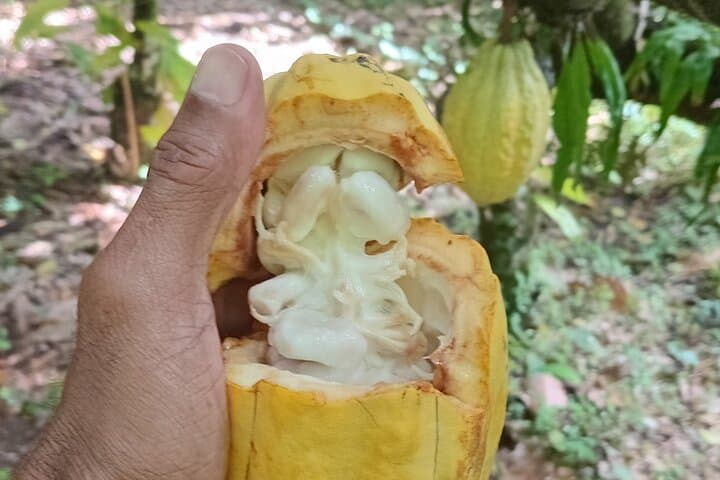
You step off the coastal road into the humid hush of plantation shade, cocoa pods punctuating the understory like orange lanterns. The air smells of earth and citrus; guides move easily among rows of trees, encouraging you to pry open a pod and taste the raw, slightly bitter pulp that nurtures a future bar.
Verified experiences and guided adventures in the surrounding area.
Operated by Travelers Env · Soufrière, St. Lucia
You step off the coastal road into the humid hush of plantation shade, cocoa pods punctuating the understory like orange lanterns. The air smells of earth and citrus; guides move easily among rows of trees, encouraging you to pry open a pod and taste the raw, slightly bitter pulp that nurtures a future bar.
Soufrière sits on volcanic soils produced by ancient eruptions that feed rich, mineral-dense ground ideal for cacao. The island’s cacao history traces colonial estates through postwar smallholder revival—this tour threads those eras together, pairing practical farming techniques with local artisan craft.
Walks through the estate reveal geology in miniature: old lava ridges, quick-draining slopes and terraces where cacao roots take hold. Cultural elements arrive in conversation—family recipes, Creole names for varieties, and the slow process of fermenting and sun-drying the beans. Nature participates too; tropical birds flit overhead and a warm sea breeze finds its way inland, daring you to slow down and listen.
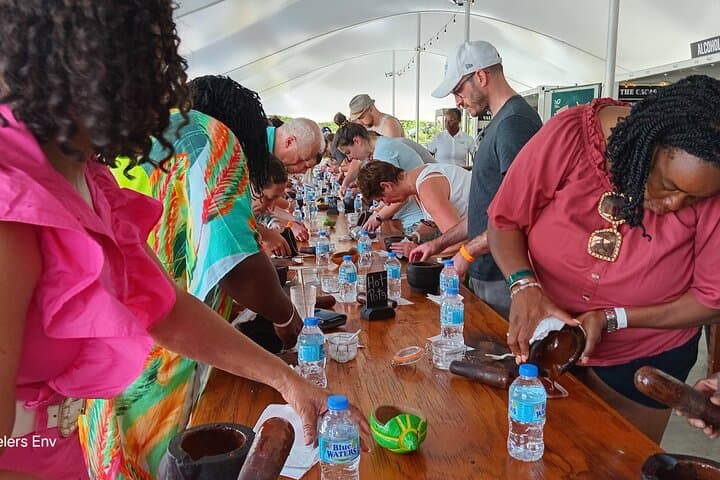
Practically, expect four hours of mostly easy walking on shaded plantation tracks, plus hands-on chocolate-making stations where you grind, temper and mold a bar. Wear closed-toe shoes and bring a light rain layer—the tropics can change mood quickly. Hydrate, alert staff to allergies, and budget a little cash if you want to buy single-origin bars made on site.
For food-focused travelers this is an intimate, sensory way to understand St. Lucia’s cacao legacy—part natural history lesson, part workshop, and entirely edible.
easy.
4 hours.
Suitable for most fitness levels—short, mostly flat walks with standing activity during demonstrations
Yes—many estates offer wheelchair-accessible paths and transportation options; confirm accessibility needs when booking.
Yes—the private tour includes guided tastings and interactive chocolate-making where you process beans into a small bar.
Families are welcome; sessions are suitable for kids and infants, but let the operator know ages in advance.
Notify the operator of allergies or dietary needs before the tour so guides can accommodate or alter tastings.
Cacao in St. Lucia has roots in colonial plantation systems and was later preserved by smallholder families who refined local varietals into artisanal chocolate.
Many local producers emphasize sustainable farming—buying directly supports smallholders and reduces pressure for land conversion; avoid single-use plastics during visits.
Travelers Env operates guided outdoor trips and adventures with an emphasis on safety, stewardship, and memorable experiences.
You step off the coastal road into the humid hush of plantation shade, cocoa pods punctuating the understory like orange lanterns. The air smells of earth and citrus; guides move easily among rows of trees, encouraging you to pry open a pod and taste the raw, slightly bitter pulp that nurtures a future bar.
You step off the coastal road into the humid hush of plantation shade, cocoa pods punctuating the understory like orange lanterns. The air smells of earth and citrus; guides move easily among rows of trees, encouraging you to pry open a pod and taste the raw, slightly bitter pulp that nurtures a future bar.
Soufrière sits on volcanic soils produced by ancient eruptions that feed rich, mineral-dense ground ideal for cacao. The island’s cacao history traces colonial estates through postwar smallholder revival—this tour threads those eras together, pairing practical farming techniques with local artisan craft.
Walks through the estate reveal geology in miniature: old lava ridges, quick-draining slopes and terraces where cacao roots take hold. Cultural elements arrive in conversation—family recipes, Creole names for varieties, and the slow process of fermenting and sun-drying the beans. Nature participates too; tropical birds flit overhead and a warm sea breeze finds its way inland, daring you to slow down and listen.
Practically, expect four hours of mostly easy walking on shaded plantation tracks, plus hands-on chocolate-making stations where you grind, temper and mold a bar. Wear closed-toe shoes and bring a light rain layer—the tropics can change mood quickly. Hydrate, alert staff to allergies, and budget a little cash if you want to buy single-origin bars made on site.
For food-focused travelers this is an intimate, sensory way to understand St. Lucia’s cacao legacy—part natural history lesson, part workshop, and entirely edible.