THE ADVENTURE COLLECTIVE® · Independent discovery and booking for outdoor travel

Spend a morning on a working farm in Soufriere, tasting freshly picked fruit, learning to make Saint Lucian Cocoa Tea, and enjoying a Creole lunch with views of the Pitons. This 4‑hour farm‑to‑table experience blends hands‑on cooking, nature, and local agricultural insights.
Spend a morning on a working farm in Soufriere, tasting freshly picked fruit, learning to make Saint Lucian Cocoa Tea, and enjoying a Creole lunch with views of the Pitons. This 4‑hour farm‑to‑table experience blends hands‑on cooking, nature, and local agricultural insights.
Morning light washes the Pitons in gold as visitors step off an air‑conditioned van and into the farm’s humid, green hush. The earth here smells of volcanic mineral and fresh cilantro; fields ripple in low terraces and the wind through banana leaves seems to encourage you forward.
Verified experiences and guided adventures in the surrounding area.
Operated by The Signature Travel Group Incorporated · Soufriere, Soufrière Quarter
Morning light washes the Pitons in gold as visitors step off an air‑conditioned van and into the farm’s humid, green hush. The earth here smells of volcanic mineral and fresh cilantro; fields ripple in low terraces and the wind through banana leaves seems to encourage you forward.
This is Soufriere—where volcanic geology made steep, fertile valleys and where colonial sugar and cocoa plantations shaped local culture. The Pitons, a UNESCO World Heritage landmark visible from the property, are volcanic plugs that rise sharply from the sea and feed the soils that sustain the crops you’ll sample. On the walk, guides point out crop-rotation beds, heirloom cacao, and fruit trees while the rare St. Lucia Amazon may call from the Edmund Forest Reserve nearby.
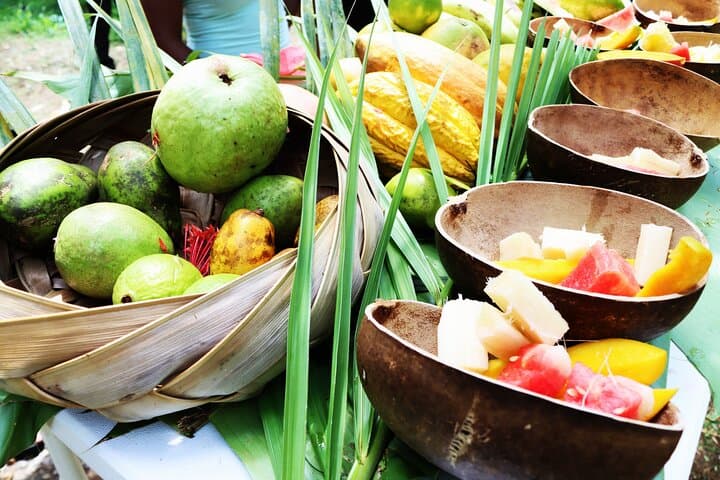
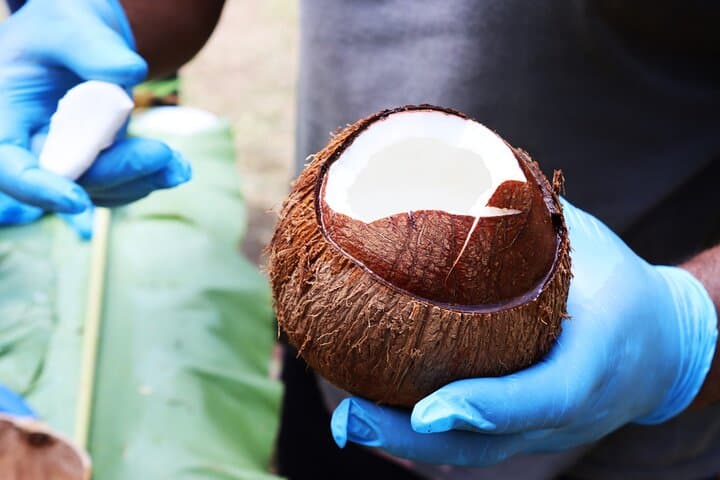
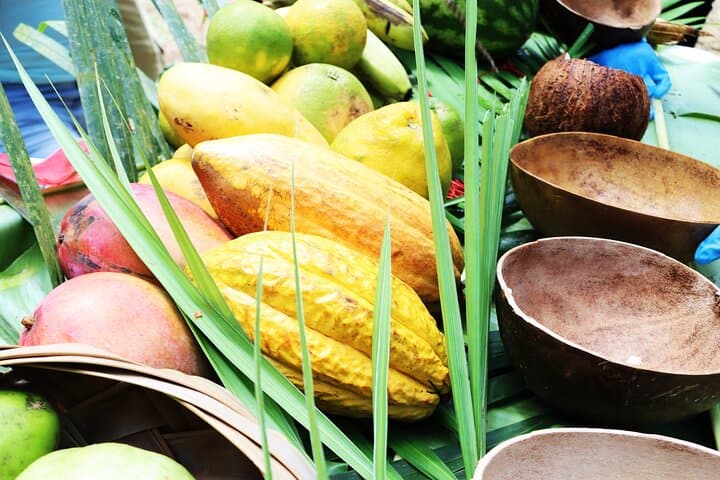
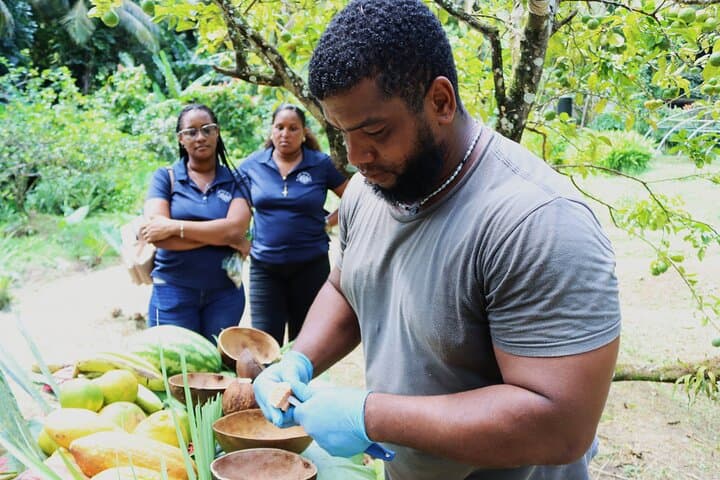
The hands‑on portion centers on freshly harvested produce: you’ll pick, taste, and help prepare traditional Saint Lucian Cocoa Tea, then sit down to a Creole‑style lunch crafted from that morning’s harvest. Expect easy, sometimes uneven farm paths, photo stops with the Pitons, and a small‑group atmosphere—the full visit runs about four hours.
Practical notes: wear sturdy closed‑toe shoes and sun protection, bring a refillable water bottle and insect repellent, and plan for a moderate amount of walking and standing. The farm emphasizes sustainable practices—leave no trace, follow the guide’s lead, and support local producers by asking about seasonality. Ideal for travelers who want a tactile, edible introduction to Soufriere’s landscape and culture.
moderate.
4 hours.
Moderate fitness; able to walk short uneven farm trails, stand during demonstrations, and climb a few low steps.
Yes—an air‑conditioned vehicle transfer is included as stated in the tour inclusions; meet and pickup details are provided at booking.
The Creole lunch is farm‑fresh; notify the operator of dietary needs at booking so chefs can accommodate common restrictions.
Children are welcome; note that infants must sit on an adult’s lap and the walk requires moderate mobility.
Sightings are possible, especially near the Edmund Forest Reserve, but the parrot is protected and not guaranteed—visit early for better odds.
Soufriere’s agricultural patterns were shaped by colonial-era plantations; volcanic soils from historic eruptions created the fertile valleys cultivated today.
Local farms emphasize sustainable crop rotation and support native forest conservation; visitors are encouraged to minimize waste and support local producers.
The Signature Travel Group Incorporated operates guided outdoor trips and adventures with an emphasis on safety, stewardship, and memorable experiences.
Morning light washes the Pitons in gold as visitors step off an air‑conditioned van and into the farm’s humid, green hush. The earth here smells of volcanic mineral and fresh cilantro; fields ripple in low terraces and the wind through banana leaves seems to encourage you forward.
Morning light washes the Pitons in gold as visitors step off an air‑conditioned van and into the farm’s humid, green hush. The earth here smells of volcanic mineral and fresh cilantro; fields ripple in low terraces and the wind through banana leaves seems to encourage you forward.
This is Soufriere—where volcanic geology made steep, fertile valleys and where colonial sugar and cocoa plantations shaped local culture. The Pitons, a UNESCO World Heritage landmark visible from the property, are volcanic plugs that rise sharply from the sea and feed the soils that sustain the crops you’ll sample. On the walk, guides point out crop-rotation beds, heirloom cacao, and fruit trees while the rare St. Lucia Amazon may call from the Edmund Forest Reserve nearby.
The hands‑on portion centers on freshly harvested produce: you’ll pick, taste, and help prepare traditional Saint Lucian Cocoa Tea, then sit down to a Creole‑style lunch crafted from that morning’s harvest. Expect easy, sometimes uneven farm paths, photo stops with the Pitons, and a small‑group atmosphere—the full visit runs about four hours.
Practical notes: wear sturdy closed‑toe shoes and sun protection, bring a refillable water bottle and insect repellent, and plan for a moderate amount of walking and standing. The farm emphasizes sustainable practices—leave no trace, follow the guide’s lead, and support local producers by asking about seasonality. Ideal for travelers who want a tactile, edible introduction to Soufriere’s landscape and culture.