THE ADVENTURE COLLECTIVE® · Independent discovery and booking for outdoor travel

Board a premium catamaran for a full-day loop of St. Lucia’s highlights: sail past fishing villages to the Pitons, soak in Sulphur Springs, stroll the Diamond Botanical Gardens, and snorkel a protected reef. This balanced sea-and-land tour blends geology, culture and beachside marine life.
Board a premium catamaran for a full-day loop of St. Lucia’s highlights: sail past fishing villages to the Pitons, soak in Sulphur Springs, stroll the Diamond Botanical Gardens, and snorkel a protected reef. This balanced sea-and-land tour blends geology, culture and beachside marine life.
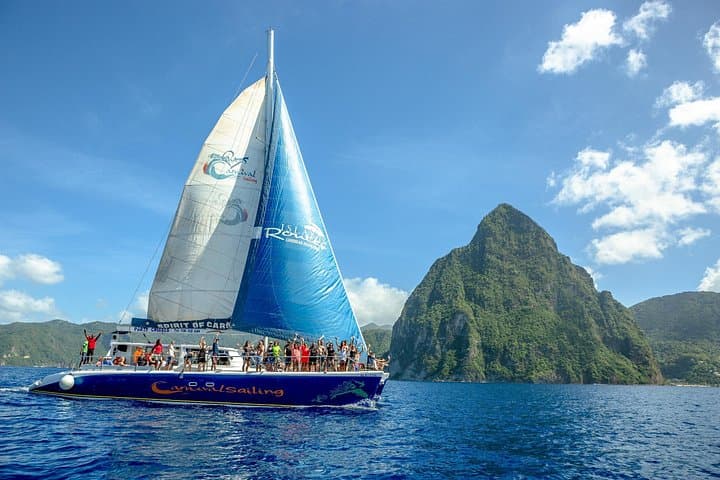
The catamaran slips from the harbor and the island unfolds — green shoulders of volcanic rock rise toward the Pitons, the sea pushing the boat gently forward as sunlight plays on the bow.
Verified experiences and guided adventures in the surrounding area.
Operated by Island Routes · Soufriere, Soufriere Quarter
The catamaran slips from the harbor and the island unfolds — green shoulders of volcanic rock rise toward the Pitons, the sea pushing the boat gently forward as sunlight plays on the bow.
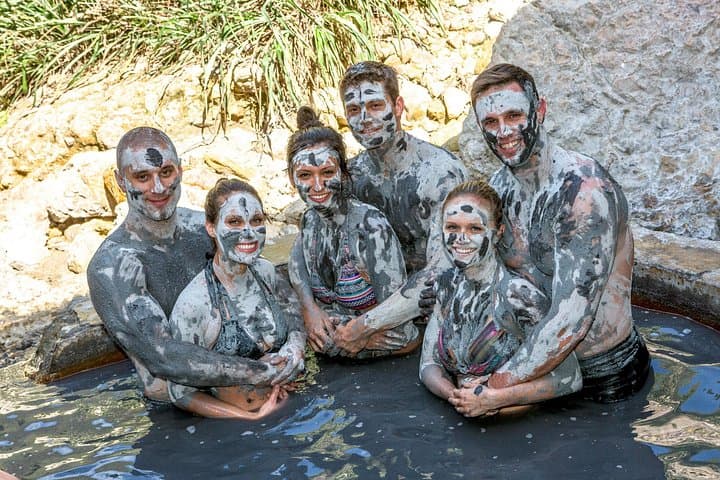
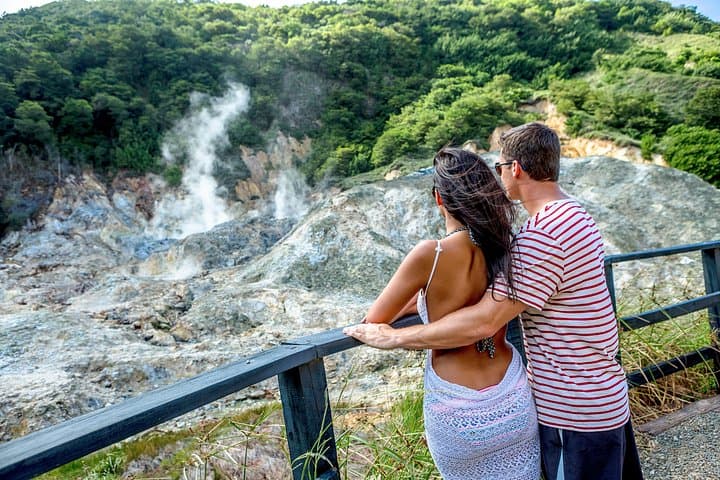
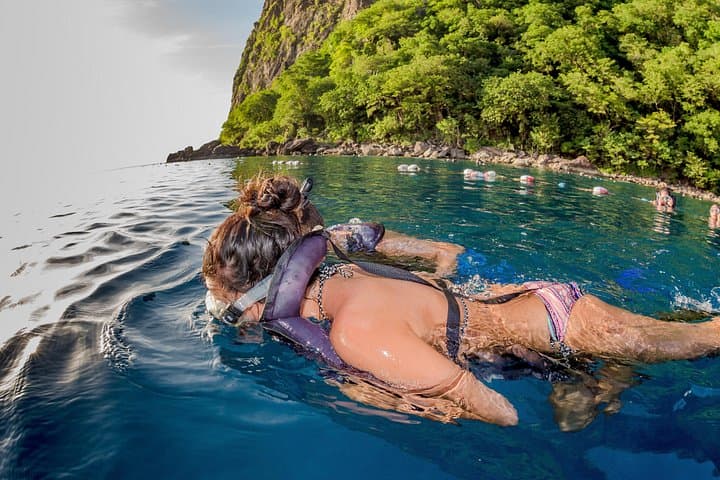
Guests disembark for short walks at a botanical garden where a waterfall threads mineral-rich streams over black volcanic rock, then move inland to the sulfur valley where steam rises like a living map of the island’s geology. After a hot mud dip, the tour returns to the water: a protected reef at the Pitons base offers clear snorkeling, bright coral gardens and curious parrotfish that dart like punctuation marks.
St. Lucia’s coast carries sugarcane and cocoa histories; Soufriere itself anchored the island’s colonial economy and now anchors visitors to its natural wonders. The Pitons are volcanic plugs—Gros and Petit—to which UNESCO status points both geological importance and the need for care. Marigot Bay’s calm channel sheltered sailing ships for centuries and remains a photogenic waypoint.
Practical notes: the full excursion runs about seven hours and mixes light walking, boat transfers and snorkeling; expect some stairs at garden and springs sites. Bring reef-safe sunscreen, water shoes for slippery paths, and a basic snorkel competency; guides provide gear but quick orientation helps. Hydrate before and after the mud baths — sulfur water is warm and buoyant but can be dehydrating. If you have heart, respiratory, or pregnancy concerns, this is not recommended. Timing mid-morning to early afternoon gives the best light for photos and calmer seas for snorkeling.
moderate.
7 hours.
Moderate fitness: must board a catamaran, walk short uneven paths, and be comfortable snorkeling for short periods.
Yes—basic snorkel gear is provided, but many travelers bring personal masks for fit; fins may be limited.
The itinerary is approximately seven hours; hotel pickup and drop‑off are included for selected hotels—confirm at booking.
Yes, the minimum age is 5, but supervise children in water and note some sites involve stairs and rocky terrain.
This tour is not recommended for pregnant guests and those with serious heart, respiratory, or recent back/hand injuries.
Soufriere grew as a colonial center for sugar and cocoa; the nearby Sulphur Springs reveal the island’s volcanic origins and long local use for therapeutic baths.
The reef is protected—use reef‑safe sunscreen, avoid touching coral, and follow guides to minimize disturbance; locals support eco‑tourism measures to preserve marine life.
Island Routes operates guided outdoor trips and adventures with an emphasis on safety, stewardship, and memorable experiences.
The catamaran slips from the harbor and the island unfolds — green shoulders of volcanic rock rise toward the Pitons, the sea pushing the boat gently forward as sunlight plays on the bow.
The catamaran slips from the harbor and the island unfolds — green shoulders of volcanic rock rise toward the Pitons, the sea pushing the boat gently forward as sunlight plays on the bow.
Guests disembark for short walks at a botanical garden where a waterfall threads mineral-rich streams over black volcanic rock, then move inland to the sulfur valley where steam rises like a living map of the island’s geology. After a hot mud dip, the tour returns to the water: a protected reef at the Pitons base offers clear snorkeling, bright coral gardens and curious parrotfish that dart like punctuation marks.
St. Lucia’s coast carries sugarcane and cocoa histories; Soufriere itself anchored the island’s colonial economy and now anchors visitors to its natural wonders. The Pitons are volcanic plugs—Gros and Petit—to which UNESCO status points both geological importance and the need for care. Marigot Bay’s calm channel sheltered sailing ships for centuries and remains a photogenic waypoint.
Practical notes: the full excursion runs about seven hours and mixes light walking, boat transfers and snorkeling; expect some stairs at garden and springs sites. Bring reef-safe sunscreen, water shoes for slippery paths, and a basic snorkel competency; guides provide gear but quick orientation helps. Hydrate before and after the mud baths — sulfur water is warm and buoyant but can be dehydrating. If you have heart, respiratory, or pregnancy concerns, this is not recommended. Timing mid-morning to early afternoon gives the best light for photos and calmer seas for snorkeling.