THE ADVENTURE COLLECTIVE® · Independent discovery and booking for outdoor travel

Explore Pompeii’s excavated streets with an archaeologist, then climb the pumice slopes of Mount Vesuvius for sweeping views over the Gulf of Naples. This full-day guided tour from Sorrento pairs history with a short alpine hike to a living crater.
Explore Pompeii’s excavated streets with an archaeologist, then climb the pumice slopes of Mount Vesuvius for sweeping views over the Gulf of Naples. This full-day guided tour from Sorrento pairs history with a short alpine hike to a living crater.
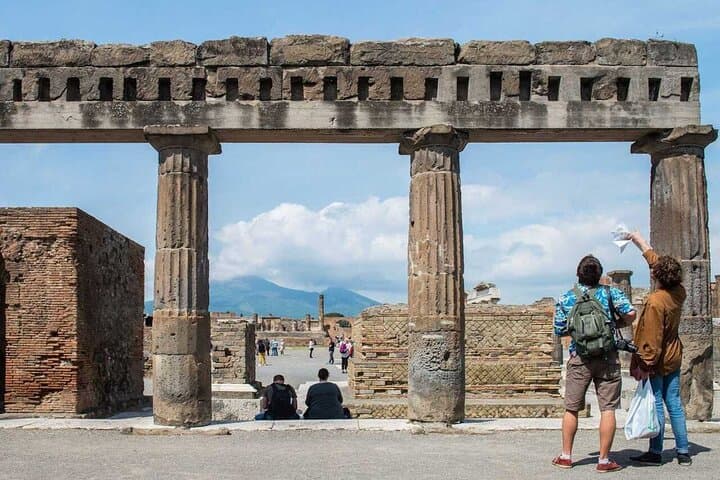
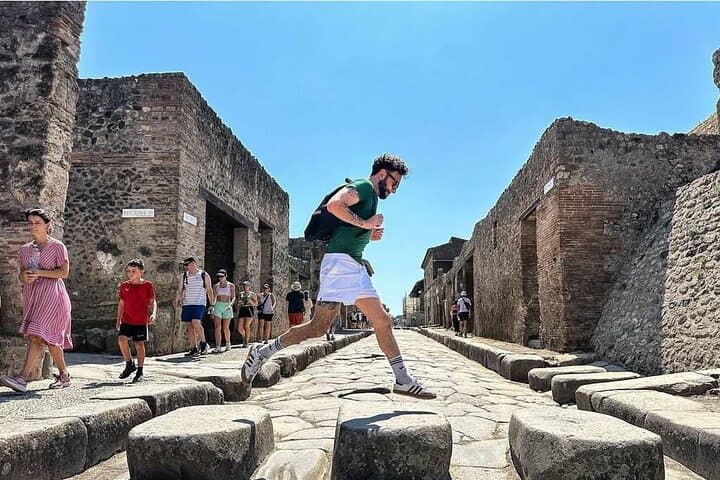
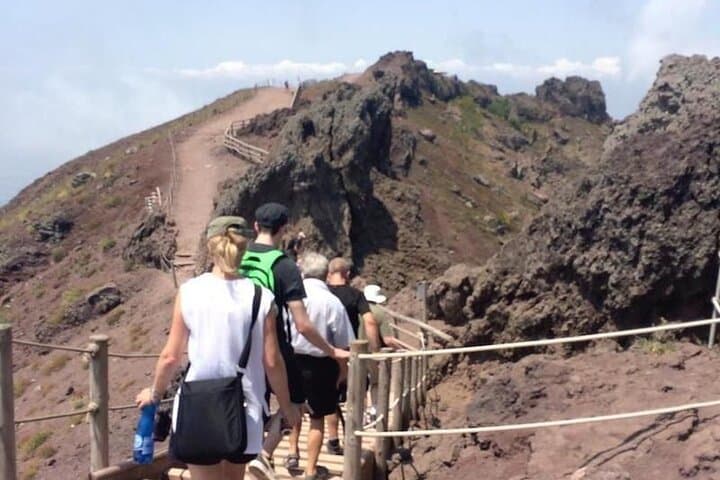
You step off a minibus into still, sunlit stone: the streets of Pompeii open like a frozen moment, mosaics and shopfronts held in the posture of 79 A.D. Later, higher on the flanks of Vesuvius, the ash-grit trail tilts underfoot and the Gulf of Naples spreads blue and bright below.
Verified experiences and guided adventures in the surrounding area.
Operated by Buyourtour di Amo Italy Travel · Sorrento, Campania
You step off a minibus into still, sunlit stone: the streets of Pompeii open like a frozen moment, mosaics and shopfronts held in the posture of 79 A.D. Later, higher on the flanks of Vesuvius, the ash-grit trail tilts underfoot and the Gulf of Naples spreads blue and bright below.
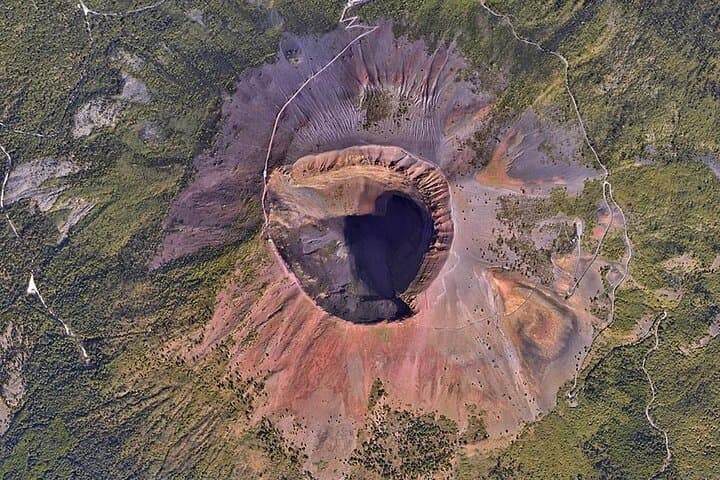
Pompeii was buried by Vesuvius’s catastrophic eruption in 79 A.D., preserving Roman homes, baths and public life beneath meters of ash. Archaeology here reads like a city laid out on a weekday—forums, markets (the Macellum), the amphitheater and the House of the Faun give shape to daily routines. Geologically, Vesuvius is a stratovolcano whose layered deposits and fumarolic vents mark a restless history; the crater hike climbs a pumice-and-cinder slope to a rim that frames the bay.
Culturally, Campania blends maritime trade history and strong local food traditions—expect olive-scented air and lemon groves on the drive back to Sorrento.
Practical guidance: the tour runs roughly eight hours with hotel pickup in Sorrento, a two-hour guided walk through Pompeii, and a 60–90 minute ascent to the Vesuvius crater with an alpine guide. Paths at Pompeii are uneven stone; Vesuvius is loose volcanic scree—sturdy shoes and sun protection matter. Carry water, move deliberately on steep sections, and allow extra time for transport traffic. Weather can close the crater; operators usually offer partial refunds or alternative routes. Combine curiosity about Roman life with a head for elevation and a readiness for dusty volcanic trails.
moderate.
8 hours.
Suitable for travelers in reasonable health who can walk 2–3 hours on uneven terrain and handle short uphill sections.
Yes—this tour includes entrance tickets to the Pompeii archaeological park and access to the Vesuvius trail as described.
The final approach is a 30–90 minute climb on loose pumice and compacted volcanic scree; it's steep but short—an alpine guide accompanies the group.
Guides typically include highlights such as the Forum and major houses, though exact stops can vary with crowding and time.
Operators usually offer an alternative itinerary or a partial refund if crater access is closed for safety reasons.
Pompeii was rapidly buried by ash from Vesuvius in 79 A.D., preserving Roman urban life under meters of volcanic material.
High visitor numbers strain fragile ruins and volcanic trails; stay on marked paths, avoid touching frescoes and carry out trash to help preservation.
Buyourtour di Amo Italy Travel operates guided outdoor trips and adventures with an emphasis on safety, stewardship, and memorable experiences.
You step off a minibus into still, sunlit stone: the streets of Pompeii open like a frozen moment, mosaics and shopfronts held in the posture of 79 A.D. Later, higher on the flanks of Vesuvius, the ash-grit trail tilts underfoot and the Gulf of Naples spreads blue and bright below.
You step off a minibus into still, sunlit stone: the streets of Pompeii open like a frozen moment, mosaics and shopfronts held in the posture of 79 A.D. Later, higher on the flanks of Vesuvius, the ash-grit trail tilts underfoot and the Gulf of Naples spreads blue and bright below.
Pompeii was buried by Vesuvius’s catastrophic eruption in 79 A.D., preserving Roman homes, baths and public life beneath meters of ash. Archaeology here reads like a city laid out on a weekday—forums, markets (the Macellum), the amphitheater and the House of the Faun give shape to daily routines. Geologically, Vesuvius is a stratovolcano whose layered deposits and fumarolic vents mark a restless history; the crater hike climbs a pumice-and-cinder slope to a rim that frames the bay.
Culturally, Campania blends maritime trade history and strong local food traditions—expect olive-scented air and lemon groves on the drive back to Sorrento.
Practical guidance: the tour runs roughly eight hours with hotel pickup in Sorrento, a two-hour guided walk through Pompeii, and a 60–90 minute ascent to the Vesuvius crater with an alpine guide. Paths at Pompeii are uneven stone; Vesuvius is loose volcanic scree—sturdy shoes and sun protection matter. Carry water, move deliberately on steep sections, and allow extra time for transport traffic. Weather can close the crater; operators usually offer partial refunds or alternative routes. Combine curiosity about Roman life with a head for elevation and a readiness for dusty volcanic trails.