THE ADVENTURE COLLECTIVE® · Independent discovery and booking for outdoor travel

Combine cliffside views and ancient ruins on an eight-hour private shore excursion from Naples. Visit Positano’s steep lanes, taste Sorrento’s limoncello, and walk Pompeii’s preserved Roman streets.
Combine cliffside views and ancient ruins on an eight-hour private shore excursion from Naples. Visit Positano’s steep lanes, taste Sorrento’s limoncello, and walk Pompeii’s preserved Roman streets.
You step off a coach where limestone cliffs meet a restless Mediterranean; the sea dares you to slow down as the road unfurls curve after curve. In Positano, stairways thread between pastel houses and bougainvillea, each bend revealing the village slipping toward the water. In Sorrento the citrus air and craft workshops crowd a sunny piazza. Later, Pompeii opens like a fossilized city—ruined streets and plaster casts of lives paused by Vesuvius.
Verified experiences and guided adventures in the surrounding area.
Operated by Amalfishorexcurtions · Sorrento, Campania
You step off a coach where limestone cliffs meet a restless Mediterranean; the sea dares you to slow down as the road unfurls curve after curve. In Positano, stairways thread between pastel houses and bougainvillea, each bend revealing the village slipping toward the water. In Sorrento the citrus air and craft workshops crowd a sunny piazza. Later, Pompeii opens like a fossilized city—ruined streets and plaster casts of lives paused by Vesuvius.
The day stitches together coastal geology and Roman history: the Amalfi cliffs are carved from marine limestones and collapse-sculpted headlands, while Vesuvius’ ash and pumice preserved Pompeii after the AD 79 eruption. Local culture is tactile—limoncello distilled from Sorrento’s lemons, artisan wood inlay, and fishermen mending nets along the shore. Expect narrow pedestrian lanes, terraced viewpoints, and ancient cobbles; Positano’s descent to Fornillo Beach drops roughly 80–120 meters over steep stairways, while Pompeii is broadly flat but uneven.
Practically: this private eight-hour itinerary splits time across Positano (about 60 minutes), Sorrento (60 minutes) and Pompeii (about 120 minutes), with scenic photo stops en route. Wear sturdy walking shoes for cobbles and steps, carry water and sun protection, and leave large luggage on the coach. Pompeii’s entry may require pre-booked tickets in high season—check availability and factor in time for queues. The tour is wheelchair-accessible for transport, but expect limited access on ancient streets. Travel early in summer to avoid the hottest hours, and plan for crowds at the archaeological site.
moderate.
8 hours.
Suitable for travelers with basic mobility; expect walking on uneven surfaces and climbing/descending stairways in Positano.
Admission is typically not included—confirm with your operator and consider buying a timed ticket in advance, especially in high season.
Expect moderate walking: uneven cobbles at Pompeii and steep stairways in Positano (roughly 80–120m descent/ascent to the beach).
Transport is stroller-accessible, but Positano’s stairs and Pompeii’s ancient streets are not stroller-friendly—lightweight carriers are better for small children.
Shore excursions usually pick up at the cruise port or arranged hotel/meeting point in Naples; confirm your pickup point and allow time for transfer traffic.
Pompeii was buried by the AD 79 eruption of Mount Vesuvius, preserving streets, houses and artifacts that reveal everyday Roman life; Sorrento and Positano grew from fishing villages to popular coastal towns with long maritime traditions.
Archaeological conservation limits access in fragile areas of Pompeii and authorities manage visitor flows to protect structures; follow marked paths and avoid touching ruins.
Amalfishorexcurtions operates guided outdoor trips and adventures with an emphasis on safety, stewardship, and memorable experiences.
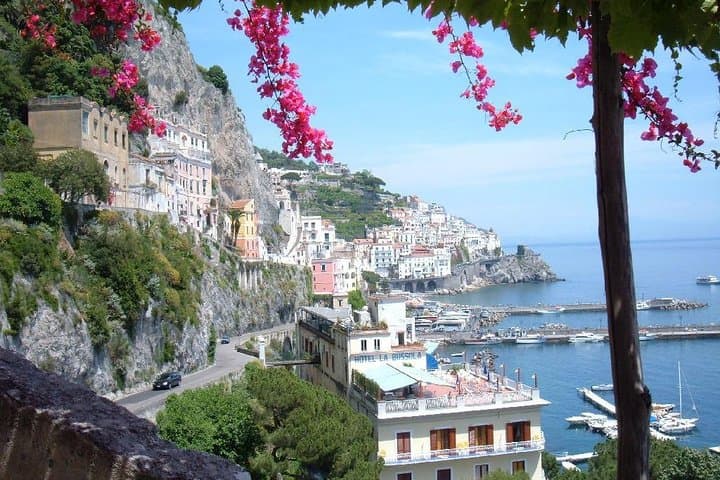

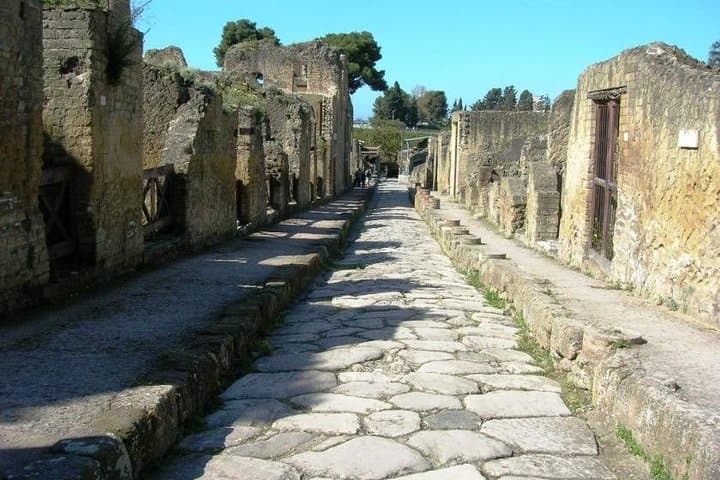

You step off a coach where limestone cliffs meet a restless Mediterranean; the sea dares you to slow down as the road unfurls curve after curve. In Positano, stairways thread between pastel houses and bougainvillea, each bend revealing the village slipping toward the water. In Sorrento the citrus air and craft workshops crowd a sunny piazza. Later, Pompeii opens like a fossilized city—ruined streets and plaster casts of lives paused by Vesuvius.
You step off a coach where limestone cliffs meet a restless Mediterranean; the sea dares you to slow down as the road unfurls curve after curve. In Positano, stairways thread between pastel houses and bougainvillea, each bend revealing the village slipping toward the water. In Sorrento the citrus air and craft workshops crowd a sunny piazza. Later, Pompeii opens like a fossilized city—ruined streets and plaster casts of lives paused by Vesuvius.
The day stitches together coastal geology and Roman history: the Amalfi cliffs are carved from marine limestones and collapse-sculpted headlands, while Vesuvius’ ash and pumice preserved Pompeii after the AD 79 eruption. Local culture is tactile—limoncello distilled from Sorrento’s lemons, artisan wood inlay, and fishermen mending nets along the shore. Expect narrow pedestrian lanes, terraced viewpoints, and ancient cobbles; Positano’s descent to Fornillo Beach drops roughly 80–120 meters over steep stairways, while Pompeii is broadly flat but uneven.
Practically: this private eight-hour itinerary splits time across Positano (about 60 minutes), Sorrento (60 minutes) and Pompeii (about 120 minutes), with scenic photo stops en route. Wear sturdy walking shoes for cobbles and steps, carry water and sun protection, and leave large luggage on the coach. Pompeii’s entry may require pre-booked tickets in high season—check availability and factor in time for queues. The tour is wheelchair-accessible for transport, but expect limited access on ancient streets. Travel early in summer to avoid the hottest hours, and plan for crowds at the archaeological site.