THE ADVENTURE COLLECTIVE® · Independent discovery and booking for outdoor travel

Spend an hour inside Sorakuen Garden and trade city noise for winding paths, ponds, and historical structures. This guided walk explains design, history, and seasonal highlights while offering practical tips for getting the most from a short visit.
Spend an hour inside Sorakuen Garden and trade city noise for winding paths, ponds, and historical structures. This guided walk explains design, history, and seasonal highlights while offering practical tips for getting the most from a short visit.
Step through the low gate and the city’s hum recedes—stone paths lead you past a central pond where carp cut lazy circles and a small waterfall keeps time. The air holds the green, slightly sweet scent of maple and azalea; your guide moves at a pace that lets you read the landscape like a page of history.
Verified experiences and guided adventures in the surrounding area.
Operated by DeepExperience · Kobe, Hyogo Prefecture
Step through the low gate and the city’s hum recedes—stone paths lead you past a central pond where carp cut lazy circles and a small waterfall keeps time. The air holds the green, slightly sweet scent of maple and azalea; your guide moves at a pace that lets you read the landscape like a page of history.
Sorakuen was laid out in the Chisen-kaiyu-shiki (pond-strolling) style, a design that choreographs views with deliberate islands, bridges, and sightlines. Structures here tell Kobe’s layered story: a tea house for quiet ceremonies, a boat-shaped pavilion once used by feudal lords, and a Western-style stable from the Meiji era that hints at Japan’s late-19th-century openness to foreign influence. Geologically the park sits on the gentle plains below the Rokko foothills—soil and water management create the ponds and small cascades that define the visit.
This guided hour is equal parts cultural primer and sensory walk: expect explanations of design principles, seasonal planting, and etiquette alongside opportunities to photograph reflective water and architectural details.
Practical guidance: the tour is short and flat—good for families and older visitors. Aim for morning or late afternoon light for the best photos and fewer crowds. Wear comfortable shoes suited to wet stone, and bring a light layer for breezy evenings. Respect signage at historic structures and follow your guide’s instructions during tea-house visits. Public transport serves the garden; allow time to orient in central Kobe if you’re coming from the station.
In sixty minutes you’ll leave with a clearer sense of Japanese garden craft and a quieter pace, ready to explore neighboring Kitano or the waterfront beyond.
easy.
1 hour.
Minimal fitness required; mostly flat, slow-paced walking suitable for most ages
The tour lasts one hour, covering the main pond, tea house, boat pavilion, and the Meiji-era stable.
Yes—Sorakuen is in central Kobe with nearby public transportation options; expect a short walk from the nearest station.
The routes are mostly flat with stone steps in a few places; wheelchairs may have limited access to some areas—check ahead with the tour operator.
Tours are usually available as instant confirmation but booking in advance ensures your preferred time, especially during peak seasons.
Sorakuen reflects late-19th to early-20th-century garden design and includes structures tied to Kobe’s Meiji-era openness to Western influence.
The garden is maintained as a cultural landscape; visitors are asked to stay on paths, avoid feeding wildlife, and follow signage to protect plants and historic structures.
DeepExperience operates guided outdoor trips and adventures with an emphasis on safety, stewardship, and memorable experiences.
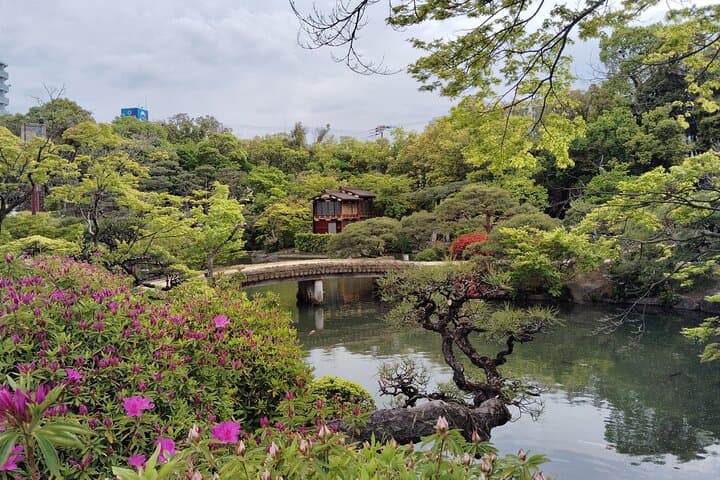
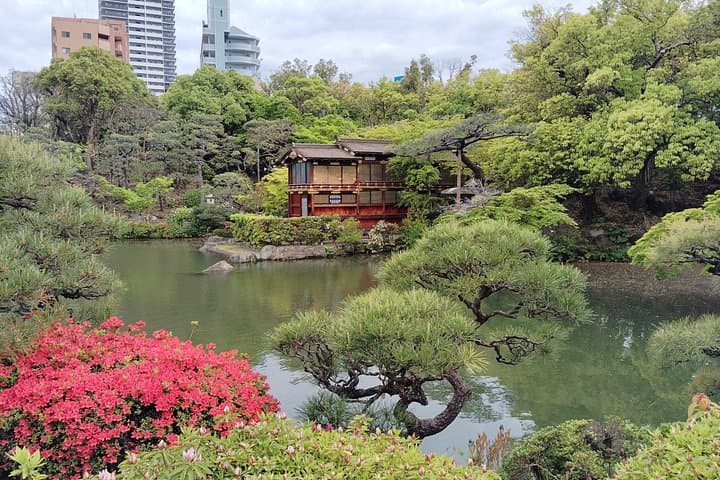
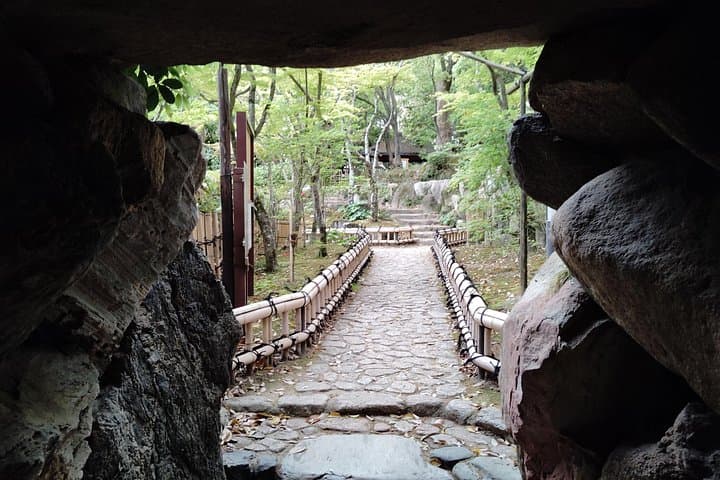
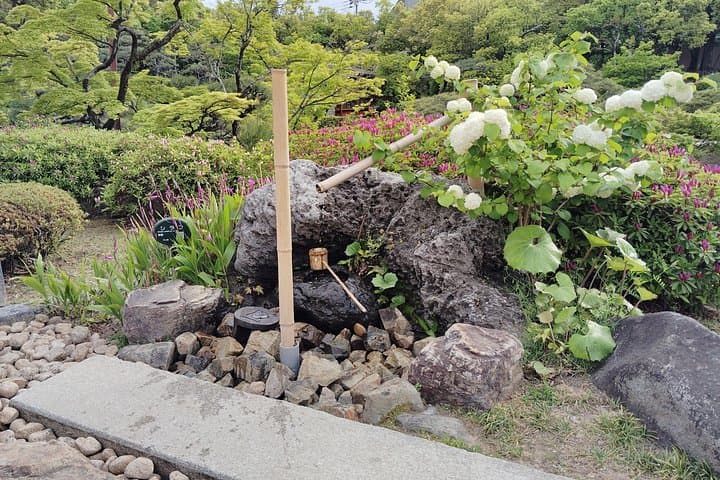
Step through the low gate and the city’s hum recedes—stone paths lead you past a central pond where carp cut lazy circles and a small waterfall keeps time. The air holds the green, slightly sweet scent of maple and azalea; your guide moves at a pace that lets you read the landscape like a page of history.
Step through the low gate and the city’s hum recedes—stone paths lead you past a central pond where carp cut lazy circles and a small waterfall keeps time. The air holds the green, slightly sweet scent of maple and azalea; your guide moves at a pace that lets you read the landscape like a page of history.
Sorakuen was laid out in the Chisen-kaiyu-shiki (pond-strolling) style, a design that choreographs views with deliberate islands, bridges, and sightlines. Structures here tell Kobe’s layered story: a tea house for quiet ceremonies, a boat-shaped pavilion once used by feudal lords, and a Western-style stable from the Meiji era that hints at Japan’s late-19th-century openness to foreign influence. Geologically the park sits on the gentle plains below the Rokko foothills—soil and water management create the ponds and small cascades that define the visit.
This guided hour is equal parts cultural primer and sensory walk: expect explanations of design principles, seasonal planting, and etiquette alongside opportunities to photograph reflective water and architectural details.
Practical guidance: the tour is short and flat—good for families and older visitors. Aim for morning or late afternoon light for the best photos and fewer crowds. Wear comfortable shoes suited to wet stone, and bring a light layer for breezy evenings. Respect signage at historic structures and follow your guide’s instructions during tea-house visits. Public transport serves the garden; allow time to orient in central Kobe if you’re coming from the station.
In sixty minutes you’ll leave with a clearer sense of Japanese garden craft and a quieter pace, ready to explore neighboring Kitano or the waterfront beyond.