THE ADVENTURE COLLECTIVE® · Independent discovery and booking for outdoor travel

Learn refined sushi technique in a hands-on Los Angeles kitchen: six courses led by a local sushi chef, focused knife work, rice mastery and modern presentation. Ideal for home cooks ready for a practical, skills-driven culinary session.
Learn refined sushi technique in a hands-on Los Angeles kitchen: six courses led by a local sushi chef, focused knife work, rice mastery and modern presentation. Ideal for home cooks ready for a practical, skills-driven culinary session.
You step through a modest storefront into a compact kitchen where rice vinegar hangs faintly in the air and the stainless counters gleam under task lights. The chef greets the small group, lays out blocks of fish caught from the Pacific, and invites you to work: a wristed flick to roll maki, a measured press for nigiri, a whisper-thin slice of sashimi.
Verified experiences and guided adventures in the surrounding area.
Operated by Cozymeal Cooking Classes · Los Angeles, California
You step through a modest storefront into a compact kitchen where rice vinegar hangs faintly in the air and the stainless counters gleam under task lights. The chef greets the small group, lays out blocks of fish caught from the Pacific, and invites you to work: a wristed flick to roll maki, a measured press for nigiri, a whisper-thin slice of sashimi.
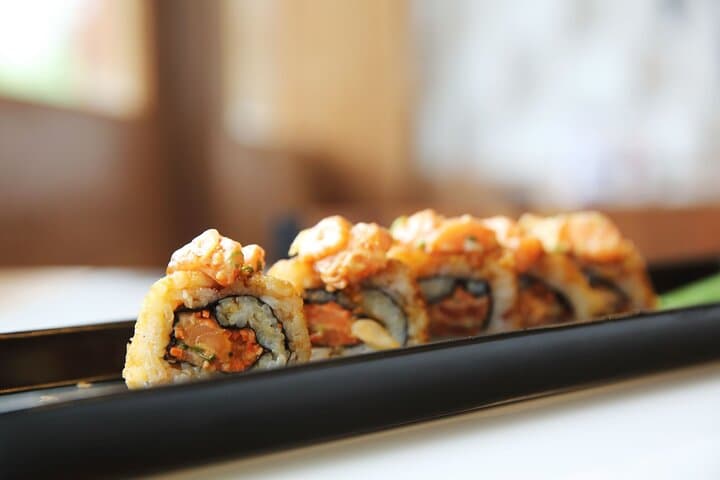
Los Angeles has been a crucible for modern American sushi since the early 20th century, when Japanese immigrants established fish markets and restaurants that adapted technique to local species. Geologically, the Pacific coastline and the cold California Current concentrate nutrient-rich waters—supporting fish like ahi, yellowtail and kelp-forest life that frequently appear on LA menus. The class situates this culinary lineage in a contemporary kitchen, teaching rice seasoning, knife work, nori handling and contemporary presentation such as inside-out rolls topped with caviar.
Culturally the experience blends precise technique with casual LA pragmatism: BYOB is common, small groups favor hands-on learning, and chefs often explain sustainable sourcing choices. Practical guidance: arrive 10–15 minutes early, wear closed-toe shoes, and expect to stand and move for roughly 2.5 hours. Let the host know dietary restrictions ahead of time—most classes will swap proteins or focus on vegetarian options if informed. Bring a small cooler if you plan to take food home and a notebook or phone to capture plating tips. This is a skills-first workshop—leave with clearer knife technique, confident rice, and the ability to recreate a six-course sushi menu back home.
easy.
2.5 hours.
No special fitness required beyond standing and light repetitive hand work for the session length
Yes—chefs supply knives, cutting boards and all ingredients necessary for the six-course menu.
Most hosts can adapt dishes for allergies or vegetarian preferences if you notify them in advance when booking.
No—this class is designed for home cooks; instructors teach foundational knife technique, rice prep and rolling methods.
Age limits vary by provider; many classes welcome teens accompanied by adults, but confirm the minimum age with the host before booking.
Japanese immigrants and fishing communities on the West Coast established the foundations of LA’s sushi culture in the early 20th century, adapting techniques to Pacific species.
Look for classes that discuss sourcing; choosing sushi made from Seafood Watch–recommended species or responsibly farmed fish helps reduce pressure on local fisheries.
Cozymeal Cooking Classes operates guided outdoor trips and adventures with an emphasis on safety, stewardship, and memorable experiences.
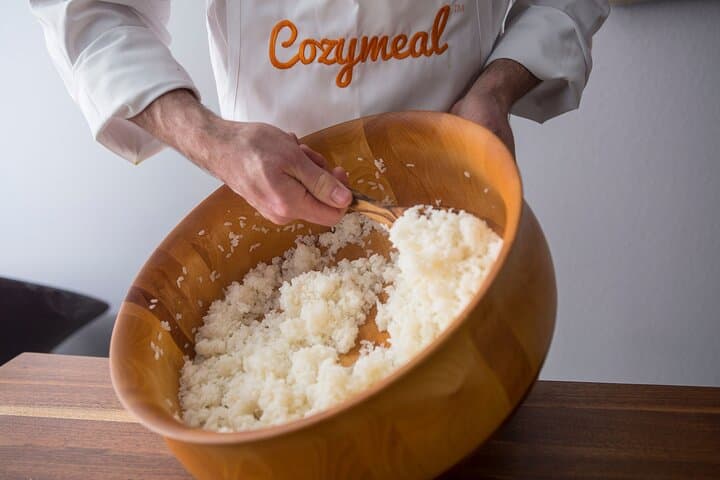
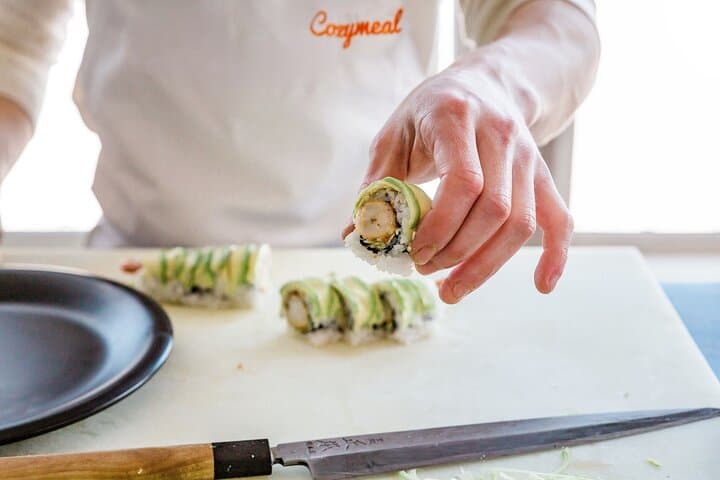
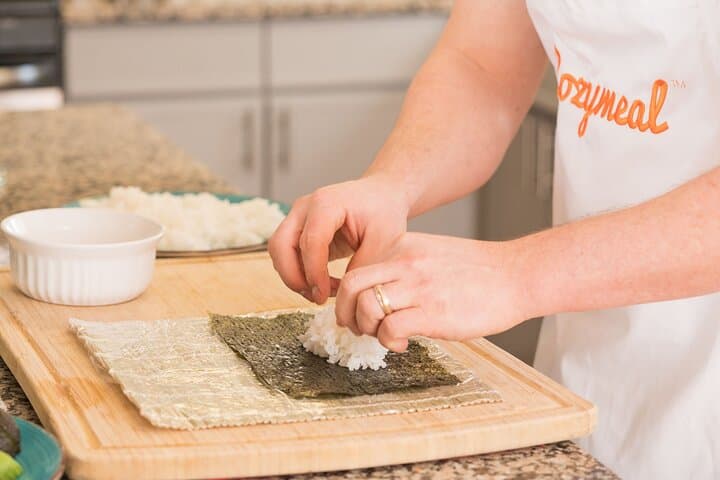
You step through a modest storefront into a compact kitchen where rice vinegar hangs faintly in the air and the stainless counters gleam under task lights. The chef greets the small group, lays out blocks of fish caught from the Pacific, and invites you to work: a wristed flick to roll maki, a measured press for nigiri, a whisper-thin slice of sashimi.
You step through a modest storefront into a compact kitchen where rice vinegar hangs faintly in the air and the stainless counters gleam under task lights. The chef greets the small group, lays out blocks of fish caught from the Pacific, and invites you to work: a wristed flick to roll maki, a measured press for nigiri, a whisper-thin slice of sashimi.
Los Angeles has been a crucible for modern American sushi since the early 20th century, when Japanese immigrants established fish markets and restaurants that adapted technique to local species. Geologically, the Pacific coastline and the cold California Current concentrate nutrient-rich waters—supporting fish like ahi, yellowtail and kelp-forest life that frequently appear on LA menus. The class situates this culinary lineage in a contemporary kitchen, teaching rice seasoning, knife work, nori handling and contemporary presentation such as inside-out rolls topped with caviar.
Culturally the experience blends precise technique with casual LA pragmatism: BYOB is common, small groups favor hands-on learning, and chefs often explain sustainable sourcing choices. Practical guidance: arrive 10–15 minutes early, wear closed-toe shoes, and expect to stand and move for roughly 2.5 hours. Let the host know dietary restrictions ahead of time—most classes will swap proteins or focus on vegetarian options if informed. Bring a small cooler if you plan to take food home and a notebook or phone to capture plating tips. This is a skills-first workshop—leave with clearer knife technique, confident rice, and the ability to recreate a six-course sushi menu back home.