THE ADVENTURE COLLECTIVE® · Independent discovery and booking for outdoor travel

Spend six hours sampling Sonoma Valley’s defining grape varieties on a private, chauffeured tour. Visit 2–4 wineries across Glen Ellen, Healdsburg and the valley floor—with reservation planning and practical tips to make the most of the day.
Spend six hours sampling Sonoma Valley’s defining grape varieties on a private, chauffeured tour. Visit 2–4 wineries across Glen Ellen, Healdsburg and the valley floor—with reservation planning and practical tips to make the most of the day.
You pull away from the city and the road opens into soft hills lined with vine rows that seem to lean toward the sun. The air changes—warmer, drier, faintly herbal—and the chauffeured vehicle hums through towns like Glen Ellen and Sonoma as the valley’s slopes come into view. Vineyards here feel like working landscapes that invite conversation: the soil, the slope, the variety.
Verified experiences and guided adventures in the surrounding area.
Operated by ALVA LIMOLUX · Sonoma, California
You pull away from the city and the road opens into soft hills lined with vine rows that seem to lean toward the sun. The air changes—warmer, drier, faintly herbal—and the chauffeured vehicle hums through towns like Glen Ellen and Sonoma as the valley’s slopes come into view. Vineyards here feel like working landscapes that invite conversation: the soil, the slope, the variety.
Sonoma Valley carries a layered history: Coast Miwok villages gave way to Spanish mission outposts in the 19th century, then to family-owned vineyards that helped define California’s wine culture. Geologically, the valley rests on sedimentary fans and alluvial soils that support distinct clonal expressions of Chardonnay, Pinot Noir, Zinfandel and sparkling grapes. Locals pair food and wine with a casual precision—picnics on winery lawns, focused tastings in barrel rooms.
Practical guidance is straightforward. Book tastings in advance—most wineries require reservations—and plan for 2–4 stops in a six‑hour window. Expect short walks on crushed-stone paths, occasional gravel driveways and steps into tasting rooms or gardens. Wear comfortable shoes and layers; coastal mornings can be cool, afternoons hot. Bring valid ID—tastings are 21+—and a credit card for purchases or extra time. Hydrate between pours; bottled water is often provided, but carrying a small refill bottle helps the day last well.
Timing matters: late morning to early afternoon avoids harvest rushes and gives clearer light for vineyard views. Treat the landscape with respect—stay on paths and follow winery guidance—and you’ll get a private, relaxed look at Sonoma’s long-standing wine craft.
easy.
6 hours.
Minimal physical exertion required; you should be able to walk short distances (up to a few hundred yards) on uneven terrain and climb short sets of steps.
No; clients are responsible for tasting fees, purchases and any restaurant charges—book and confirm reservations with each winery ahead of time.
Typically 2–4 wineries depending on distance between stops, time spent tasting, and reservations; plan with the chauffeur for the best route.
This operator provides door-to-door service; confirm pickup location and any additional transfer fees when booking.
Gratuity is not included by default—plan to tip the driver based on service quality and local norms.
Sonoma Valley was an early center of California viticulture after Mexican land grants and mission-era settlement; many modern wineries trace their roots to 19th- and 20th-century families.
Many Sonoma vineyards practice sustainable or organic farming to preserve soil health and manage water use; visitors should follow winery rules to minimize impact.
ALVA LIMOLUX operates guided outdoor trips and adventures with an emphasis on safety, stewardship, and memorable experiences.
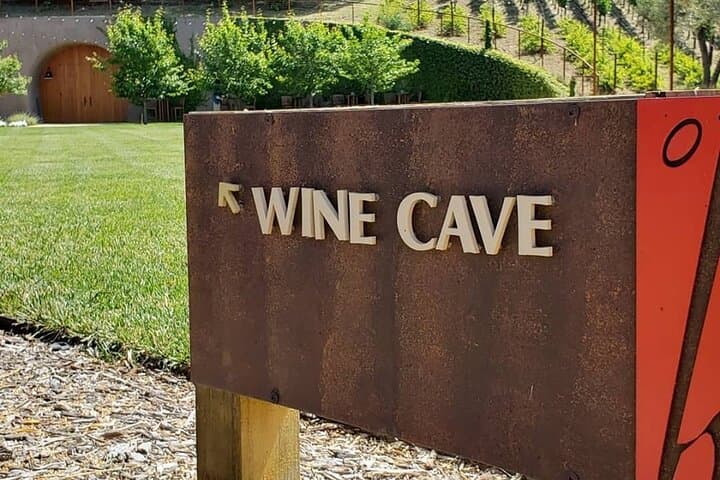
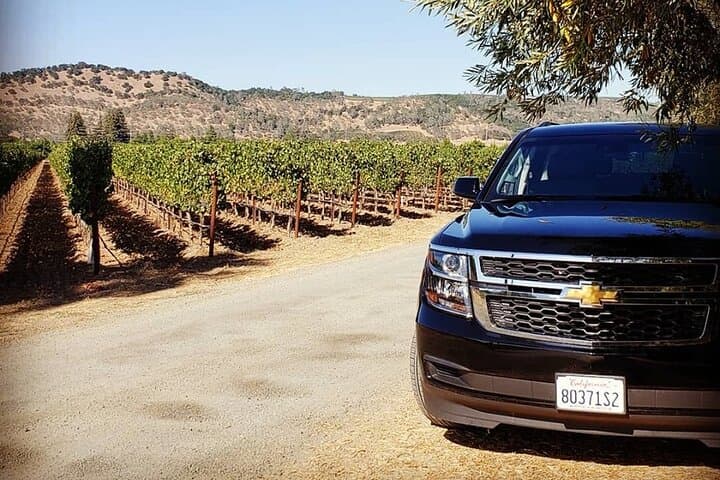
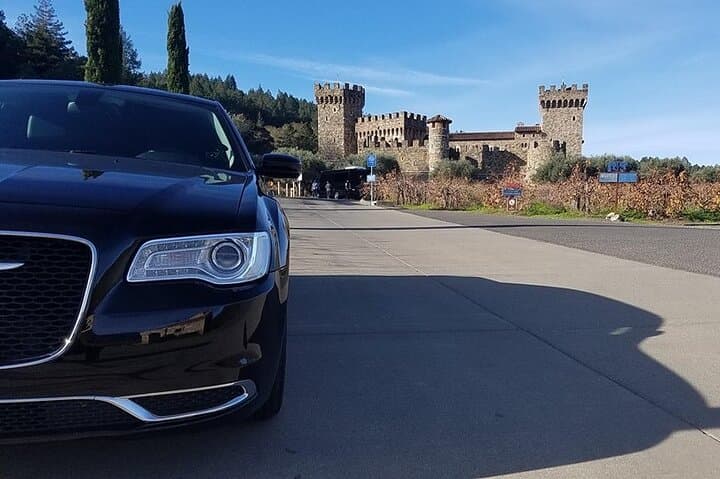
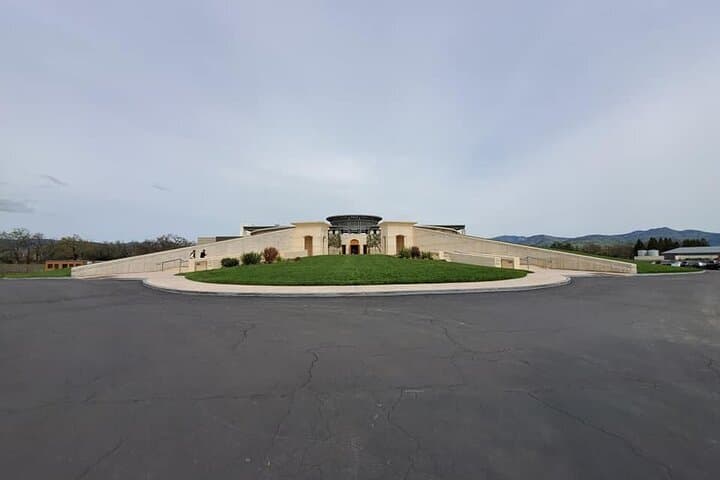
You pull away from the city and the road opens into soft hills lined with vine rows that seem to lean toward the sun. The air changes—warmer, drier, faintly herbal—and the chauffeured vehicle hums through towns like Glen Ellen and Sonoma as the valley’s slopes come into view. Vineyards here feel like working landscapes that invite conversation: the soil, the slope, the variety.
You pull away from the city and the road opens into soft hills lined with vine rows that seem to lean toward the sun. The air changes—warmer, drier, faintly herbal—and the chauffeured vehicle hums through towns like Glen Ellen and Sonoma as the valley’s slopes come into view. Vineyards here feel like working landscapes that invite conversation: the soil, the slope, the variety.
Sonoma Valley carries a layered history: Coast Miwok villages gave way to Spanish mission outposts in the 19th century, then to family-owned vineyards that helped define California’s wine culture. Geologically, the valley rests on sedimentary fans and alluvial soils that support distinct clonal expressions of Chardonnay, Pinot Noir, Zinfandel and sparkling grapes. Locals pair food and wine with a casual precision—picnics on winery lawns, focused tastings in barrel rooms.
Practical guidance is straightforward. Book tastings in advance—most wineries require reservations—and plan for 2–4 stops in a six‑hour window. Expect short walks on crushed-stone paths, occasional gravel driveways and steps into tasting rooms or gardens. Wear comfortable shoes and layers; coastal mornings can be cool, afternoons hot. Bring valid ID—tastings are 21+—and a credit card for purchases or extra time. Hydrate between pours; bottled water is often provided, but carrying a small refill bottle helps the day last well.
Timing matters: late morning to early afternoon avoids harvest rushes and gives clearer light for vineyard views. Treat the landscape with respect—stay on paths and follow winery guidance—and you’ll get a private, relaxed look at Sonoma’s long-standing wine craft.