THE ADVENTURE COLLECTIVE® · Independent discovery and booking for outdoor travel

Trade the tourist circuit for a three-hour walk through Songpa’s lake, parkland, and Lotte World Tower precinct. This local-focused tour blends city parks, Olympic-era history, and lakeside photo spots for an accessible urban outing.
Trade the tourist circuit for a three-hour walk through Songpa’s lake, parkland, and Lotte World Tower precinct. This local-focused tour blends city parks, Olympic-era history, and lakeside photo spots for an accessible urban outing.
You step off the subway into humid city air and a quieter rhythm — glass towers recede and broad, planted promenades take over. The guide leads you past cyclists and joggers, the city’s pulse giving way to willow-lined paths along Seokchon Lake and the wide lawns of Seoul Olympic Park. Light filters through planted ginkgo rows; commuters become strollers and café regulars.
Verified experiences and guided adventures in the surrounding area.
Operated by Song-pa tour · Seoul, Seoul
You step off the subway into humid city air and a quieter rhythm — glass towers recede and broad, planted promenades take over. The guide leads you past cyclists and joggers, the city’s pulse giving way to willow-lined paths along Seokchon Lake and the wide lawns of Seoul Olympic Park. Light filters through planted ginkgo rows; commuters become strollers and café regulars.
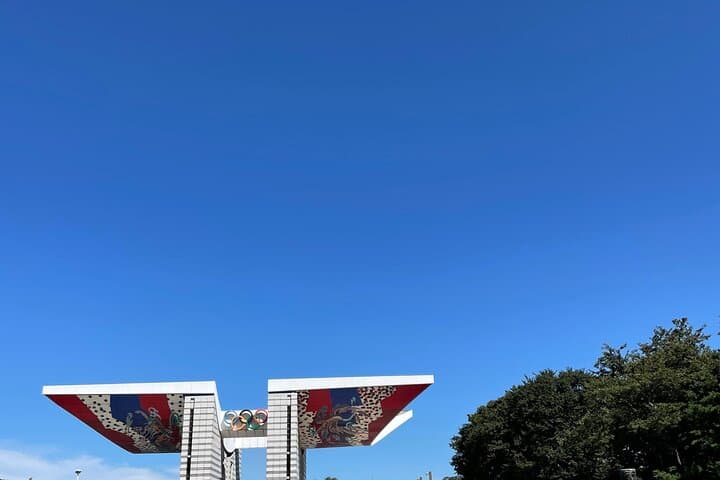
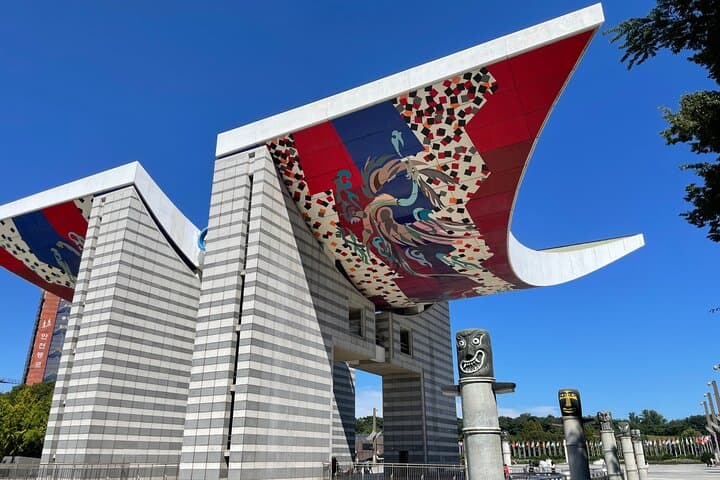
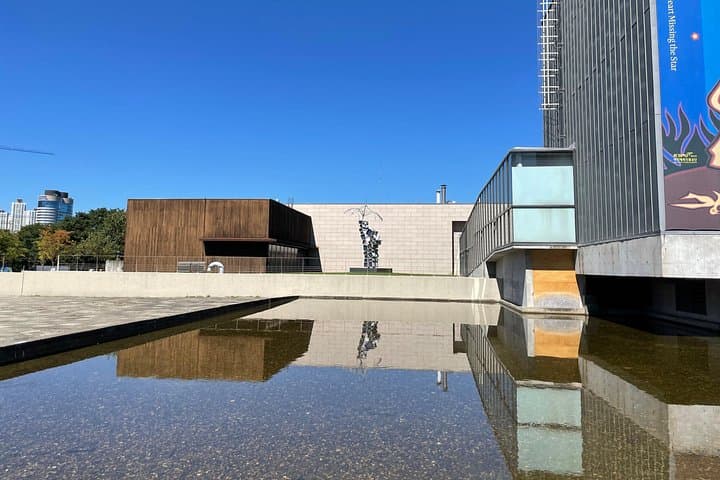
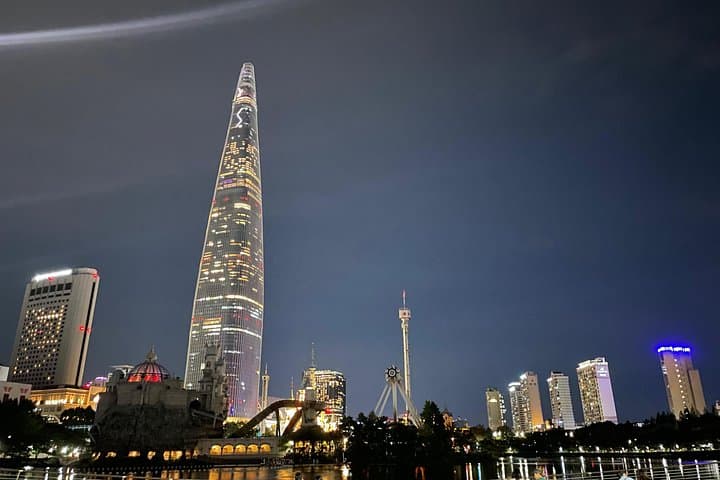
Songpa’s streets and green spaces are modern overlays on an older story. The Olympic Park was built for the 1988 Games and now holds monuments, open-air sculpture, and the Seoul Baekje Museum that traces the area’s ancient Baekje-era settlements. Seokchon Lake is a man-made basin that quickly became a local fixture for exercise and cherry-blossom viewing. Lotte World Tower — 123 floors of commerce and viewing platforms — punctuates the skyline and offers a counterpoint to the park’s low, open horizons.
Geologically the district sits on the Han River plain with urban fill and landscaped terraces replacing the original lowland bedrock; that makes paths broad and largely flat, suitable for steady walking rather than steep hiking. Culturally you’ll notice neighborhoods that balance convenience-store culture, cafés, and late-night eateries popular with locals rather than tourists.
Practical guidance: plan 2–3 hours, wear comfortable walking shoes, and bring a transit card for easy returns. Spring evenings mean cherry blossoms and crowds; aim for early mornings to avoid peak foot traffic. Hydrate—there are cafés en route—and allow time to browse a mall café or the Baekje Museum if you want a quieter detour.
moderate.
2–3 hours.
Moderate—comfortable walking ability for continuous 2–3 hour periods with short breaks
The tour runs about 2–3 hours and covers mostly flat, paved paths around Seokchon Lake and Olympic Park—expect 4–6 kilometers depending on stops.
Major paths around Seokchon Lake and Olympic Park are paved and generally accessible; check with the operator about specific mobility needs.
The itinerary usually passes the tower and malls without entering paid observation areas; guides can provide tips for visiting afterward.
Confirm language availability at booking; many local private tours are offered in English and Korean, but verify for other languages.
Songpa blends modern development with ancient roots—nearby Baekje archaeological sites predate Seoul’s modern expansion, and the Olympic Park preserves the 1988 Games’ legacy.
Local groups and the city maintain park cleanliness and water-quality projects at Seokchon Lake; visitors are asked to carry out trash and avoid disturbing nesting birds.
Song-pa tour operates guided outdoor trips and adventures with an emphasis on safety, stewardship, and memorable experiences.
You step off the subway into humid city air and a quieter rhythm — glass towers recede and broad, planted promenades take over. The guide leads you past cyclists and joggers, the city’s pulse giving way to willow-lined paths along Seokchon Lake and the wide lawns of Seoul Olympic Park. Light filters through planted ginkgo rows; commuters become strollers and café regulars.
You step off the subway into humid city air and a quieter rhythm — glass towers recede and broad, planted promenades take over. The guide leads you past cyclists and joggers, the city’s pulse giving way to willow-lined paths along Seokchon Lake and the wide lawns of Seoul Olympic Park. Light filters through planted ginkgo rows; commuters become strollers and café regulars.
Songpa’s streets and green spaces are modern overlays on an older story. The Olympic Park was built for the 1988 Games and now holds monuments, open-air sculpture, and the Seoul Baekje Museum that traces the area’s ancient Baekje-era settlements. Seokchon Lake is a man-made basin that quickly became a local fixture for exercise and cherry-blossom viewing. Lotte World Tower — 123 floors of commerce and viewing platforms — punctuates the skyline and offers a counterpoint to the park’s low, open horizons.
Geologically the district sits on the Han River plain with urban fill and landscaped terraces replacing the original lowland bedrock; that makes paths broad and largely flat, suitable for steady walking rather than steep hiking. Culturally you’ll notice neighborhoods that balance convenience-store culture, cafés, and late-night eateries popular with locals rather than tourists.
Practical guidance: plan 2–3 hours, wear comfortable walking shoes, and bring a transit card for easy returns. Spring evenings mean cherry blossoms and crowds; aim for early mornings to avoid peak foot traffic. Hydrate—there are cafés en route—and allow time to browse a mall café or the Baekje Museum if you want a quieter detour.