THE ADVENTURE COLLECTIVE® · Independent discovery and booking for outdoor travel

Spend a day learning South Africa’s Wine of Origin system with a WSET-certified instructor. Vineyard walks, guided tastings, and a light seasonal lunch in Stellenbosch give practical skills and a deeper sense of place.
Spend a day learning South Africa’s Wine of Origin system with a WSET-certified instructor. Vineyard walks, guided tastings, and a light seasonal lunch in Stellenbosch give practical skills and a deeper sense of place.
A cool morning in Stellenbosch opens with the smell of coffee and the soft geometry of vine rows cutting across low, folded mountains. Participants gather at Deluxe Coffeeworks Smidswinkel, then slip into a day that moves from classroom to vineyard and back again—walking soils that have shaped varietals and tasting rooms that refine them.
Verified experiences and guided adventures in the surrounding area.
Operated by Marinus · Stellenbosch, Western Cape
A cool morning in Stellenbosch opens with the smell of coffee and the soft geometry of vine rows cutting across low, folded mountains. Participants gather at Deluxe Coffeeworks Smidswinkel, then slip into a day that moves from classroom to vineyard and back again—walking soils that have shaped varietals and tasting rooms that refine them.
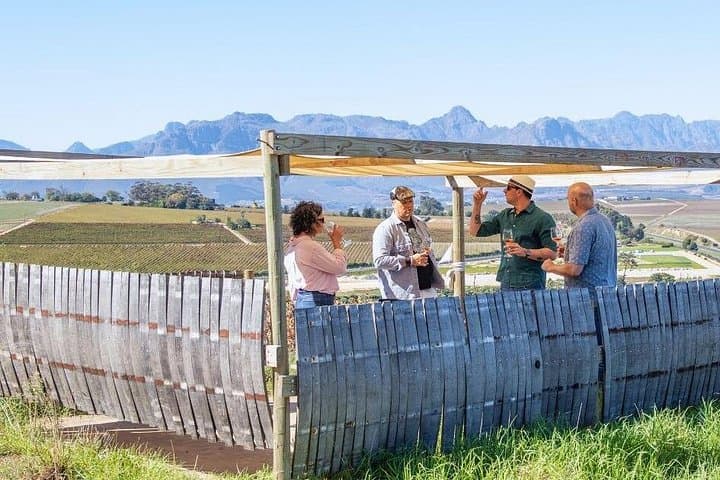
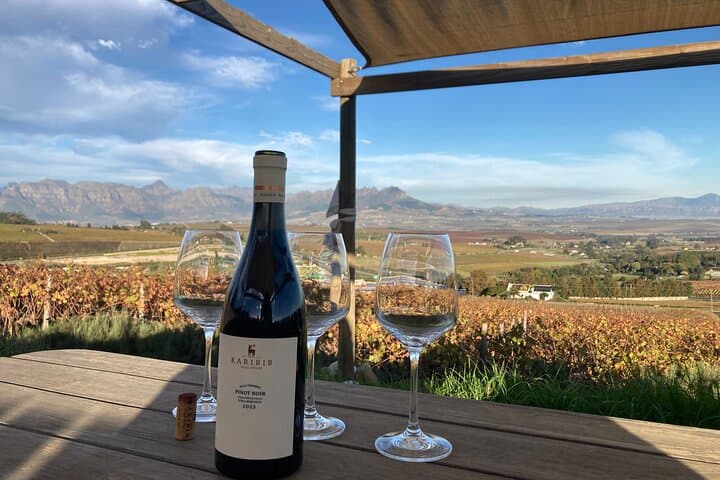
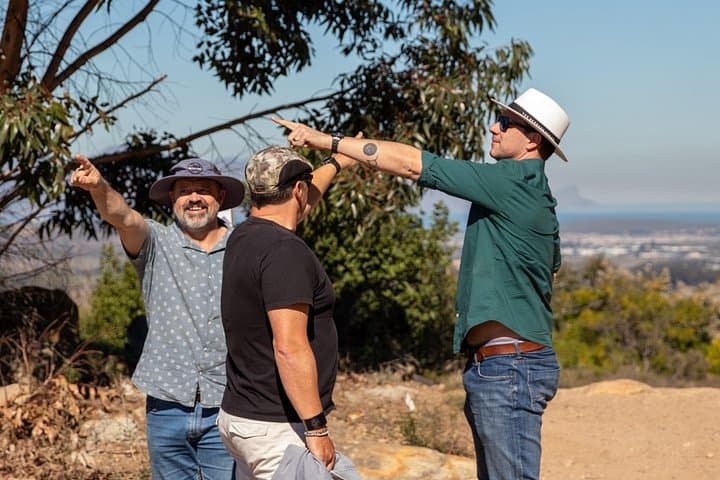
The Cape Winelands sit on soils laid down by ancient seas and shaped by fynbos-clad slopes; Stellenbosch itself dates to the 17th century and grew alongside South Africa’s wine industry. The Wine of Origin system, introduced in the 1970s, frames the day’s lessons: appellations, terroir, and why ocean breezes and granite slopes matter. In the vineyard at Karibib and later at Super Single Vineyard, a WSET 3 and CWA-certified instructor explains vine anatomy, pruning logic, and how microclimates nudge flavour profiles.
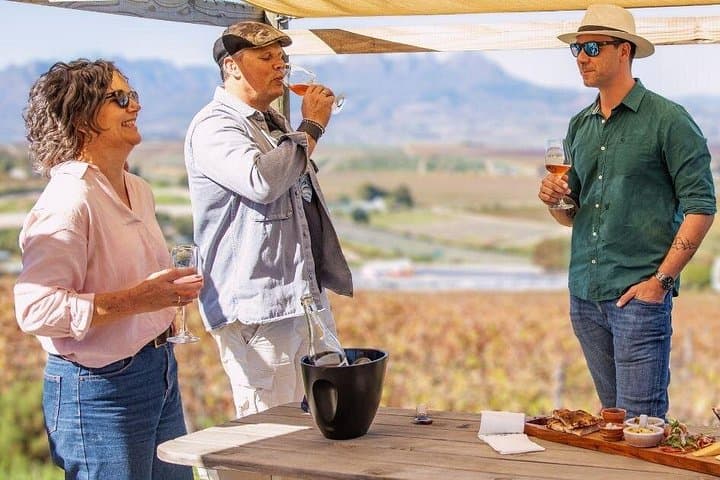
Tastings emphasize practical technique—appearance, aroma, palate, and common faults—while a light seasonal lunch anchors the afternoon before a service-and-tasting session. The experience balances sensory training with context: geology, local grape varieties, and the craft of maturation.
Practical guidance: expect 4–6 hours on gentle terrain, comfortable walking shoes, sun protection, and an awareness that tastings are alcoholic and intended for guests 18+. Private transport returns you to Stellenbosch mid-afternoon; bring questions, note-taking tools, and a readiness to slow your pace and let the wines tell their story.
easy.
4–6 hours.
Suitable for most fitness levels—expect gentle walking over uneven vineyard paths.
The program runs approximately 4–6 hours, typically starting at 11:00 and ending mid-afternoon with return transport to Stellenbosch.
No—sessions are suitable for curious beginners and enthusiasts; instruction is practical and paced for all levels.
Yes—guided tastings of local varietals and a light seasonal lunch are included in the price.
Participants must be 18 years or older to take part in the wine tasting elements.
Stellenbosch was founded in 1679 and became a center of Cape viticulture; the Wine of Origin system formalized regional identities in the late 20th century.
The Winelands face seasonal droughts; many estates use water-wise viticulture and encourage responsible tasting practices to reduce waste.
Marinus operates guided outdoor trips and adventures with an emphasis on safety, stewardship, and memorable experiences.
A cool morning in Stellenbosch opens with the smell of coffee and the soft geometry of vine rows cutting across low, folded mountains. Participants gather at Deluxe Coffeeworks Smidswinkel, then slip into a day that moves from classroom to vineyard and back again—walking soils that have shaped varietals and tasting rooms that refine them.
A cool morning in Stellenbosch opens with the smell of coffee and the soft geometry of vine rows cutting across low, folded mountains. Participants gather at Deluxe Coffeeworks Smidswinkel, then slip into a day that moves from classroom to vineyard and back again—walking soils that have shaped varietals and tasting rooms that refine them.
The Cape Winelands sit on soils laid down by ancient seas and shaped by fynbos-clad slopes; Stellenbosch itself dates to the 17th century and grew alongside South Africa’s wine industry. The Wine of Origin system, introduced in the 1970s, frames the day’s lessons: appellations, terroir, and why ocean breezes and granite slopes matter. In the vineyard at Karibib and later at Super Single Vineyard, a WSET 3 and CWA-certified instructor explains vine anatomy, pruning logic, and how microclimates nudge flavour profiles.
Tastings emphasize practical technique—appearance, aroma, palate, and common faults—while a light seasonal lunch anchors the afternoon before a service-and-tasting session. The experience balances sensory training with context: geology, local grape varieties, and the craft of maturation.
Practical guidance: expect 4–6 hours on gentle terrain, comfortable walking shoes, sun protection, and an awareness that tastings are alcoholic and intended for guests 18+. Private transport returns you to Stellenbosch mid-afternoon; bring questions, note-taking tools, and a readiness to slow your pace and let the wines tell their story.