THE ADVENTURE COLLECTIVE® · Independent discovery and booking for outdoor travel

Turn Groningen into a crime scene and your phone into an investigation kit. This self-guided City Detective game sends teams through the university quarter and city centre to solve puzzles, discover hidden courtyards and learn local stories at their own pace.
Turn Groningen into a crime scene and your phone into an investigation kit. This self-guided City Detective game sends teams through the university quarter and city centre to solve puzzles, discover hidden courtyards and learn local stories at their own pace.
The cobblestones echo underfoot as Groningen’s canals and gabled facades step into view — here the city itself becomes a set.
Verified experiences and guided adventures in the surrounding area.
Operated by Qugato - City Game Adventures · Groningen, Groningen
The cobblestones echo underfoot as Groningen’s canals and gabled facades step into view — here the city itself becomes a set.
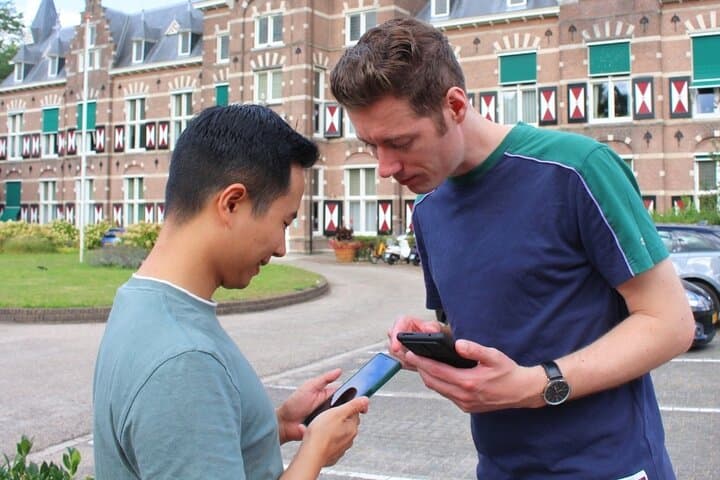
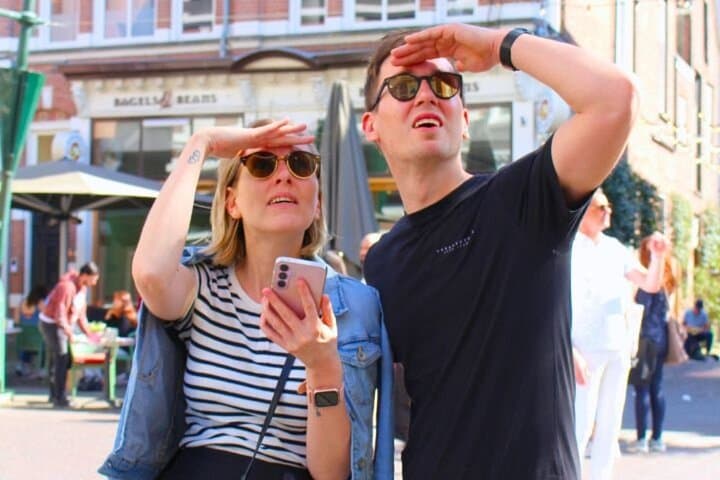
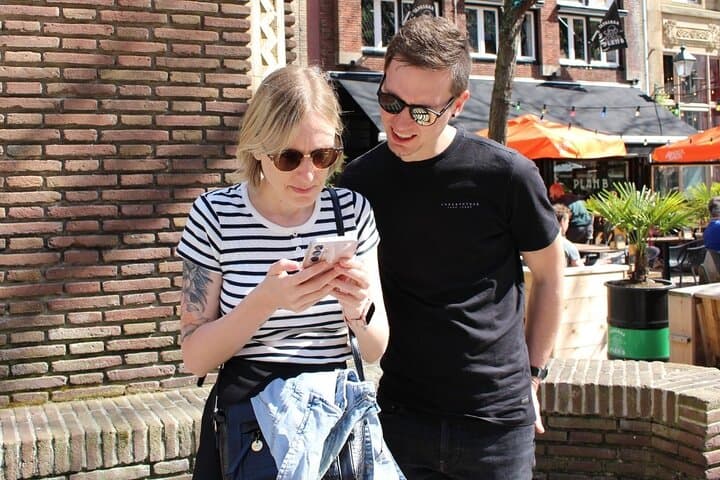
Players start at their own pace, smartphone in hand, and follow clues that thread through the University quarter, market squares and quieter lanes. The game stages a fictional murder of a respected scientist, and each puzzle nudges you toward historic lecture halls, stately canals and lesser-known courtyards where local details do the talking.
Groningen’s roots go back to medieval trading and university scholarship; the University of Groningen (founded 1614) frames much of the route and lends academic color to the mystery. Geologically the area sits on low-lying clay and peat; canals and dikes shaped the city’s expansion and give many routes an intimate, water-lined feel. Cultural life here leans youthful — cafes, student-run exhibitions and impromptu performances spill into public space.
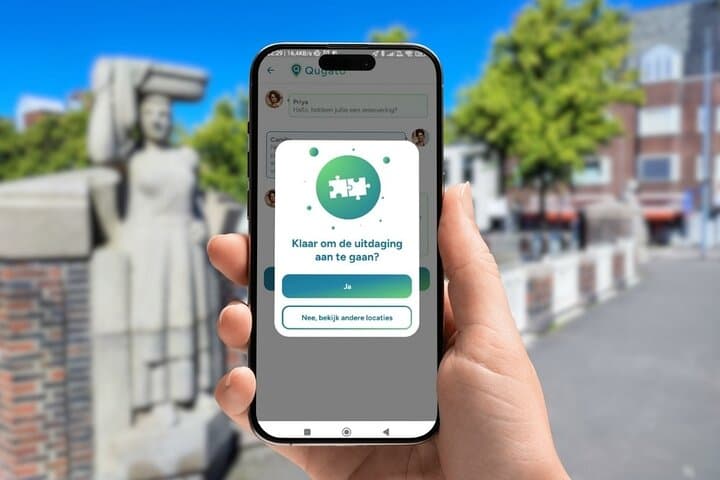
Practically, the game is flexible: you can start, pause and resume on your schedule using the Qugato app. Expect about two hours of walking across mostly flat, paved terrain with frequent stops to read clues and inspect façades. Comfortable shoes, a charged phone and a light jacket handle most conditions. Aim for mornings or late afternoons to avoid market crowds and to catch softer light on the canals.
This activity suits families, friend groups or small teams looking for playful competition, local history, and a walking tour that rewards curiosity; it’s low-impact, accessible and easily tailored to your pace.
easy.
2–3 hours.
Minimal fitness required — comfortable walking ability for a few hours and short standing intervals.
After booking you'll receive login credentials for up to six devices; open the Qugato app or link, enter the code, and begin at the suggested start point when ready.
Most central streets are paved and stroller-friendly; however, some narrow alleys and cobbled sections may be challenging for wider wheelchairs — plan a slightly longer route time.
Yes — the self-guided format allows you to stop, take breaks, and resume later without losing progress.
The app provides hints and backtracking options; teams can also skip puzzles and return later if they prefer to keep moving.
Groningen grew from a medieval trade hub into a university city after the University of Groningen was founded in 1614, shaping much of its architecture and cultural life.
The city promotes low-impact travel: walking and cycling are primary transport modes, so this self-guided walk has a small environmental footprint; respect private courtyards and avoid trampling greens.
Qugato - City Game Adventures operates guided outdoor trips and adventures with an emphasis on safety, stewardship, and memorable experiences.
The cobblestones echo underfoot as Groningen’s canals and gabled facades step into view — here the city itself becomes a set.
The cobblestones echo underfoot as Groningen’s canals and gabled facades step into view — here the city itself becomes a set.
Players start at their own pace, smartphone in hand, and follow clues that thread through the University quarter, market squares and quieter lanes. The game stages a fictional murder of a respected scientist, and each puzzle nudges you toward historic lecture halls, stately canals and lesser-known courtyards where local details do the talking.
Groningen’s roots go back to medieval trading and university scholarship; the University of Groningen (founded 1614) frames much of the route and lends academic color to the mystery. Geologically the area sits on low-lying clay and peat; canals and dikes shaped the city’s expansion and give many routes an intimate, water-lined feel. Cultural life here leans youthful — cafes, student-run exhibitions and impromptu performances spill into public space.
Practically, the game is flexible: you can start, pause and resume on your schedule using the Qugato app. Expect about two hours of walking across mostly flat, paved terrain with frequent stops to read clues and inspect façades. Comfortable shoes, a charged phone and a light jacket handle most conditions. Aim for mornings or late afternoons to avoid market crowds and to catch softer light on the canals.
This activity suits families, friend groups or small teams looking for playful competition, local history, and a walking tour that rewards curiosity; it’s low-impact, accessible and easily tailored to your pace.