THE ADVENTURE COLLECTIVE® · Independent discovery and booking for outdoor travel

Follow clues through Lüneburg’s brick-gothic streets on a self-guided scavenger hunt that links puzzles to historic sights. Walk at your own pace, learn about the salt trade, and discover lesser-known corners of the old town.
Follow clues through Lüneburg’s brick-gothic streets on a self-guided scavenger hunt that links puzzles to historic sights. Walk at your own pace, learn about the salt trade, and discover lesser-known corners of the old town.
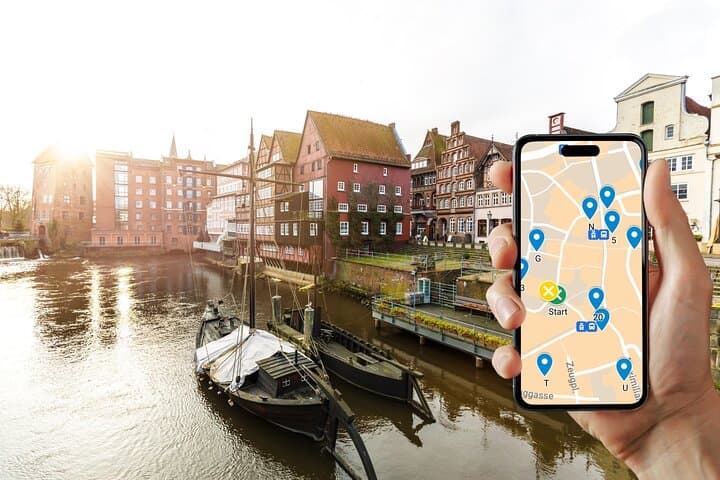
You step off the train into a square of brick and slate; the Ilmenau nudges the quay and the air tastes faintly of salt—echoes of an industry that shaped this town for a thousand years.
Verified experiences and guided adventures in the surrounding area.
Operated by Hint-Caching · Lüneburg, Lower Saxony
You step off the train into a square of brick and slate; the Ilmenau nudges the quay and the air tastes faintly of salt—echoes of an industry that shaped this town for a thousand years.
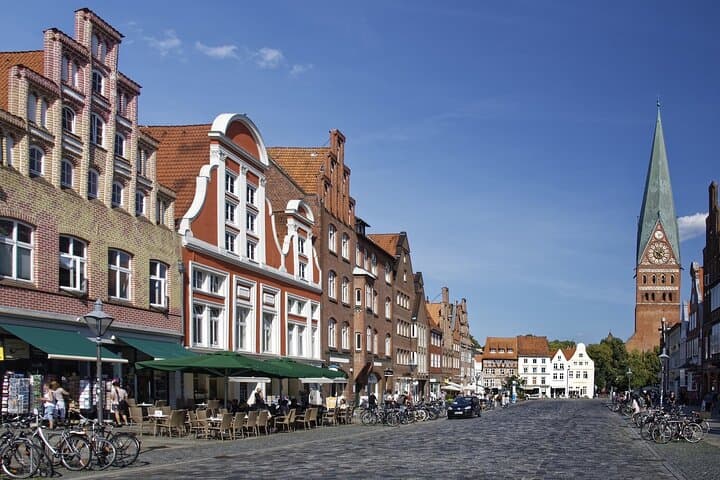
This self-guided scavenger hunt threads through Lüneburg’s Old Town, from St. John’s Church past the ornate gables of Am Sande to the Old Crane on the river. The game ties each puzzle to a sight, so architecture becomes clue and cobbled alleys become a timing mechanism.
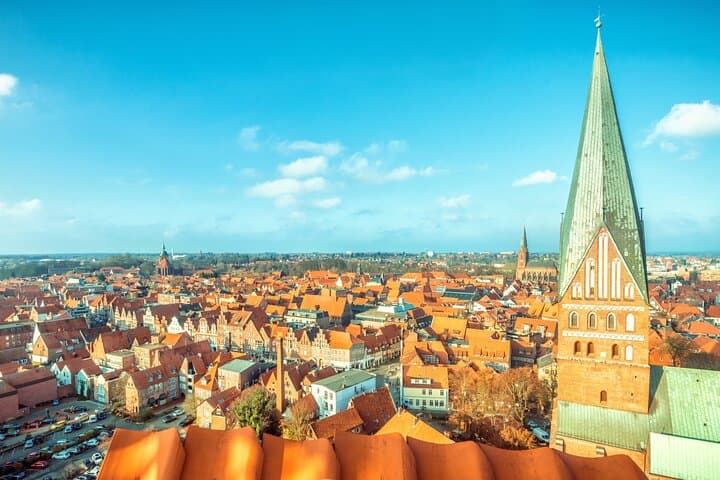
Lüneburg’s origin is geological and economic: buried salt beds fed evaporation ponds, and the town’s wealth flowed through the Hanseatic salt trade. Brick Gothic facades and timber-framed houses carry that history; later layers include river commerce along the Ilmenau and a compact medieval street plan that invites exploration.
Expect close-up cultural touches—old apothecaries, market squares, and discreet plaques—woven into a narrative about “The Breakthrough – Source of Life.” The route is mostly flat, often cobbled, suitable for casual walkers; signage is urban, not alpine, and puzzles resolve with photos and text on your phone.
Practical guide: allow 2–3 hours, wear grippy shoes for uneven stones, and keep your phone charged—this is a mobile-native game. Start anytime; the ticket links the game website (no download). It’s wheelchair and stroller accessible on main streets but some narrow alleys and steps may require small detours. Morning starts avoid tour groups; evenings soften the light across brick and make the riverfront feel quieter.
Take the game as a modular city walk—part guided story, part independent exploration—and plan meals or museum stops around it to stretch the experience into a full-day cultural outing.
easy.
2–3 hours.
Basic walking fitness—able to walk 2–4 miles on mostly flat, cobbled streets; comfortable standing for short periods.
You can start anywhere in the defined route; the booking confirmation provides a map and suggested starting point near the town center and train station.
The scavenger hunt is available in German and English via the game website linked in your confirmation.
Main streets and most sights are wheelchair accessible, but some narrow alleys or historical spots may require brief detours—plan accordingly.
Recommended group size is 1–6 per team; larger parties (up to 50) should split into multiple teams for a better experience.
Lüneburg grew prosperous in the Middle Ages on salt—sometimes called 'white gold'—exported across the Hanseatic network; that wealth financed its brick-gothic townscape.
Preserve fragile historic facades by following marked paths, avoid climbing on monuments, and support local cafes and museums to sustain heritage conservation.
Hint-Caching operates guided outdoor trips and adventures with an emphasis on safety, stewardship, and memorable experiences.

You step off the train into a square of brick and slate; the Ilmenau nudges the quay and the air tastes faintly of salt—echoes of an industry that shaped this town for a thousand years.
You step off the train into a square of brick and slate; the Ilmenau nudges the quay and the air tastes faintly of salt—echoes of an industry that shaped this town for a thousand years.
This self-guided scavenger hunt threads through Lüneburg’s Old Town, from St. John’s Church past the ornate gables of Am Sande to the Old Crane on the river. The game ties each puzzle to a sight, so architecture becomes clue and cobbled alleys become a timing mechanism.
Lüneburg’s origin is geological and economic: buried salt beds fed evaporation ponds, and the town’s wealth flowed through the Hanseatic salt trade. Brick Gothic facades and timber-framed houses carry that history; later layers include river commerce along the Ilmenau and a compact medieval street plan that invites exploration.
Expect close-up cultural touches—old apothecaries, market squares, and discreet plaques—woven into a narrative about “The Breakthrough – Source of Life.” The route is mostly flat, often cobbled, suitable for casual walkers; signage is urban, not alpine, and puzzles resolve with photos and text on your phone.
Practical guide: allow 2–3 hours, wear grippy shoes for uneven stones, and keep your phone charged—this is a mobile-native game. Start anytime; the ticket links the game website (no download). It’s wheelchair and stroller accessible on main streets but some narrow alleys and steps may require small detours. Morning starts avoid tour groups; evenings soften the light across brick and make the riverfront feel quieter.
Take the game as a modular city walk—part guided story, part independent exploration—and plan meals or museum stops around it to stretch the experience into a full-day cultural outing.