THE ADVENTURE COLLECTIVE® · Independent discovery and booking for outdoor travel

Visit Sololá’s bustling Tuesday and Thursday market for an immersive Mayan cultural experience near Lake Atitlán. Expect vibrant textiles, fresh highland produce, and local Kakchiquel-language exchanges—with practical tips for navigating vendors and transport.
Visit Sololá’s bustling Tuesday and Thursday market for an immersive Mayan cultural experience near Lake Atitlán. Expect vibrant textiles, fresh highland produce, and local Kakchiquel-language exchanges—with practical tips for navigating vendors and transport.
You arrive before the rush, stepping down cobbled streets into a square that unfolds like a living map—stalls of woven textiles, crates of highland potatoes, and women in embroidered cortes who trade in the Kakchiquel language. The air tastes of ground corn and damp earth; the market’s rhythm pushes you forward, a steady commerce of negotiation and neighborly banter.
Verified experiences and guided adventures in the surrounding area.
Operated by Tours / Activities SA ((T&ASA)) · Sololá, Sololá Department
You arrive before the rush, stepping down cobbled streets into a square that unfolds like a living map—stalls of woven textiles, crates of highland potatoes, and women in embroidered cortes who trade in the Kakchiquel language. The air tastes of ground corn and damp earth; the market’s rhythm pushes you forward, a steady commerce of negotiation and neighborly banter.
Sololá sits on a ridge above Lake Atitlán, a place shaped by volcanic uplift and long human presence. The market traces colonial-era town planning layered over pre-Columbian trade routes; it’s where Maya communities from nearby villages converge on Tuesdays and Thursdays to sell produce, textiles and pottery. The market’s geology—cracked volcanic soils and steep terraces—explains the diversity of goods: highland vegetables, coffee, and hand-dyed wool.
Culturally, the market is both economic hub and social stage. Expect to hear Kakchiquel, see traditional dress, and witness barter that follows generations-old customs. Local artisans often work in small cooperatives; buying directly supports those micro-economies.
Practical guidance: mornings are best for variety and cooler temperatures; bring small bills and coins for purchases, and wear non-slip shoes for uneven stones. The tour runs about five hours with shared Guatemalan-style transfers and a typical lunch (pepian) included. Accessibility is generally good, but bring sun protection and a reusable bag to reduce plastic waste. Move deliberately, observe respectfully, and let the market’s pace teach you how trade and culture intertwine in the Guatemalan highlands.
easy.
5–6 hours.
Suitable for most fitness levels; requires standing and walking on uneven cobbles for several hours
Sololá’s main market days are Tuesday and Thursday; those are the richest days for variety and vendors.
The tour notes report wheelchair-accessible options and transfers, but remember market streets can be narrow and uneven—check in advance for specific accessibility arrangements.
Yes—typical lunch (pepian) and a beverage are included in the tour package.
Most vendors accept cash only; small local shops may take cards, so bring enough cash for purchases and tips.
Sololá has long been an indigenous highland center; the market continues traditions where Kakchiquel-speaking communities trade goods and social ties across the region.
Buy directly from artisans and choose reusable bags to support local economies and reduce single-use plastics; avoid disturbing roadside wildlife and respect closed or private areas.
Tours / Activities SA ((T&ASA)) operates guided outdoor trips and adventures with an emphasis on safety, stewardship, and memorable experiences.
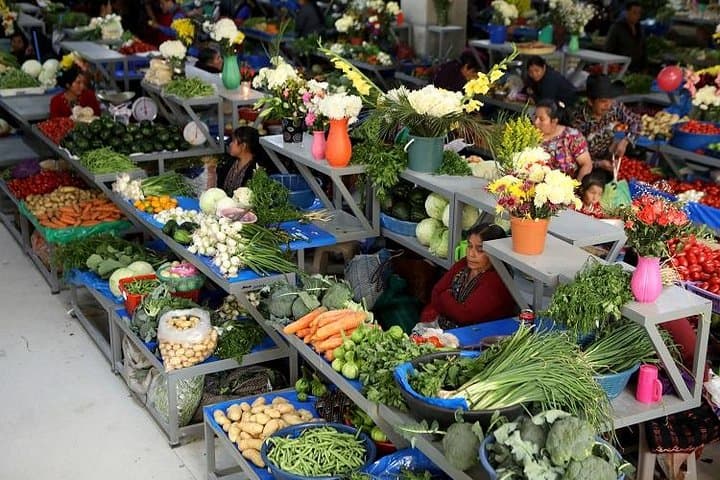
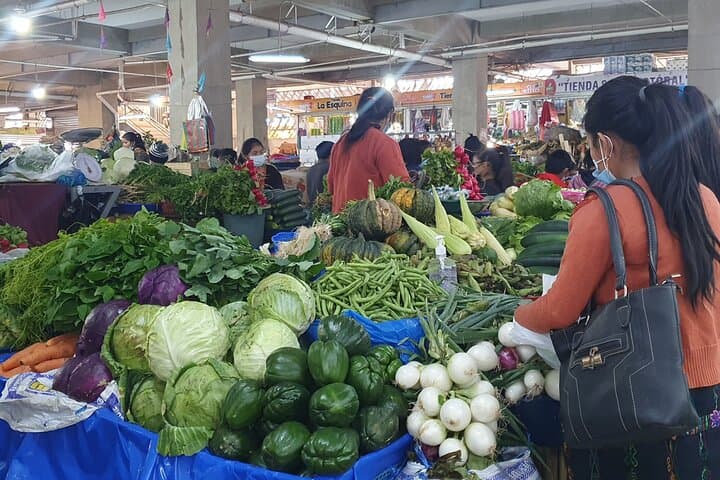
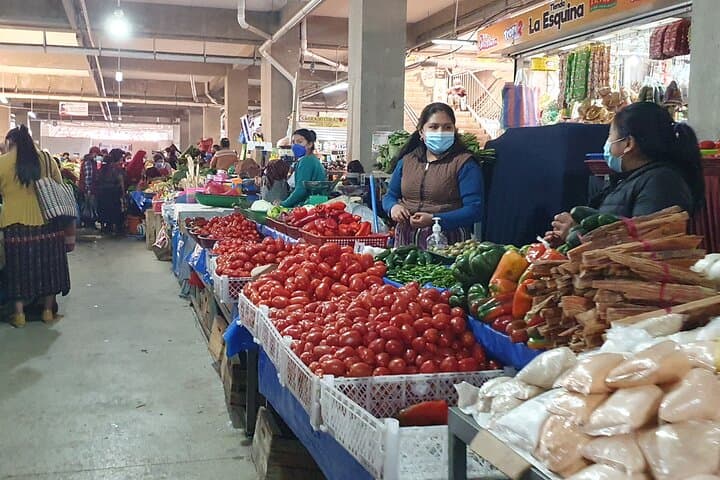
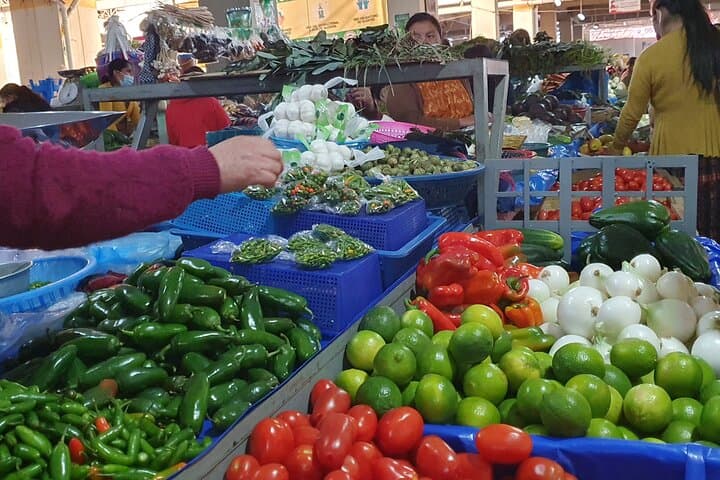
You arrive before the rush, stepping down cobbled streets into a square that unfolds like a living map—stalls of woven textiles, crates of highland potatoes, and women in embroidered cortes who trade in the Kakchiquel language. The air tastes of ground corn and damp earth; the market’s rhythm pushes you forward, a steady commerce of negotiation and neighborly banter.
You arrive before the rush, stepping down cobbled streets into a square that unfolds like a living map—stalls of woven textiles, crates of highland potatoes, and women in embroidered cortes who trade in the Kakchiquel language. The air tastes of ground corn and damp earth; the market’s rhythm pushes you forward, a steady commerce of negotiation and neighborly banter.
Sololá sits on a ridge above Lake Atitlán, a place shaped by volcanic uplift and long human presence. The market traces colonial-era town planning layered over pre-Columbian trade routes; it’s where Maya communities from nearby villages converge on Tuesdays and Thursdays to sell produce, textiles and pottery. The market’s geology—cracked volcanic soils and steep terraces—explains the diversity of goods: highland vegetables, coffee, and hand-dyed wool.
Culturally, the market is both economic hub and social stage. Expect to hear Kakchiquel, see traditional dress, and witness barter that follows generations-old customs. Local artisans often work in small cooperatives; buying directly supports those micro-economies.
Practical guidance: mornings are best for variety and cooler temperatures; bring small bills and coins for purchases, and wear non-slip shoes for uneven stones. The tour runs about five hours with shared Guatemalan-style transfers and a typical lunch (pepian) included. Accessibility is generally good, but bring sun protection and a reusable bag to reduce plastic waste. Move deliberately, observe respectfully, and let the market’s pace teach you how trade and culture intertwine in the Guatemalan highlands.