THE ADVENTURE COLLECTIVE® · Independent discovery and booking for outdoor travel

Train to dive independently off Auckland with SDI’s Solo Diver Course: online theory plus two tank dives and full gear hire. Gain the planning, redundant-equipment skills and emergency procedures needed for self-reliant diving and underwater photography.
Train to dive independently off Auckland with SDI’s Solo Diver Course: online theory plus two tank dives and full gear hire. Gain the planning, redundant-equipment skills and emergency procedures needed for self-reliant diving and underwater photography.
Mist lifts off the Hauraki Gulf as the dive boat eases away from Auckland’s waterfront. Salt stings the air and the sea pulls at the hull like a willing teacher; the Solo Diver Course takes that pull and turns it into disciplined independence. Over online theory and two 1‑tank dives (with full gear hire), experienced recreational divers learn to plan, equip and execute dives without a buddy—skills that matter whether you’re framing a low-light reef shot or supervising an inexperienced child underwater.
Verified experiences and guided adventures in the surrounding area.
Operated by New Zealand Diving Ltd · Auckland, Auckland
Mist lifts off the Hauraki Gulf as the dive boat eases away from Auckland’s waterfront. Salt stings the air and the sea pulls at the hull like a willing teacher; the Solo Diver Course takes that pull and turns it into disciplined independence. Over online theory and two 1‑tank dives (with full gear hire), experienced recreational divers learn to plan, equip and execute dives without a buddy—skills that matter whether you’re framing a low-light reef shot or supervising an inexperienced child underwater.
The course sits against Auckland’s volcanic backdrop—Tāmaki Makaurau was shaped by eruptions and marine carve, and those lava-fluted shorelines feed kelp gardens and rocky bommies where blue cod and pāua graze. Maori seafaring traditions still shape local attitudes toward stewardship; many operators brief students on protected areas and seasonal closures before descent.
Expect focused modules on self-checks, redundant systems, surface-signalling (SMB use) and conservative gas planning, then two tank dives where currents will test your trim and situational awareness. Practical guidance: bring logbook and certification (evidence of advanced certification and ~100 logged dives is required), use a dive computer, and rehearse emergency drills during calm conditions. Hydrate, eat lightly before water entry, and plan travel so you don’t fly within 48 hours of diving.
The payoff is tangible: quieter, deliberate dives that let you compose photos, inspect crevices, and move through kelp without haste. For seasoned divers wanting autonomy and cleaner images, the course converts common hazards into predictable procedures—turning the sea from an uncertain partner into a collaborator.
challenging.
Approximately 2 days (online theory + 2 dives).
Should be in good physical condition — able to carry gear, swim comfortably and perform controlled emergency procedures.
Yes. The course requires evidence of advanced recreational certification and approximately 100 logged dives; check with the operator for exact documentation.
The program includes online theory plus two tank dives, typically completed over two days depending on weather and scheduling.
Full gear hire is included with the course, but many divers prefer to use a personal mask and computer for fit and familiarity.
No — it’s recommended to wait at least 48 hours after diving before flying to reduce decompression risk.
Auckland (Tāmaki Makaurau) sits on a volcanic field and has a long Maori maritime tradition; local diving often references customary fishing grounds and rāhui (temporary protections).
Operators commonly brief divers on marine reserves and encourage buoyancy control and no‑take ethics to protect kelp beds and shellfish habitats.
New Zealand Diving Ltd operates guided outdoor trips and adventures with an emphasis on safety, stewardship, and memorable experiences.
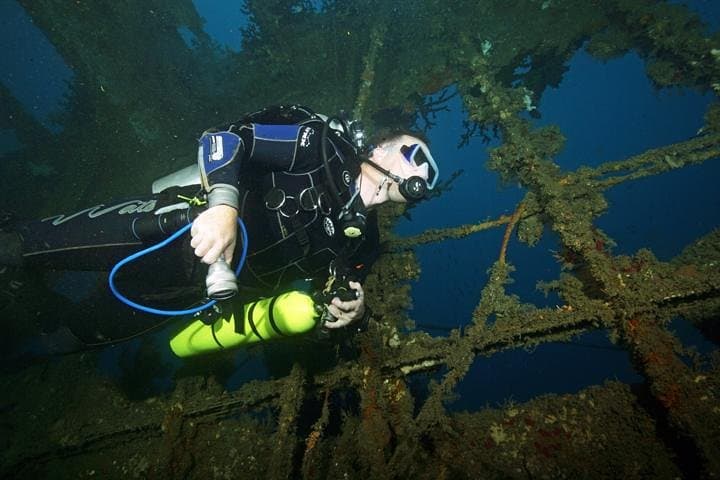
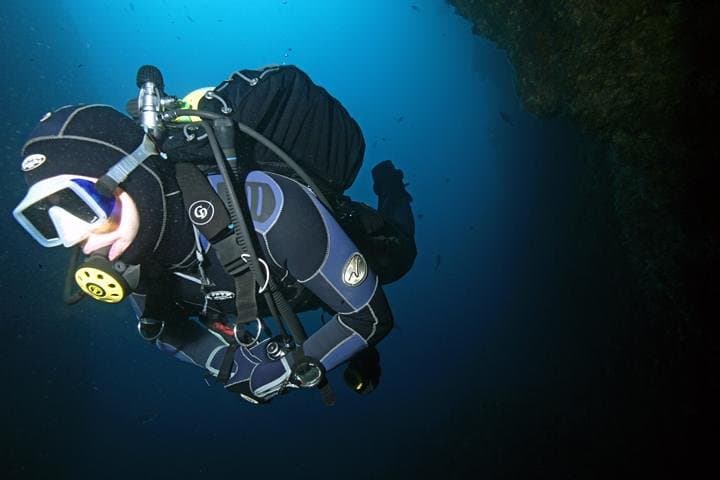
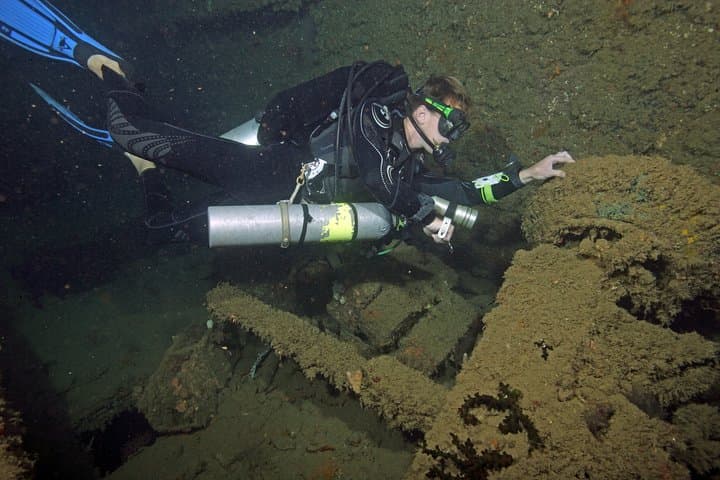
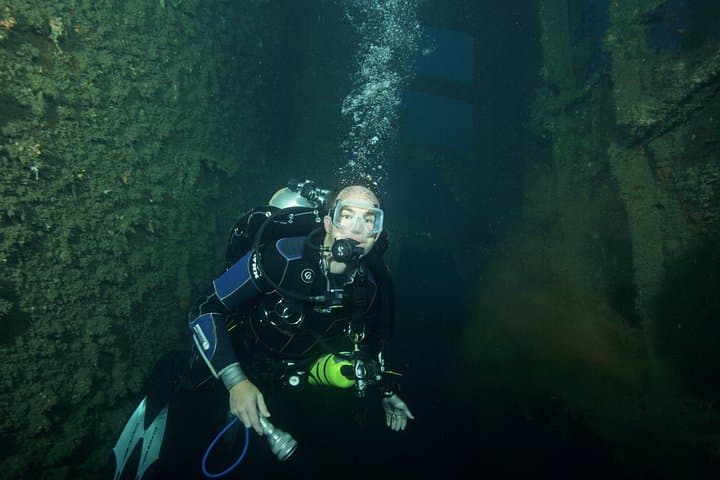
Mist lifts off the Hauraki Gulf as the dive boat eases away from Auckland’s waterfront. Salt stings the air and the sea pulls at the hull like a willing teacher; the Solo Diver Course takes that pull and turns it into disciplined independence. Over online theory and two 1‑tank dives (with full gear hire), experienced recreational divers learn to plan, equip and execute dives without a buddy—skills that matter whether you’re framing a low-light reef shot or supervising an inexperienced child underwater.
Mist lifts off the Hauraki Gulf as the dive boat eases away from Auckland’s waterfront. Salt stings the air and the sea pulls at the hull like a willing teacher; the Solo Diver Course takes that pull and turns it into disciplined independence. Over online theory and two 1‑tank dives (with full gear hire), experienced recreational divers learn to plan, equip and execute dives without a buddy—skills that matter whether you’re framing a low-light reef shot or supervising an inexperienced child underwater.
The course sits against Auckland’s volcanic backdrop—Tāmaki Makaurau was shaped by eruptions and marine carve, and those lava-fluted shorelines feed kelp gardens and rocky bommies where blue cod and pāua graze. Maori seafaring traditions still shape local attitudes toward stewardship; many operators brief students on protected areas and seasonal closures before descent.
Expect focused modules on self-checks, redundant systems, surface-signalling (SMB use) and conservative gas planning, then two tank dives where currents will test your trim and situational awareness. Practical guidance: bring logbook and certification (evidence of advanced certification and ~100 logged dives is required), use a dive computer, and rehearse emergency drills during calm conditions. Hydrate, eat lightly before water entry, and plan travel so you don’t fly within 48 hours of diving.
The payoff is tangible: quieter, deliberate dives that let you compose photos, inspect crevices, and move through kelp without haste. For seasoned divers wanting autonomy and cleaner images, the course converts common hazards into predictable procedures—turning the sea from an uncertain partner into a collaborator.