THE ADVENTURE COLLECTIVE® · Independent discovery and booking for outdoor travel

Step into Can Det, a 16th‑century house in the Serra de Tramuntana, and taste olive oil pressed from ancient trees as guides explain terrace agriculture and irrigation. This compact, one‑hour visit pairs history, geology and hands‑on tasting—ideal for food and landscape enthusiasts.
Step into Can Det, a 16th‑century house in the Serra de Tramuntana, and taste olive oil pressed from ancient trees as guides explain terrace agriculture and irrigation. This compact, one‑hour visit pairs history, geology and hands‑on tasting—ideal for food and landscape enthusiasts.
A narrow lane opens onto a stone courtyard where citrus trees lean toward the light and the scent of cured wood and fresh oil hangs in the air. Visitors enter Can Det, a 16th‑century house set into the terraces of the Sóller valley, and immediately feel the slow logic of an agricultural landscape shaped by people and rock.
Verified experiences and guided adventures in the surrounding area.
Operated by Can Det · Sóller, Balearic Islands
A narrow lane opens onto a stone courtyard where citrus trees lean toward the light and the scent of cured wood and fresh oil hangs in the air. Visitors enter Can Det, a 16th‑century house set into the terraces of the Sóller valley, and immediately feel the slow logic of an agricultural landscape shaped by people and rock.
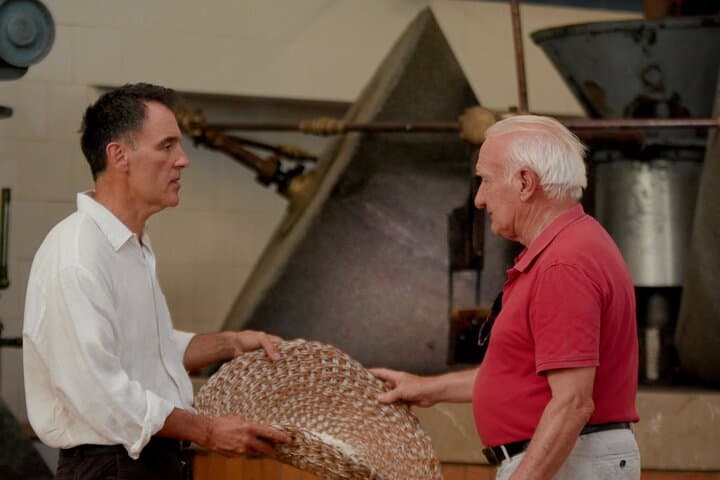
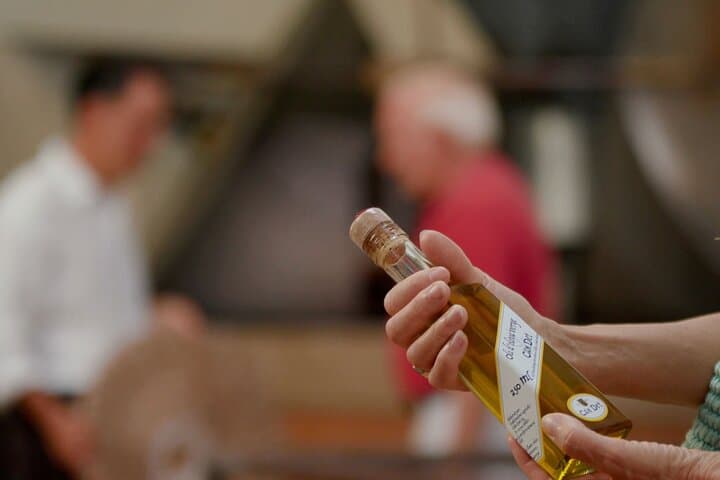
The Serra de Tramuntana frames the property—limestone ridges that forced farmers to carve terraces and build intricate irrigation canals over centuries. Can Det’s oil mill preserves traditional presses and tools; an audiovisual presentation and a guided walkthrough show how olives from thousand‑year‑old trees are turned into green-gold oil. The tasting room pairs the huile with local breads, ramallet tomatoes, almonds and orange juice, giving flavor to a cultural history where citrus and olives sustained villages and commerce across the Mediterranean.
Expect an hour of close observation more than strenuous activity: uneven flagstones, a cellar atmosphere and the occasional whiff of mill machinery in season. Visits between October and January can coincide with harvest and live pressing, offering front-row access to a seasonal ritual. Guides explain terrace maintenance, irrigation channels and how cultivar and altitude shape taste.
Practical notes: arrive on time (parking in Sóller can be tight), bring sun protection for the courtyard, and set aside cash or card if you want to buy a bottle to take home. The experience suits curious travelers who want a tangible link between landscape, labor and what ends up on the table.
easy.
1 hour.
Suitable for all fitness levels; requires short walks on uneven ground and standing during tasting.
The guided tasting and visit last approximately 60 minutes, including audiovisual content and the tasting.
Can Det reports wheelchair accessibility for main areas, but uneven surfaces exist; contact the operator in advance to confirm arrangements.
Yes—bottles are often available for purchase on site; bring card or cash, and ask about shipping options if you want larger quantities.
Children are welcome; the visit is family‑friendly but includes machinery and uneven floors—supervision is recommended.
Can Det illustrates human adaptation in the Serra de Tramuntana: dry‑stone terraces and irrigation that supported olive and citrus cultivation for centuries, contributing to the area's UNESCO listing.
Maintaining terraces and traditional cultivation is labor-intensive; small‑scale producers emphasize sustainable pruning, water management and preserving ancient olive groves.
Can Det operates guided outdoor trips and adventures with an emphasis on safety, stewardship, and memorable experiences.
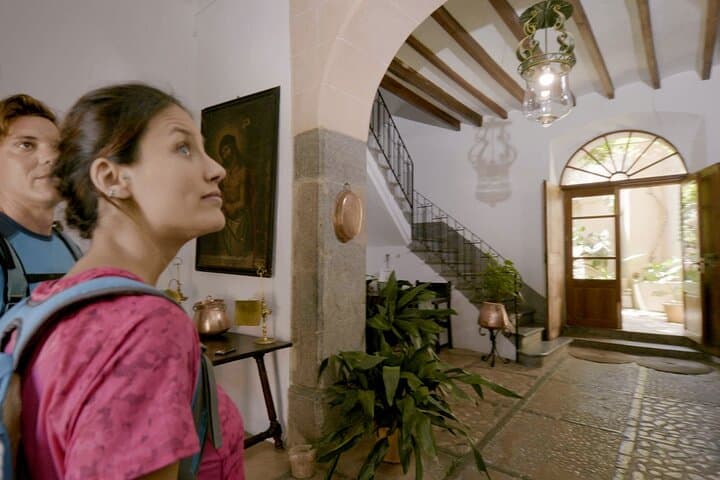
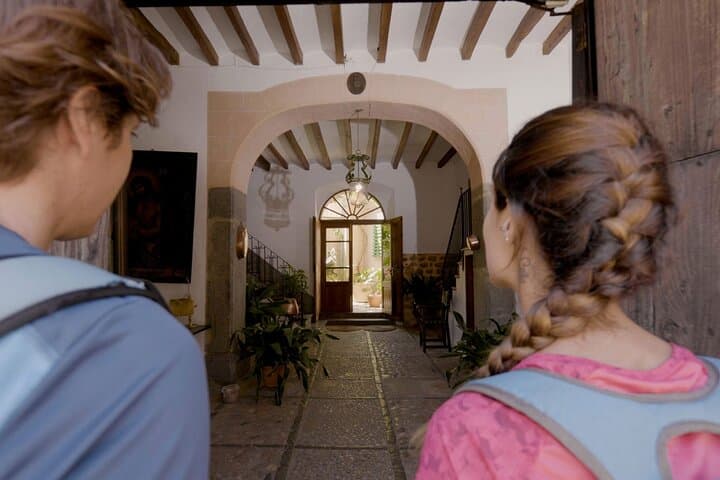
A narrow lane opens onto a stone courtyard where citrus trees lean toward the light and the scent of cured wood and fresh oil hangs in the air. Visitors enter Can Det, a 16th‑century house set into the terraces of the Sóller valley, and immediately feel the slow logic of an agricultural landscape shaped by people and rock.
A narrow lane opens onto a stone courtyard where citrus trees lean toward the light and the scent of cured wood and fresh oil hangs in the air. Visitors enter Can Det, a 16th‑century house set into the terraces of the Sóller valley, and immediately feel the slow logic of an agricultural landscape shaped by people and rock.
The Serra de Tramuntana frames the property—limestone ridges that forced farmers to carve terraces and build intricate irrigation canals over centuries. Can Det’s oil mill preserves traditional presses and tools; an audiovisual presentation and a guided walkthrough show how olives from thousand‑year‑old trees are turned into green-gold oil. The tasting room pairs the huile with local breads, ramallet tomatoes, almonds and orange juice, giving flavor to a cultural history where citrus and olives sustained villages and commerce across the Mediterranean.
Expect an hour of close observation more than strenuous activity: uneven flagstones, a cellar atmosphere and the occasional whiff of mill machinery in season. Visits between October and January can coincide with harvest and live pressing, offering front-row access to a seasonal ritual. Guides explain terrace maintenance, irrigation channels and how cultivar and altitude shape taste.
Practical notes: arrive on time (parking in Sóller can be tight), bring sun protection for the courtyard, and set aside cash or card if you want to buy a bottle to take home. The experience suits curious travelers who want a tangible link between landscape, labor and what ends up on the table.