THE ADVENTURE COLLECTIVE® · Independent discovery and booking for outdoor travel

Walk across vivid blue ice and peer into crevasses on Sólheimajökull, a living glacier south of Vík. This guided, moderately challenging hike combines geology, glacier safety instruction, and dramatic scenery in a 3-hour outing.
Walk across vivid blue ice and peer into crevasses on Sólheimajökull, a living glacier south of Vík. This guided, moderately challenging hike combines geology, glacier safety instruction, and dramatic scenery in a 3-hour outing.
You step from black sand onto a sheet of blue and white that shifts underfoot—Sólheimajökull does not sit still; it breathes, calves, and rearranges its face by the year. The guide fits your crampons while wind from Mýrdalsjökull pushes cold air down the glacier, and the first crevasse reveals an impossible, glassy blue.
Verified experiences and guided adventures in the surrounding area.
Operated by Icelandic Mountain Guides · Vík, Southern Region
You step from black sand onto a sheet of blue and white that shifts underfoot—Sólheimajökull does not sit still; it breathes, calves, and rearranges its face by the year. The guide fits your crampons while wind from Mýrdalsjökull pushes cold air down the glacier, and the first crevasse reveals an impossible, glassy blue.
This tongue of Mýrdalsjökull formed as ice flowed from the central ice cap over volcanic terrain, carving ridges and moulins and exposing layers of ash from nearby eruptions. The area is shaped by fire and ice: frequent eruptions of Katla and glacial movement that accelerates after warm summers. Local culture in the south of Iceland reflects that tension—farmsteads and ring roads hug safer ground while sagas and modern guide services keep respect for the glacier central to visitors’ experience.
On the hike you’ll traverse packed ice and moraine edges, cross shallow streams, and peer into sculpted crevasses and seracs. Expect steady but manageable climbs and brief sections where you use an ice axe for balance rather than technical climbing.
Practical guidance: dress in layers, bring waterproof outerwear and sturdy boots (rental boots available on-site), and plan for 2–3 hours on the glacier with a 3-hour tour length. Group sizes stay small and guides provide crampons, helmets, and basic instruction; no prior glacier experience is required but good balance and a reasonable fitness level help.
Timing matters—low light in winter shortens walking windows, while summer brings long daylight and more melt; always follow guide briefings about safety and weather.
moderate.
2–3 hours (3-hour tour).
Moderate—be able to walk on uneven terrain for a few hours and manage short, steady climbs.
No—guides provide instruction and all necessary safety equipment; a reasonable fitness level and sure-footedness are sufficient.
Yes—crampons, helmets, and often ice axes are provided as part of the tour inclusions.
Most operators set a minimum age (commonly 12 years); check the specific tour policy when booking.
Yes—tours may be canceled or rescheduled for safety if weather or glacier conditions are unsafe; refunds or rebooking policies vary by operator.
Sólheimajökull is an outlet glacier of Mýrdalsjökull; its exposed ice and ash layers record repeated volcanic eruptions from nearby Katla and decades of climate-driven retreat.
Glaciers here are retreating rapidly—stay on marked routes, follow guide instructions, and avoid collecting ice or disturbing fragile moraine to minimize impact.
Icelandic Mountain Guides operates guided outdoor trips and adventures with an emphasis on safety, stewardship, and memorable experiences.
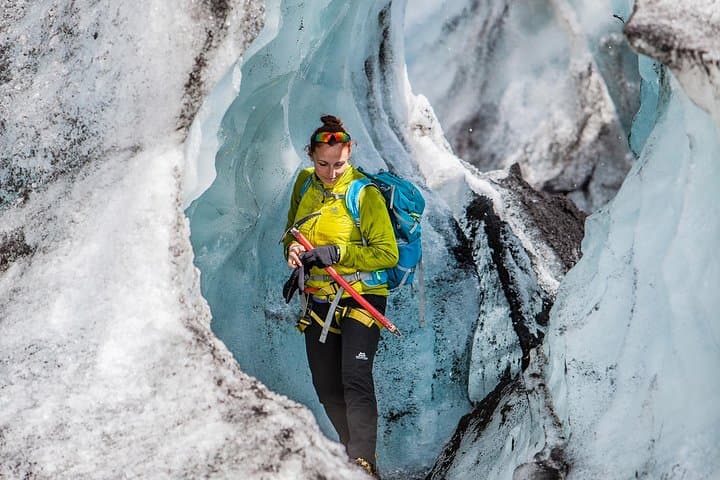
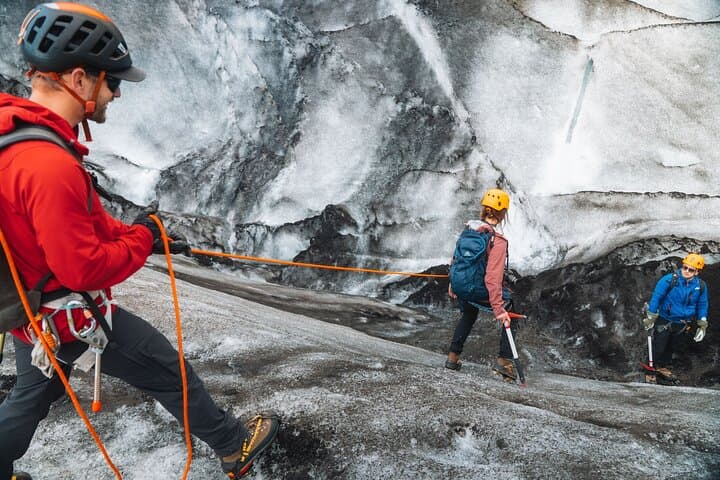
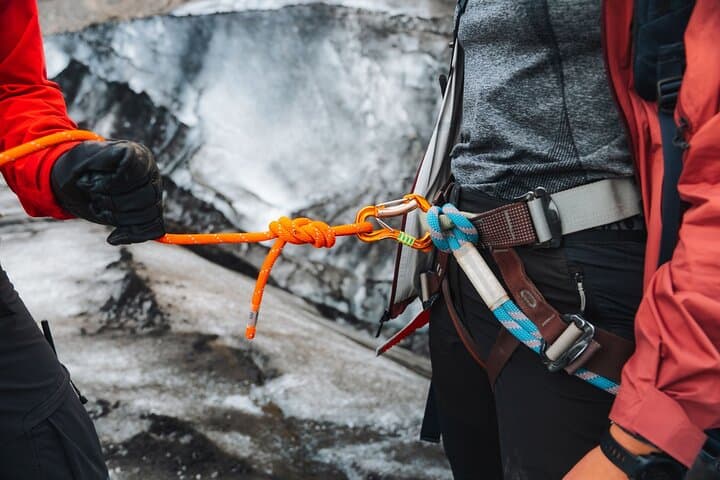
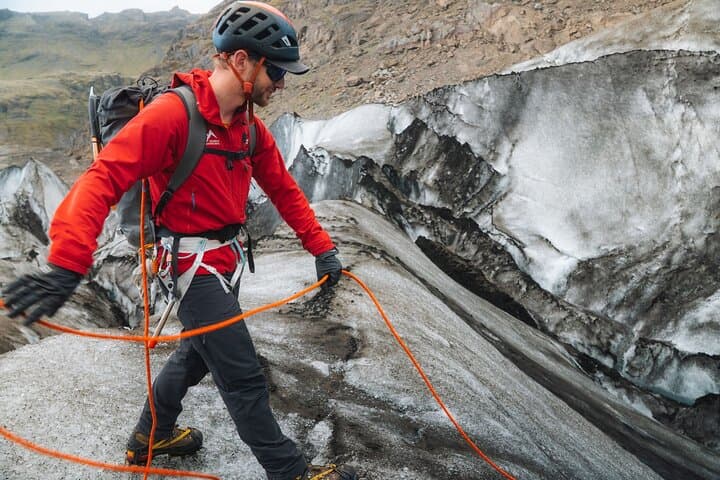
You step from black sand onto a sheet of blue and white that shifts underfoot—Sólheimajökull does not sit still; it breathes, calves, and rearranges its face by the year. The guide fits your crampons while wind from Mýrdalsjökull pushes cold air down the glacier, and the first crevasse reveals an impossible, glassy blue.
You step from black sand onto a sheet of blue and white that shifts underfoot—Sólheimajökull does not sit still; it breathes, calves, and rearranges its face by the year. The guide fits your crampons while wind from Mýrdalsjökull pushes cold air down the glacier, and the first crevasse reveals an impossible, glassy blue.
This tongue of Mýrdalsjökull formed as ice flowed from the central ice cap over volcanic terrain, carving ridges and moulins and exposing layers of ash from nearby eruptions. The area is shaped by fire and ice: frequent eruptions of Katla and glacial movement that accelerates after warm summers. Local culture in the south of Iceland reflects that tension—farmsteads and ring roads hug safer ground while sagas and modern guide services keep respect for the glacier central to visitors’ experience.
On the hike you’ll traverse packed ice and moraine edges, cross shallow streams, and peer into sculpted crevasses and seracs. Expect steady but manageable climbs and brief sections where you use an ice axe for balance rather than technical climbing.
Practical guidance: dress in layers, bring waterproof outerwear and sturdy boots (rental boots available on-site), and plan for 2–3 hours on the glacier with a 3-hour tour length. Group sizes stay small and guides provide crampons, helmets, and basic instruction; no prior glacier experience is required but good balance and a reasonable fitness level help.
Timing matters—low light in winter shortens walking windows, while summer brings long daylight and more melt; always follow guide briefings about safety and weather.