THE ADVENTURE COLLECTIVE® · Independent discovery and booking for outdoor travel

Step onto Sólheimajökull for a guided 3-hour glacier hike that pairs technical ice travel with clear explanation of volcanic and climatic forces. Small groups, provided gear, and expert guides make this a hands-on introduction to Iceland’s changing ice.
Step onto Sólheimajökull for a guided 3-hour glacier hike that pairs technical ice travel with clear explanation of volcanic and climatic forces. Small groups, provided gear, and expert guides make this a hands-on introduction to Iceland’s changing ice.
A cold wind carries powdered ash and the distant rumble of shifting ice as you step from the parking lot onto the glacier’s black-creased edge. Under a leaden Icelandic sky, crampons click and guides check harnesses; the ice ahead shines blue where crevasses steal the light. This is Sólheimajökull — an accessible outlet of the Mýrdalsjökull ice cap where moulins, seracs, and jagged ridgelines map ongoing glacial change.
Verified experiences and guided adventures in the surrounding area.
Operated by Gravel Travel · Vík, Southern Region
A cold wind carries powdered ash and the distant rumble of shifting ice as you step from the parking lot onto the glacier’s black-creased edge. Under a leaden Icelandic sky, crampons click and guides check harnesses; the ice ahead shines blue where crevasses steal the light. This is Sólheimajökull — an accessible outlet of the Mýrdalsjökull ice cap where moulins, seracs, and jagged ridgelines map ongoing glacial change.
The ice here is young in geological terms, carved by volcanic pulses from Katla beneath Mýrdalsjökull and sculpted by seasonal melt. Local guides weave glaciology into story, explaining how ash layers preserve eruption records and how climate shifts hasten retreat. Culturally, the route sits on the ring road corridor between Skógafoss and Vík, a landscape long used by shepherds and modern travelers alike.
Practically, the experience is a close-up lesson in glacier travel: expect uneven terrain, hidden crevasses, and sharp contrasts between ash-dark moraine and crystalline ice. Walks typically last three hours with on-ice time guided and paced for small groups; guides provide helmets, crampons, and harnesses and lead all roped sections.
Plan for changing weather, waterproof boots, and layered insulation that lets you move without overheating. Photography windows can open between cloud bands; keep batteries warm. Respect guide instructions around fragile ice features and do not wander from the group — crevasses can be deceptively stable at a glance. For first-time glacier hikers, Sólheimajökull offers an intense, education-rich introduction to Iceland’s dynamic frozen landscapes.
moderate.
3 hours.
Moderate fitness—comfortable walking on uneven, icy terrain for several hours; suitable for active children 8+ with supervision
The full activity is about three hours; most of that time is on or very near the glacier surface with regular stops for explanation and safety checks.
No. Guides provide basic instruction, crampons, harnesses, and lead all technical sections — beginners are welcome with moderate fitness.
Yes—operators commonly accept children aged 8 and up, but guardians should ensure the child is comfortable walking on icy, uneven terrain.
Tours may be canceled for safety in severe weather or insufficient conditions; operators typically offer refunds or rescheduling if the trip is canceled.
Sólheimajökull is an outlet glacier of Mýrdalsjökull influenced by periodic eruptions of the subglacial Katla volcano and by post-glacial melt since the Little Ice Age.
Glaciers in this region are visibly retreating; stick to guided routes, avoid disturbing ice features, and follow Leave No Trace principles to limit impact.
Gravel Travel operates guided outdoor trips and adventures with an emphasis on safety, stewardship, and memorable experiences.
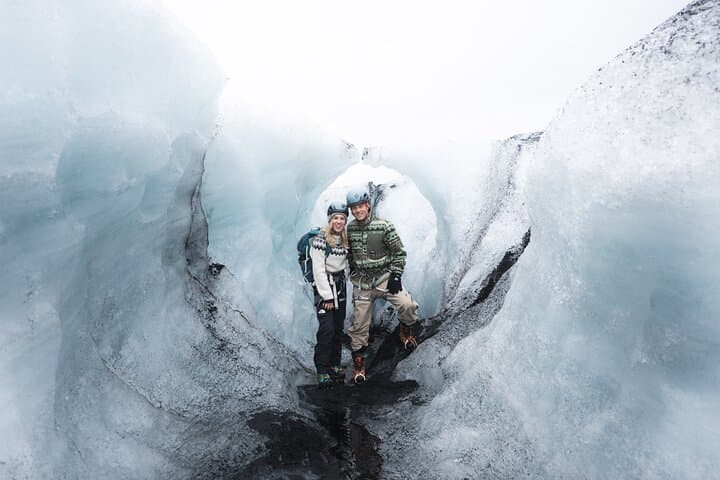
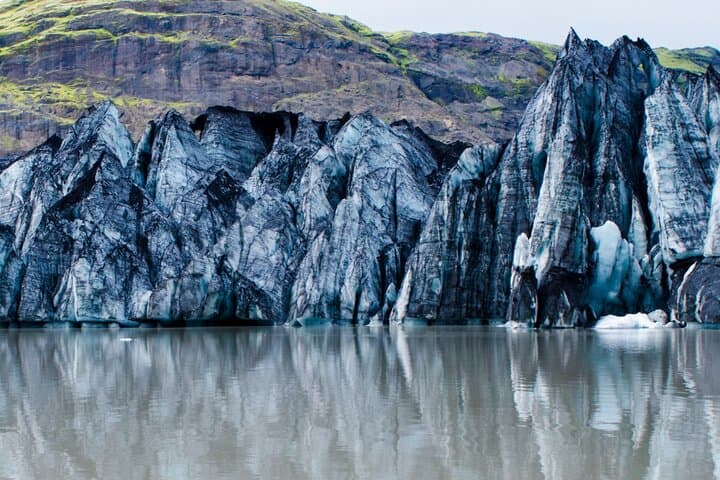
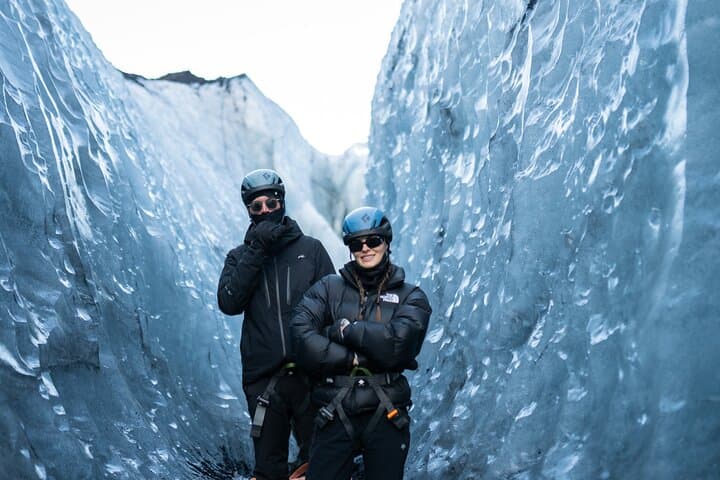
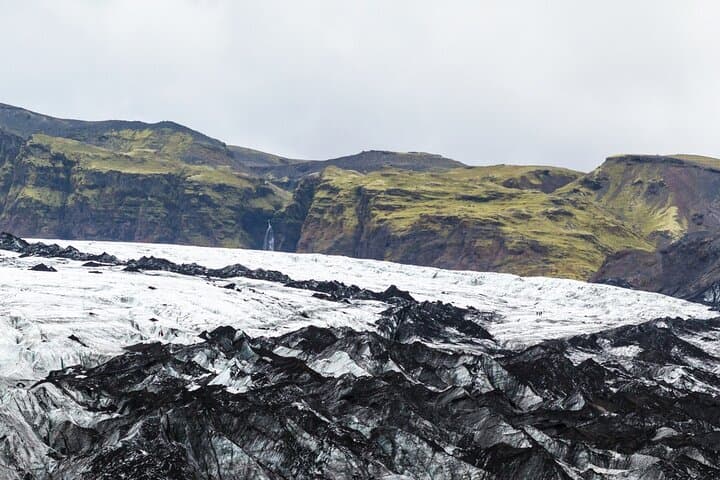
A cold wind carries powdered ash and the distant rumble of shifting ice as you step from the parking lot onto the glacier’s black-creased edge. Under a leaden Icelandic sky, crampons click and guides check harnesses; the ice ahead shines blue where crevasses steal the light. This is Sólheimajökull — an accessible outlet of the Mýrdalsjökull ice cap where moulins, seracs, and jagged ridgelines map ongoing glacial change.
A cold wind carries powdered ash and the distant rumble of shifting ice as you step from the parking lot onto the glacier’s black-creased edge. Under a leaden Icelandic sky, crampons click and guides check harnesses; the ice ahead shines blue where crevasses steal the light. This is Sólheimajökull — an accessible outlet of the Mýrdalsjökull ice cap where moulins, seracs, and jagged ridgelines map ongoing glacial change.
The ice here is young in geological terms, carved by volcanic pulses from Katla beneath Mýrdalsjökull and sculpted by seasonal melt. Local guides weave glaciology into story, explaining how ash layers preserve eruption records and how climate shifts hasten retreat. Culturally, the route sits on the ring road corridor between Skógafoss and Vík, a landscape long used by shepherds and modern travelers alike.
Practically, the experience is a close-up lesson in glacier travel: expect uneven terrain, hidden crevasses, and sharp contrasts between ash-dark moraine and crystalline ice. Walks typically last three hours with on-ice time guided and paced for small groups; guides provide helmets, crampons, and harnesses and lead all roped sections.
Plan for changing weather, waterproof boots, and layered insulation that lets you move without overheating. Photography windows can open between cloud bands; keep batteries warm. Respect guide instructions around fragile ice features and do not wander from the group — crevasses can be deceptively stable at a glance. For first-time glacier hikers, Sólheimajökull offers an intense, education-rich introduction to Iceland’s dynamic frozen landscapes.