THE ADVENTURE COLLECTIVE® · Independent discovery and booking for outdoor travel

Traverse blue ice and ash bands on a guided glacier hike near Vík. Learn glacier geology and basic ice-climbing skills while using full glacier gear supplied by experienced guides.
Traverse blue ice and ash bands on a guided glacier hike near Vík. Learn glacier geology and basic ice-climbing skills while using full glacier gear supplied by experienced guides.
You step from the gravel parking lot onto the glacier’s edge and the air changes—cold and clear, with the glacier’s tongue stretching ahead like a slow-moving, blue-tinged river. Guides fit crampons and clip harnesses; the glacier answers with a hush broken by distant cracking. Over the next three to four hours you move across ridged ice, skirt meltwater channels, and climb short, protected sections of wall with instruction from experienced guides.
Verified experiences and guided adventures in the surrounding area.
Operated by Explorer's Edge · Vík, Southern Region
You step from the gravel parking lot onto the glacier’s edge and the air changes—cold and clear, with the glacier’s tongue stretching ahead like a slow-moving, blue-tinged river. Guides fit crampons and clip harnesses; the glacier answers with a hush broken by distant cracking. Over the next three to four hours you move across ridged ice, skirt meltwater channels, and climb short, protected sections of wall with instruction from experienced guides.
The ice here is young against Iceland’s deep geological past: basaltic lava flows buried under successive ice ages, now sculpted by melt and movement. Sólheimajökull and nearby outlets reveal bands of ash from volcanic eruptions, and the crevasses mark the glacier’s slow pulse. Local culture ties to both the sea and the ice—farming communities in the lowlands, rescue traditions, and a growing eco-tourism ethic that values low-impact access.
Expect 2–4 km on ice with 100–200 m of variable elevation change depending on route; terrain alternates between packed moraine, blue ice, and snowfields. Guides supply helmets, ropes, ice axes and crampons; no prior ice-climbing experience is required, though basic balance and willingness to follow instruction are essential.
Plan for layered clothing, waterproof shells, sturdy boots, and sunglasses—the glare on ice is intense. Morning light often yields firmer ice and clearer views; afternoons can bring wind and meltwater. Respect marked routes and your guide’s decisions: crevasses and shifting ice are active hazards. Do this trip to feel the glacier’s scale beneath your feet and to leave it as you found it—quiet and intact.
moderate.
3–4 hours.
Suitable for people with basic fitness: steady balance, short uphill sections, and the ability to walk 2–4 km on uneven terrain.
No—guides provide instruction for basic rope work, crampon use, and ice-axe techniques; the activity is designed for beginners through experienced participants.
Guides supply helmets, harnesses, crampons, ice axes, ropes and rescue equipment; you need appropriate clothing and boots.
Age limits vary by operator; safety considerations include temperature tolerance and ability to follow guide instructions—check with the company about minimum age.
Tours may be canceled or rerouted for safety due to wind, heavy precipitation, or unstable ice; operators often offer refunds or rescheduling according to their policy.
The glacier sits atop lava fields and ash layers from historic eruptions; locals have long read the landscape for signs of volcanic activity and changing ice.
Guides follow leave-no-trace practices and limit group sizes to reduce impact; visitors should avoid marking or chipping ice and stay on guided routes to protect fragile glacial features.
Explorer's Edge operates guided outdoor trips and adventures with an emphasis on safety, stewardship, and memorable experiences.
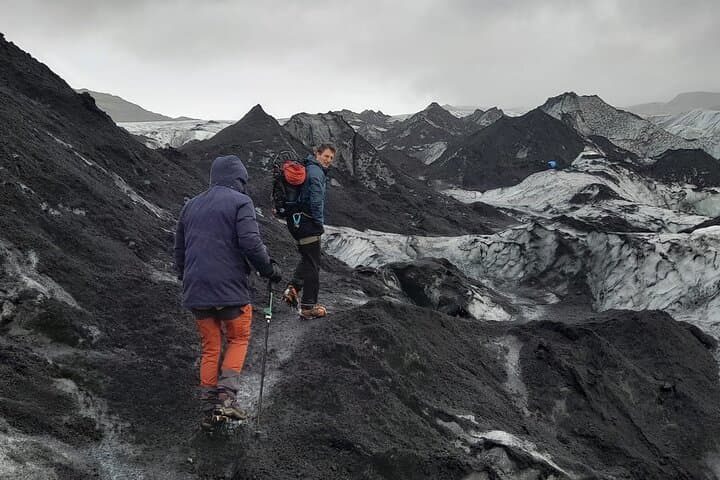
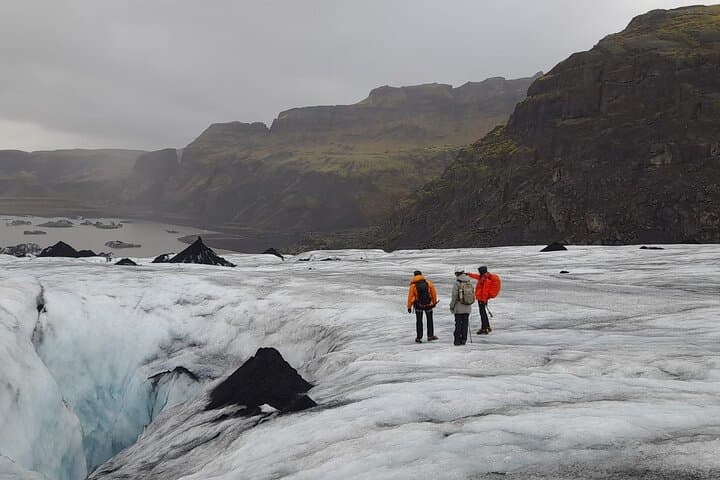
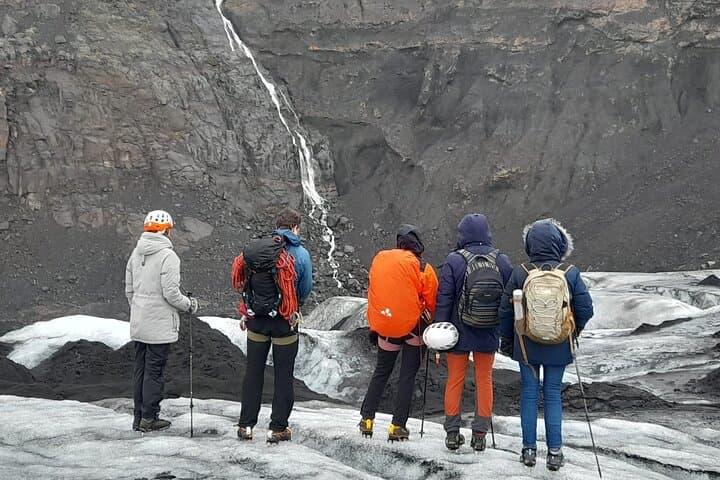
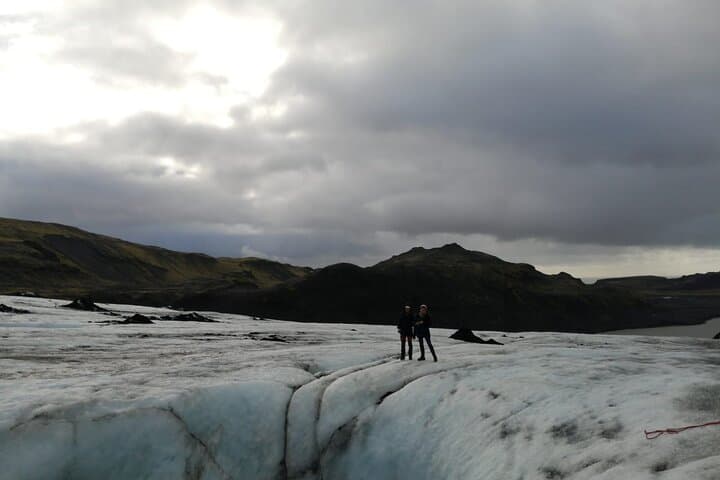
You step from the gravel parking lot onto the glacier’s edge and the air changes—cold and clear, with the glacier’s tongue stretching ahead like a slow-moving, blue-tinged river. Guides fit crampons and clip harnesses; the glacier answers with a hush broken by distant cracking. Over the next three to four hours you move across ridged ice, skirt meltwater channels, and climb short, protected sections of wall with instruction from experienced guides.
You step from the gravel parking lot onto the glacier’s edge and the air changes—cold and clear, with the glacier’s tongue stretching ahead like a slow-moving, blue-tinged river. Guides fit crampons and clip harnesses; the glacier answers with a hush broken by distant cracking. Over the next three to four hours you move across ridged ice, skirt meltwater channels, and climb short, protected sections of wall with instruction from experienced guides.
The ice here is young against Iceland’s deep geological past: basaltic lava flows buried under successive ice ages, now sculpted by melt and movement. Sólheimajökull and nearby outlets reveal bands of ash from volcanic eruptions, and the crevasses mark the glacier’s slow pulse. Local culture ties to both the sea and the ice—farming communities in the lowlands, rescue traditions, and a growing eco-tourism ethic that values low-impact access.
Expect 2–4 km on ice with 100–200 m of variable elevation change depending on route; terrain alternates between packed moraine, blue ice, and snowfields. Guides supply helmets, ropes, ice axes and crampons; no prior ice-climbing experience is required, though basic balance and willingness to follow instruction are essential.
Plan for layered clothing, waterproof shells, sturdy boots, and sunglasses—the glare on ice is intense. Morning light often yields firmer ice and clearer views; afternoons can bring wind and meltwater. Respect marked routes and your guide’s decisions: crevasses and shifting ice are active hazards. Do this trip to feel the glacier’s scale beneath your feet and to leave it as you found it—quiet and intact.