THE ADVENTURE COLLECTIVE® · Independent discovery and booking for outdoor travel

Three hours of seafood markets, a hand-pulled ferry to Abai Village, and shoreline cafés define this Sokcho gourmet loop. Expect fresh tastes, coastal stories, and short walks across wet docks and seaside streets.
Three hours of seafood markets, a hand-pulled ferry to Abai Village, and shoreline cafés define this Sokcho gourmet loop. Expect fresh tastes, coastal stories, and short walks across wet docks and seaside streets.
Salt air and shouted prices greet you as you push through Sokcho’s fish market: wet crates of mackerel glint, seagulls wheel above, and vendors cut sashimi on plastic tables while the sea keeps time in the background.
Verified experiences and guided adventures in the surrounding area.
Operated by Plus Planner · Sokcho, Gangwon-do
Salt air and shouted prices greet you as you push through Sokcho’s fish market: wet crates of mackerel glint, seagulls wheel above, and vendors cut sashimi on plastic tables while the sea keeps time in the background.
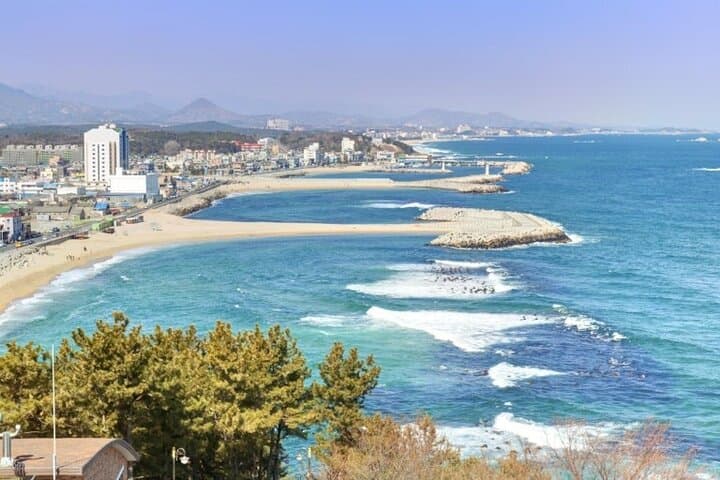
This three-hour loop reads like a coastal primer—market stalls to hand-pulled ferry, a compact village of North Korean émigré flavors, then a last stop at a quiet cafe facing the East Sea. Geology here matters: the steep coastal shelf and offshore currents concentrate seafood, feeding a local economy built on fish, squid, and shellfish. Abai Village, settled by refugees after the Korean War, preserves recipes and small-plate traditions not common elsewhere in Korea.
Culture and cuisine are inseparable: try raw fish (hoe), grilled clams, and the village’s North-style preparations; listen for local stories about the ferry and the old harbor while sipping a seaside coffee.
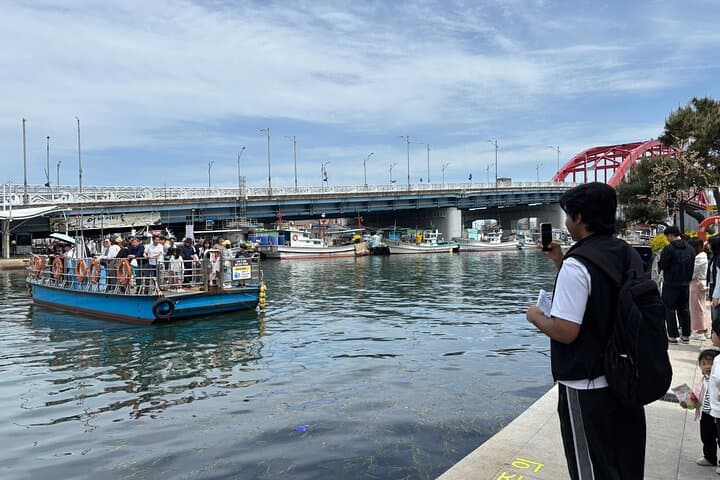
Practical guidance: the tour is a private three-hour taxi loop with guided tastings and short walks. Bring cash for small stalls, wear grippy shoes for wet docks, and flag dietary restrictions when you book. Expect narrow alleys, uneven piers, and a short, manually operated ferry crossing that runs on a local schedule. Best time to visit is outside the mid-summer tourist surge—mornings or late afternoons add softer light and cooler air. Keep a small tote for purchases and leave room on your camera for textured close-ups of market life; the day’s flavor comes as much from movement between places as the bites you taste.
easy.
3 hours.
Light walking ability; comfortable standing for market stops and short ferry boarding required.
Yes — the itinerary is a private three-hour taxi loop that moves you between the market, ferry point, Abai Village, and seaside cafes.
Tastings at selected market stalls and village stops are included in the tour plan, but extra purchases, full meals, or additional drinks may be at your own expense.
Operators usually can accommodate allergies or vegetarian requests if you provide details when booking; notify them early to allow substitutions.
The ferry is small and boards from narrow piers with steps; it may not be suitable for standard wheelchairs—check accessibility with the operator before booking.
Abai Village was formed by refugees from the north after the Korean War; its kitchens preserve North Korean-influenced dishes and a slower, communal style of eating.
Sokcho’s fisheries depend on healthy coastal ecosystems—support stalls using locally harvested, sustainably caught seafood and reduce single-use plastic when possible.
Plus Planner operates guided outdoor trips and adventures with an emphasis on safety, stewardship, and memorable experiences.
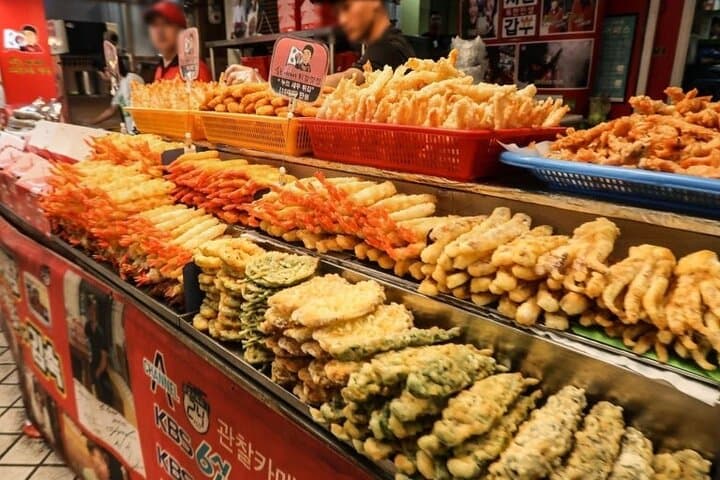

Salt air and shouted prices greet you as you push through Sokcho’s fish market: wet crates of mackerel glint, seagulls wheel above, and vendors cut sashimi on plastic tables while the sea keeps time in the background.
Salt air and shouted prices greet you as you push through Sokcho’s fish market: wet crates of mackerel glint, seagulls wheel above, and vendors cut sashimi on plastic tables while the sea keeps time in the background.
This three-hour loop reads like a coastal primer—market stalls to hand-pulled ferry, a compact village of North Korean émigré flavors, then a last stop at a quiet cafe facing the East Sea. Geology here matters: the steep coastal shelf and offshore currents concentrate seafood, feeding a local economy built on fish, squid, and shellfish. Abai Village, settled by refugees after the Korean War, preserves recipes and small-plate traditions not common elsewhere in Korea.
Culture and cuisine are inseparable: try raw fish (hoe), grilled clams, and the village’s North-style preparations; listen for local stories about the ferry and the old harbor while sipping a seaside coffee.
Practical guidance: the tour is a private three-hour taxi loop with guided tastings and short walks. Bring cash for small stalls, wear grippy shoes for wet docks, and flag dietary restrictions when you book. Expect narrow alleys, uneven piers, and a short, manually operated ferry crossing that runs on a local schedule. Best time to visit is outside the mid-summer tourist surge—mornings or late afternoons add softer light and cooler air. Keep a small tote for purchases and leave room on your camera for textured close-ups of market life; the day’s flavor comes as much from movement between places as the bites you taste.