THE ADVENTURE COLLECTIVE® · Independent discovery and booking for outdoor travel

Trace the ragged, electrified history of British rock through Soho’s streets—Denmark Street, Ronnie Scott’s and the studios where Bowie, Hendrix and Queen made noise that changed music. This 2–3 hour walking tour blends storytelling with close-up visits to the quarter’s musical landmarks.
Trace the ragged, electrified history of British rock through Soho’s streets—Denmark Street, Ronnie Scott’s and the studios where Bowie, Hendrix and Queen made noise that changed music. This 2–3 hour walking tour blends storytelling with close-up visits to the quarter’s musical landmarks.
You step off a busy Shaftesbury Avenue and the narrow streets of Soho fold around you like a record sleeve—warm brick, narrow alleys, and neon that keeps time with the chatter. The guide cues up stories and riffs; the pavement seems to remember guitar solos. Denmark Street’s guitar shops hum with history, Ronnie Scott’s doorway holds the echo of late-night jams, and an anonymous black sign marks a bow to Bowie’s Ziggy era.
Verified experiences and guided adventures in the surrounding area.
Operated by Loudman Tours · London, England
You step off a busy Shaftesbury Avenue and the narrow streets of Soho fold around you like a record sleeve—warm brick, narrow alleys, and neon that keeps time with the chatter. The guide cues up stories and riffs; the pavement seems to remember guitar solos. Denmark Street’s guitar shops hum with history, Ronnie Scott’s doorway holds the echo of late-night jams, and an anonymous black sign marks a bow to Bowie’s Ziggy era.
Soho’s music life grew from early 20th‑century publishing and Tin Pan Alley into a 1960s–70s forge for punk, glam and Britpop. The area’s Victorian streets and mixed-use buildings—geology of brick and Georgian façades—frame stories about rebellious studio sessions at Trident and mod‑era Carnaby Street takeovers. Local culture is improvised: record stores, rehearsal rooms and late cafés that kept scenes circulating.
Practically, expect 2–3 hours of walking on paved, sometimes uneven sidewalks and short flights of steps. Tours move at an easy urban pace but include several photo stops and close-up looks at shopfronts and plaques. Arrive by Tube (Tottenham Court Road, Leicester Square or Piccadilly Circus), wear comfortable shoes, and plan for cafés or pubs if you want to linger after the tour. Weather in London changes quickly—pack a light rain layer and a charged phone for digital tickets. Respect local businesses; many sites are still functioning shops or clubs. This is a sensory walking tour: listen for the stories as much as you look for the landmarks.
easy.
2–3 hours.
Suitable for most fitness levels; requires standing and walking on paved urban streets for up to three hours.
The tour is advertised as wheelchair accessible, but some historic shop interiors and alleyways may have limited access—contact the operator to confirm specific needs.
Meeting points are within a short walk of Tottenham Court Road, Leicester Square and Piccadilly Circus stations—typically under 10 minutes.
Yes—strollers are manageable on most sidewalks; the tour is rated easy for all fitness levels, but check with the operator for age recommendations.
This is primarily a narrated walking tour with stops at historic sites; live music depends on venue schedules and is not guaranteed.
Soho evolved from print and publishing districts into a music engine in the 20th century; Denmark Street and Carnaby were central to the rise of British rock, punk and the 1960s youth culture.
Respect for small businesses and low-impact tourism is important—avoid blocking shopfronts and support local record stores to help preserve the area’s cultural economy.
Loudman Tours operates guided outdoor trips and adventures with an emphasis on safety, stewardship, and memorable experiences.
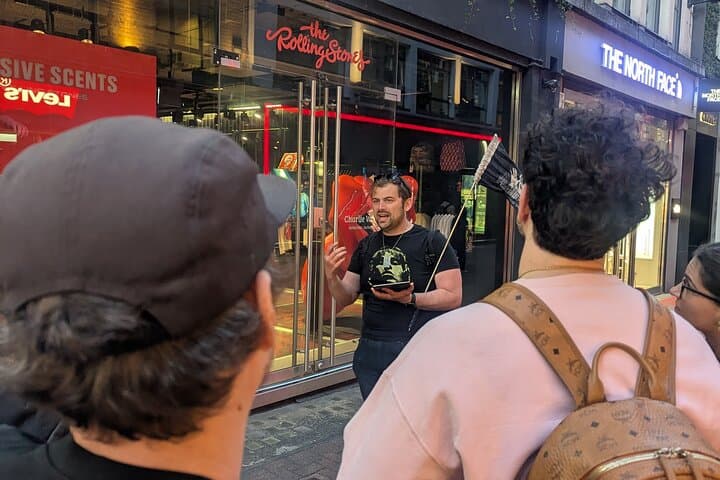
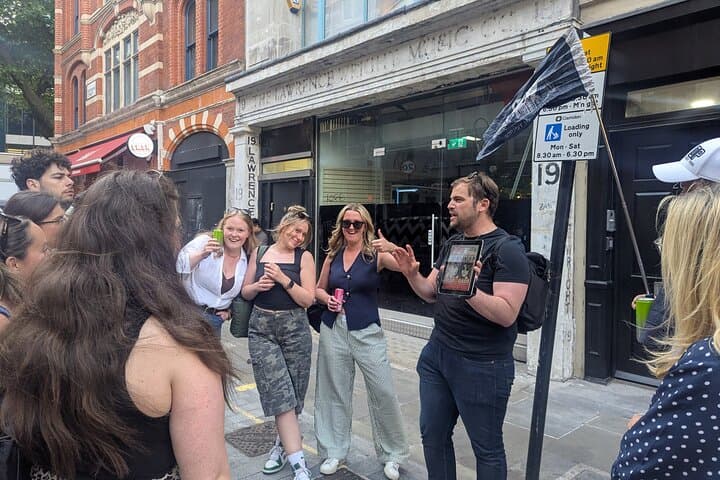
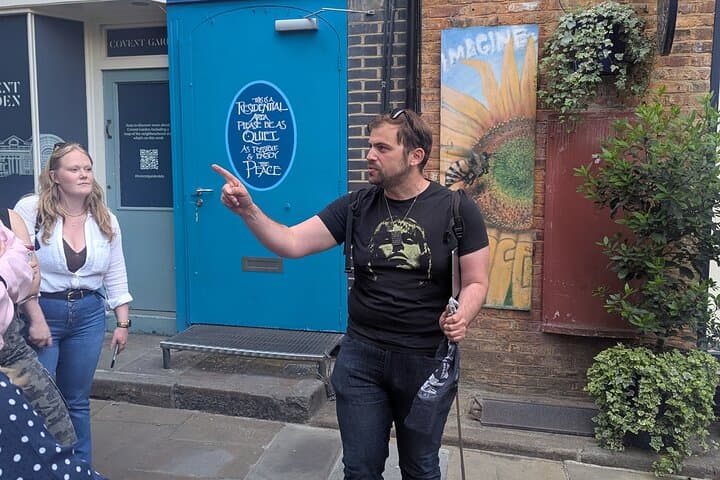
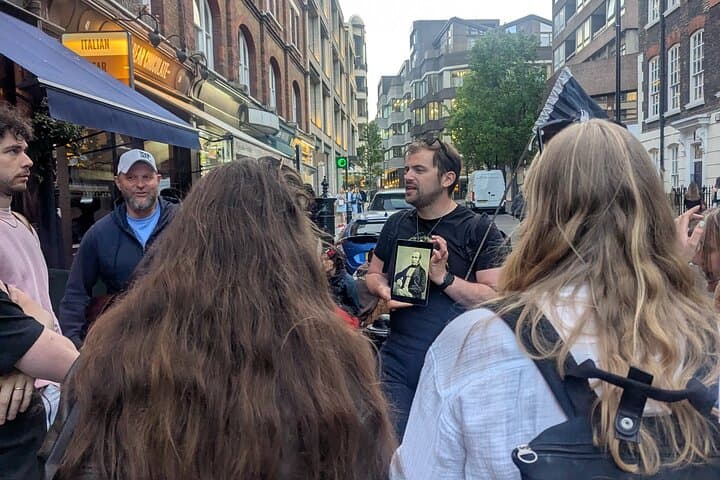
You step off a busy Shaftesbury Avenue and the narrow streets of Soho fold around you like a record sleeve—warm brick, narrow alleys, and neon that keeps time with the chatter. The guide cues up stories and riffs; the pavement seems to remember guitar solos. Denmark Street’s guitar shops hum with history, Ronnie Scott’s doorway holds the echo of late-night jams, and an anonymous black sign marks a bow to Bowie’s Ziggy era.
You step off a busy Shaftesbury Avenue and the narrow streets of Soho fold around you like a record sleeve—warm brick, narrow alleys, and neon that keeps time with the chatter. The guide cues up stories and riffs; the pavement seems to remember guitar solos. Denmark Street’s guitar shops hum with history, Ronnie Scott’s doorway holds the echo of late-night jams, and an anonymous black sign marks a bow to Bowie’s Ziggy era.
Soho’s music life grew from early 20th‑century publishing and Tin Pan Alley into a 1960s–70s forge for punk, glam and Britpop. The area’s Victorian streets and mixed-use buildings—geology of brick and Georgian façades—frame stories about rebellious studio sessions at Trident and mod‑era Carnaby Street takeovers. Local culture is improvised: record stores, rehearsal rooms and late cafés that kept scenes circulating.
Practically, expect 2–3 hours of walking on paved, sometimes uneven sidewalks and short flights of steps. Tours move at an easy urban pace but include several photo stops and close-up looks at shopfronts and plaques. Arrive by Tube (Tottenham Court Road, Leicester Square or Piccadilly Circus), wear comfortable shoes, and plan for cafés or pubs if you want to linger after the tour. Weather in London changes quickly—pack a light rain layer and a charged phone for digital tickets. Respect local businesses; many sites are still functioning shops or clubs. This is a sensory walking tour: listen for the stories as much as you look for the landmarks.