THE ADVENTURE COLLECTIVE® · Independent discovery and booking for outdoor travel

Walk through three of Manhattan’s most characterful neighborhoods in two hours: SoHo’s cast‑iron streets, Little Italy’s food‑filled alleys and the bustling markets of Chinatown. This guided tour mixes architecture, immigrant history and local flavor with practical tips for navigating the city on foot.
Walk through three of Manhattan’s most characterful neighborhoods in two hours: SoHo’s cast‑iron streets, Little Italy’s food‑filled alleys and the bustling markets of Chinatown. This guided tour mixes architecture, immigrant history and local flavor with practical tips for navigating the city on foot.
The tour begins on a spring-stone plaza where the city exhales — a mix of roasted coffee, car horns and the faint click of high heels on cobblestone. Guides steer the group into SoHo’s cast‑iron arms, where light pools off ornate facades and storefront windows stage an ever‑changing gallery of design and fashion.
Verified experiences and guided adventures in the surrounding area.
Operated by Opatrip.com USA · New York, NY
The tour begins on a spring-stone plaza where the city exhales — a mix of roasted coffee, car horns and the faint click of high heels on cobblestone. Guides steer the group into SoHo’s cast‑iron arms, where light pools off ornate facades and storefront windows stage an ever‑changing gallery of design and fashion.
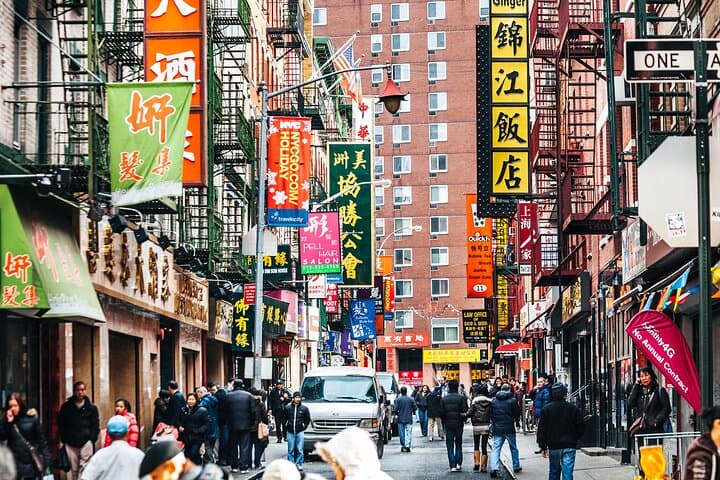
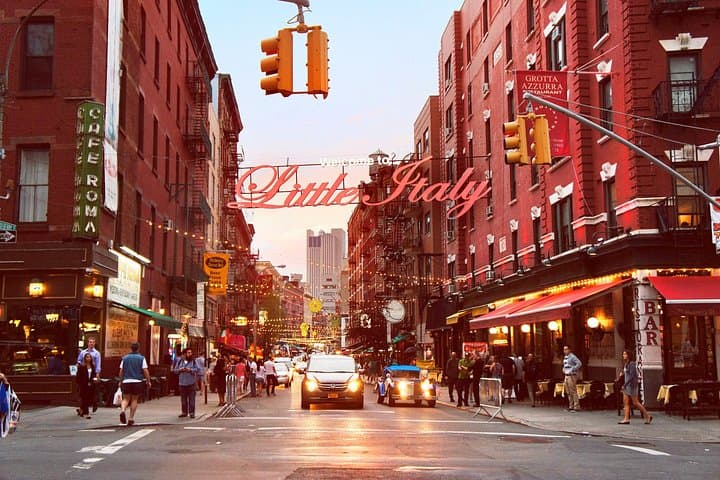
Follow the map of migration and commerce: SoHo’s 19th‑century industrial bones sit atop Manhattan schist, then yield to Little Italy’s narrow streets where old‑world bakeries send steam into the sidewalks. Here, stories of immigrants and family businesses hang in the air like the scent of tomato sauce. A few blocks away, Chinatown hums—markets, herbal shops and dumpling joints crowd the sidewalks with a cadence that makes the neighborhood feel alive and immediate.
This two‑hour walk blends architecture, food history and urban sociology. Expect discussion of preserve‑and‑replace development, the 1960s artist migration that reshaped SoHo, and how current retail trends cycle through these neighborhoods. The geology is incidental but present—the grid’s bedrock makes the narrow, low-rise feel possible, and subway lines stitch the neighborhoods together.
Practical guidance: comfortable shoes and a full phone battery matter more than formal gear. Tours start at Spring Street Park and are accessible by multiple subway lines; wearable layers handle sudden temperature shifts and restaurant stops. Bring cash for small purchases and be ready to move at an urban walking pace—streets may be crowded. This is a close‑quarters, sensory tour: watch your step, savor a pastry if time allows, and listen — the city tells its history in storefronts and voices.
easy.
2 hours.
Light walking fitness; able to stand and stroll for up to two hours with short stops
The meeting point is Spring Street Park in SoHo and the tour typically ends in the heart of Chinatown—exact end point is provided by the guide at the start.
Yes—paths are mostly walkable, but cobblestones and crowds can make stroller use slower; parents should plan for some carrying on uneven blocks.
This tour description does not include purchased food; guides will point out recommended bakeries and eateries where you can buy tastings independently.
Very accessible—multiple subway lines stop within a few blocks of the meeting point (Spring Street), and buses run through surrounding avenues.
SoHo transformed from a 19th‑century cast‑iron industrial district to an artist enclave in the 1960s–70s, which drove its preservation and conversion to galleries and boutiques.
Foot traffic and tourism pressure strain small businesses and refuse systems; use public transit, avoid littering and support local independent shops to keep neighborhoods resilient.
Opatrip.com USA operates guided outdoor trips and adventures with an emphasis on safety, stewardship, and memorable experiences.


The tour begins on a spring-stone plaza where the city exhales — a mix of roasted coffee, car horns and the faint click of high heels on cobblestone. Guides steer the group into SoHo’s cast‑iron arms, where light pools off ornate facades and storefront windows stage an ever‑changing gallery of design and fashion.
The tour begins on a spring-stone plaza where the city exhales — a mix of roasted coffee, car horns and the faint click of high heels on cobblestone. Guides steer the group into SoHo’s cast‑iron arms, where light pools off ornate facades and storefront windows stage an ever‑changing gallery of design and fashion.
Follow the map of migration and commerce: SoHo’s 19th‑century industrial bones sit atop Manhattan schist, then yield to Little Italy’s narrow streets where old‑world bakeries send steam into the sidewalks. Here, stories of immigrants and family businesses hang in the air like the scent of tomato sauce. A few blocks away, Chinatown hums—markets, herbal shops and dumpling joints crowd the sidewalks with a cadence that makes the neighborhood feel alive and immediate.
This two‑hour walk blends architecture, food history and urban sociology. Expect discussion of preserve‑and‑replace development, the 1960s artist migration that reshaped SoHo, and how current retail trends cycle through these neighborhoods. The geology is incidental but present—the grid’s bedrock makes the narrow, low-rise feel possible, and subway lines stitch the neighborhoods together.
Practical guidance: comfortable shoes and a full phone battery matter more than formal gear. Tours start at Spring Street Park and are accessible by multiple subway lines; wearable layers handle sudden temperature shifts and restaurant stops. Bring cash for small purchases and be ready to move at an urban walking pace—streets may be crowded. This is a close‑quarters, sensory tour: watch your step, savor a pastry if time allows, and listen — the city tells its history in storefronts and voices.