THE ADVENTURE COLLECTIVE® · Independent discovery and booking for outdoor travel

A gentle, 3–4 hour trek through Tetebatu’s rice terraces, waterfalls and village lanes with commanding views of Mount Rinjani. Ideal for travelers who want an accessible nature-and-culture day away from Lombok’s beaches.
A gentle, 3–4 hour trek through Tetebatu’s rice terraces, waterfalls and village lanes with commanding views of Mount Rinjani. Ideal for travelers who want an accessible nature-and-culture day away from Lombok’s beaches.
Morning light breaks over terraces as you step from an air-conditioned van into the cool, textured quiet of Tetebatu. The trail moves easily across rice paddies edged by irrigation channels that chatter like a small orchestra, then climbs to viewpoints where Rinjani’s cone fills the skyline—smoke-muted or cloud-capped depending on the day. Waterfalls punctuate the route; their spray dares you to pause and cool down. Monkeys shift through the forest canopy, inspecting passing visitors with casual curiosity.
Verified experiences and guided adventures in the surrounding area.
Operated by LOMBOK TOUR AND TRAVEL · Tetebatu, West Nusa Tenggara
Morning light breaks over terraces as you step from an air-conditioned van into the cool, textured quiet of Tetebatu. The trail moves easily across rice paddies edged by irrigation channels that chatter like a small orchestra, then climbs to viewpoints where Rinjani’s cone fills the skyline—smoke-muted or cloud-capped depending on the day. Waterfalls punctuate the route; their spray dares you to pause and cool down. Monkeys shift through the forest canopy, inspecting passing visitors with casual curiosity.
Tetebatu sits on Rinjani’s southern flank in East Lombok, an area shaped by the volcano’s repeated eruptions and the slow artistry of human terraces. The Sasak people farm rice, tobacco and pineapples here; simple village houses and woven handicrafts speak to a living culture that’s adapted to steep slopes and seasonal monsoon rhythms. Geologically, volcanic soils create the vivid greens and deep gullies where waterfalls gather.
Practically, this is a soft trek—three to four hours of mostly gentle tracks, village lanes and occasional stone steps, with short ascents to viewpoints. Footing can be muddy after rain; a steady pair of hiking shoes and a lightweight rain layer keep the day comfortable. Start early to avoid mid-day heat, carry 1–2 liters of water, and bring some rupiah for small purchases from local stalls. Guides lead the route and provide cultural context; respect photo requests and observe local customs around homes and temples.
Expect an easy, sensory day that blends volcano views, rural life and short forested sections—an accessible way to meet Lombok beyond the beaches.
easy.
3–4 hours.
Suitable for travelers in light to moderate fitness who can walk unpaved trails for several hours.
The tour lasts about 3–4 hours and is classified as easy—mostly village paths and short ascents suitable for most fitness levels.
A local guide is included according to the tour details; check booking info for any specific entrance or parking fees.
Yes—this soft trekking is suitable for families and older visitors, though participants should be comfortable walking for a few hours.
Rinjani views are common from Tetebatu but visibility depends on weather; early starts improve chances of clear panoramas.
Tetebatu’s terraces and farming practices reflect generations of Sasak agriculture on volcanic soils shaped by Rinjani’s eruptions.
Stick to marked paths and avoid single-use plastics; local communities depend on clean water and sustainable tourism to protect waterfalls and rice fields.
LOMBOK TOUR AND TRAVEL operates guided outdoor trips and adventures with an emphasis on safety, stewardship, and memorable experiences.


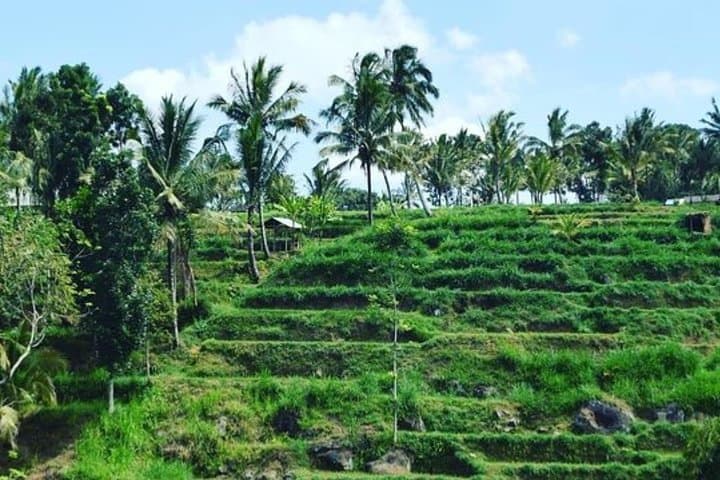

Morning light breaks over terraces as you step from an air-conditioned van into the cool, textured quiet of Tetebatu. The trail moves easily across rice paddies edged by irrigation channels that chatter like a small orchestra, then climbs to viewpoints where Rinjani’s cone fills the skyline—smoke-muted or cloud-capped depending on the day. Waterfalls punctuate the route; their spray dares you to pause and cool down. Monkeys shift through the forest canopy, inspecting passing visitors with casual curiosity.
Morning light breaks over terraces as you step from an air-conditioned van into the cool, textured quiet of Tetebatu. The trail moves easily across rice paddies edged by irrigation channels that chatter like a small orchestra, then climbs to viewpoints where Rinjani’s cone fills the skyline—smoke-muted or cloud-capped depending on the day. Waterfalls punctuate the route; their spray dares you to pause and cool down. Monkeys shift through the forest canopy, inspecting passing visitors with casual curiosity.
Tetebatu sits on Rinjani’s southern flank in East Lombok, an area shaped by the volcano’s repeated eruptions and the slow artistry of human terraces. The Sasak people farm rice, tobacco and pineapples here; simple village houses and woven handicrafts speak to a living culture that’s adapted to steep slopes and seasonal monsoon rhythms. Geologically, volcanic soils create the vivid greens and deep gullies where waterfalls gather.
Practically, this is a soft trek—three to four hours of mostly gentle tracks, village lanes and occasional stone steps, with short ascents to viewpoints. Footing can be muddy after rain; a steady pair of hiking shoes and a lightweight rain layer keep the day comfortable. Start early to avoid mid-day heat, carry 1–2 liters of water, and bring some rupiah for small purchases from local stalls. Guides lead the route and provide cultural context; respect photo requests and observe local customs around homes and temples.
Expect an easy, sensory day that blends volcano views, rural life and short forested sections—an accessible way to meet Lombok beyond the beaches.