THE ADVENTURE COLLECTIVE® · Independent discovery and booking for outdoor travel

A single-day cross-border run from Sofia to Skopje puts Ottoman alleys, Socialist monuments, and a canyon overlook within reach. Expect long but comfortable travel time, short guided commentary in transit, and two hours to explore Skopje’s compact center on your own.
A single-day cross-border run from Sofia to Skopje puts Ottoman alleys, Socialist monuments, and a canyon overlook within reach. Expect long but comfortable travel time, short guided commentary in transit, and two hours to explore Skopje’s compact center on your own.
You pull away from Sofia as the city thins into fields and low hills, the highway ribboning east toward the Bulgarian–North Macedonian border. Windows frame small stone villages and Birches bending in the wind; by late morning the clock is set one hour back and Skopje’s low skyline appears, a mix of Ottoman domes, Socialist-era blocks, and recent monumental architecture.
Verified experiences and guided adventures in the surrounding area.
Operated by Easy Bulgaria Travel Ltd · Skopje, Skopje Region
You pull away from Sofia as the city thins into fields and low hills, the highway ribboning east toward the Bulgarian–North Macedonian border. Windows frame small stone villages and Birches bending in the wind; by late morning the clock is set one hour back and Skopje’s low skyline appears, a mix of Ottoman domes, Socialist-era blocks, and recent monumental architecture.
Skopje sits on a long human corridor where Roman roads met Ottoman trade routes; its Old Bazaar grew from that commerce, and the 1963 earthquake reshaped the city’s mid-20th-century rebuilding. Geologically the region is a transition between the Vardar river valley and the surrounding karst hills—Matka Canyon, a short drive away, cuts narrow gorges and hosts caves and clear reservoirs.
Expect two hours of concentrated walking in the central districts: Stone Bridge, the Old Bazaar alleys, and the area around the fortress (Kale) are compact but paved with uneven stones. The provided guide gives context during the drive but, per regulations, cannot act as a licensed guide inside North Macedonia; you’ll explore the central area independently or hire a local guide on request.
Practical essentials: carry your passport and any necessary visas, allow time for border formalities, and bring local currency (Macedonian denar) or a card for lunch. Wear comfortable walking shoes for cobbles and light layers—Skopje’s weather can shift quickly. If you want to add Matka Canyon or a museum visit, arrange that in advance; otherwise plan for a relaxed midday lunch and a 3:30 pm departure to ensure timely return to Sofia.
easy.
13 hours.
Suitable for travelers in general good health who can handle a few hours of walking on uneven pavement
Yes—participants must carry a valid passport; visa requirements depend on your nationality, so check North Macedonian entry rules before travel.
Bulgarian guides provide commentary during the drive but are not authorized to guide inside North Macedonia; you will explore the central area on your own or can request a licensed local guide for an extra fee.
Yes—there’s typically free time for lunch (about an hour) in the city center; plan accordingly if you want a specific restaurant or dietary options.
Border processing varies by day and season but generally takes 15–45 minutes each way; the itinerary allows time for these checks.
Skopje’s layout reflects Roman routes, centuries of Ottoman urban life in the Old Bazaar, and extensive rebuilding after the 1963 earthquake that reshaped its mid-century architecture.
Popular sites like Matka Canyon are protected; avoid littering, stick to marked paths, and support local guides and businesses to keep visitor impact low.
Easy Bulgaria Travel Ltd operates guided outdoor trips and adventures with an emphasis on safety, stewardship, and memorable experiences.
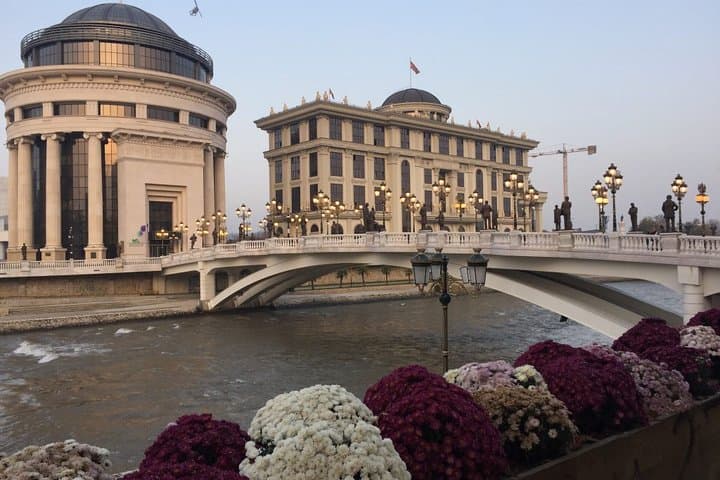
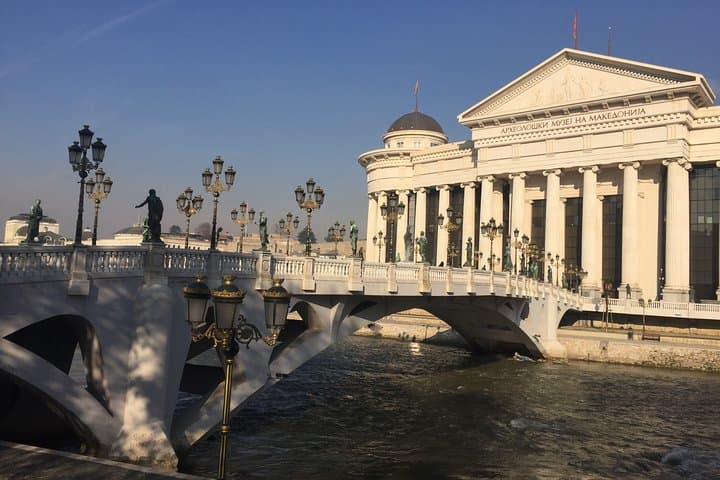
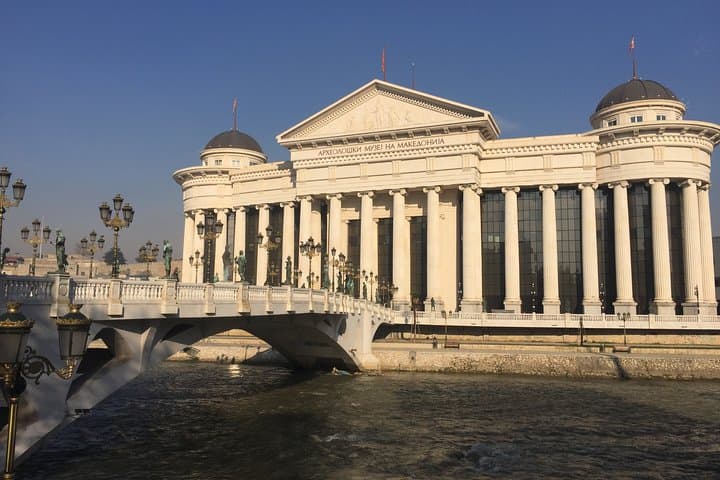
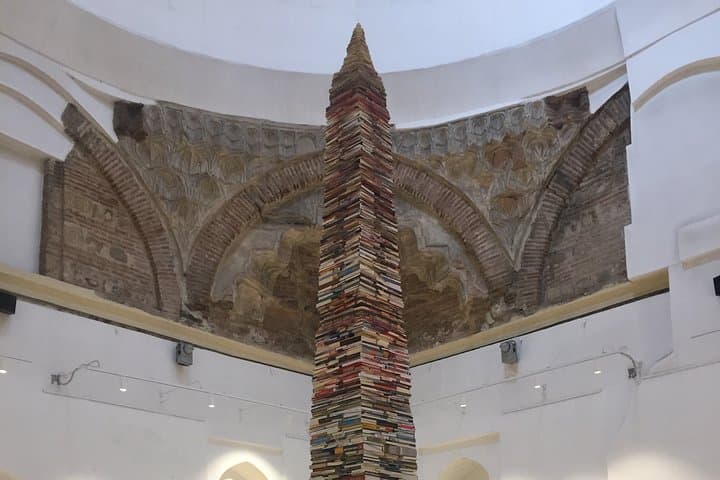
You pull away from Sofia as the city thins into fields and low hills, the highway ribboning east toward the Bulgarian–North Macedonian border. Windows frame small stone villages and Birches bending in the wind; by late morning the clock is set one hour back and Skopje’s low skyline appears, a mix of Ottoman domes, Socialist-era blocks, and recent monumental architecture.
You pull away from Sofia as the city thins into fields and low hills, the highway ribboning east toward the Bulgarian–North Macedonian border. Windows frame small stone villages and Birches bending in the wind; by late morning the clock is set one hour back and Skopje’s low skyline appears, a mix of Ottoman domes, Socialist-era blocks, and recent monumental architecture.
Skopje sits on a long human corridor where Roman roads met Ottoman trade routes; its Old Bazaar grew from that commerce, and the 1963 earthquake reshaped the city’s mid-20th-century rebuilding. Geologically the region is a transition between the Vardar river valley and the surrounding karst hills—Matka Canyon, a short drive away, cuts narrow gorges and hosts caves and clear reservoirs.
Expect two hours of concentrated walking in the central districts: Stone Bridge, the Old Bazaar alleys, and the area around the fortress (Kale) are compact but paved with uneven stones. The provided guide gives context during the drive but, per regulations, cannot act as a licensed guide inside North Macedonia; you’ll explore the central area independently or hire a local guide on request.
Practical essentials: carry your passport and any necessary visas, allow time for border formalities, and bring local currency (Macedonian denar) or a card for lunch. Wear comfortable walking shoes for cobbles and light layers—Skopje’s weather can shift quickly. If you want to add Matka Canyon or a museum visit, arrange that in advance; otherwise plan for a relaxed midday lunch and a 3:30 pm departure to ensure timely return to Sofia.