THE ADVENTURE COLLECTIVE® · Independent discovery and booking for outdoor travel

Spend a long day from Sofia visiting the UNESCO Rila Monastery in the Rila Mountains then exploring Plovdiv’s layered Old Town. Expect mountain scenery, frescoed chapels, Roman ruins and a 12–13 hour shared-shuttle itinerary.
Spend a long day from Sofia visiting the UNESCO Rila Monastery in the Rila Mountains then exploring Plovdiv’s layered Old Town. Expect mountain scenery, frescoed chapels, Roman ruins and a 12–13 hour shared-shuttle itinerary.
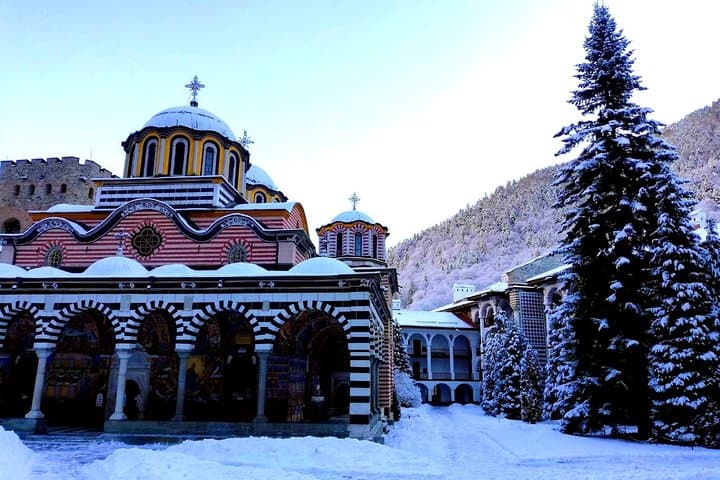
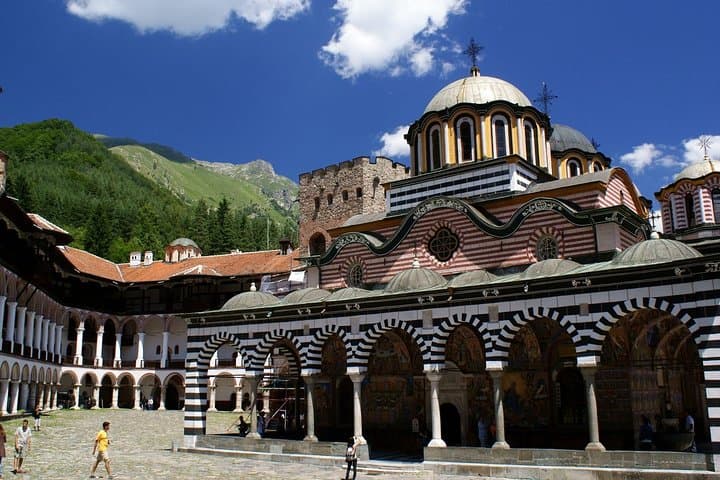
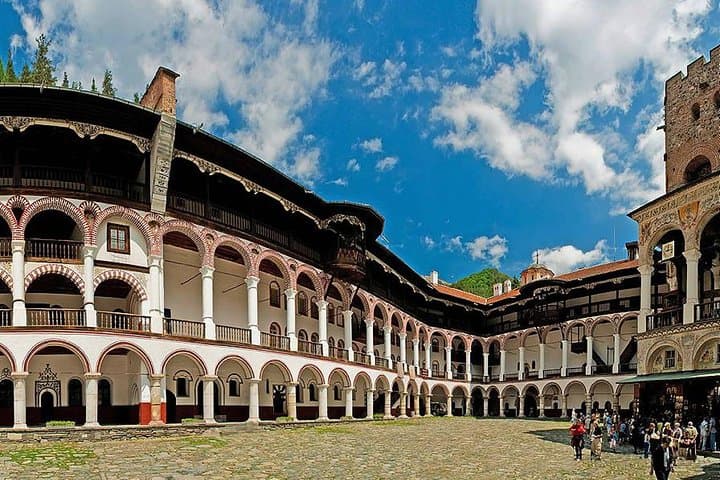
A pre-dawn shuttle pulls out of Knyaz Aleksander I square and the city recedes into a ribbon of highway; the Rila Mountains rise like a slow-moving tide, trees leaning into the wind as if urging you upward. By late morning you step into the monastery courtyard — frescoed walls, onion-domed roofs and a hush that presses against the chatter of the group. The mountains here seem to breathe, their glacial valleys keeping centuries of monastic quiet.
Verified experiences and guided adventures in the surrounding area.
Operated by URCA Ltd · Sofia, Sofia
A pre-dawn shuttle pulls out of Knyaz Aleksander I square and the city recedes into a ribbon of highway; the Rila Mountains rise like a slow-moving tide, trees leaning into the wind as if urging you upward. By late morning you step into the monastery courtyard — frescoed walls, onion-domed roofs and a hush that presses against the chatter of the group. The mountains here seem to breathe, their glacial valleys keeping centuries of monastic quiet.
Rila Monastery was founded in the 10th century by St. Ivan of Rila and grew into a cultural stronghold during the Ottoman period; its painted frescoes and timber architecture reflect Byzantine influence and Bulgarian revival-era craftsmanship. Geologically, the Rila range is a high-mountain massif carved by ice, offering steep ridgelines and fast rivers that shaped the valleys below.
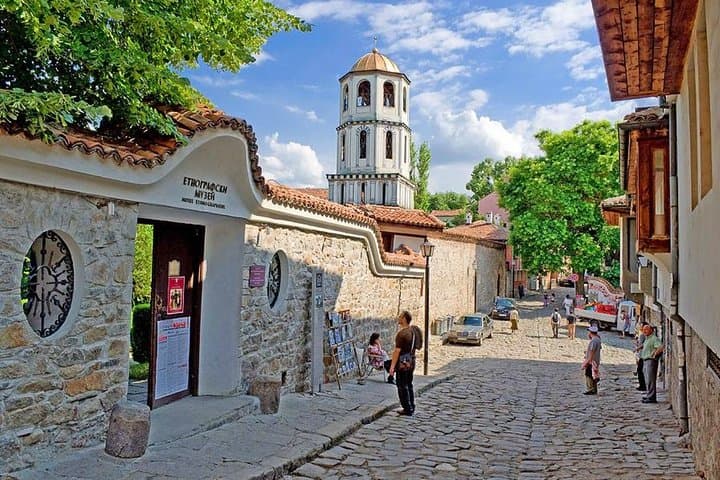
In the afternoon the shuttle winds east toward Plovdiv — one of Europe’s oldest continuously inhabited cities. The Roman theatre, cobbled Old Town lanes and Kapana arts quarter layer ancient stone with modern cafés and street art.
Practical guidance: this is a long, shared-day tour (about 12–13 hours). Expect roughly 1 hour to explore the monastery and ~4–5 hours for Plovdiv; there’s moderate walking and some stairs. Dress respectfully for the monastery — shoulders and knees covered — and bring sturdy shoes, water and layers for mountain weather. Traffic and seasonality can lengthen transfer times, so factor in a relaxed schedule if you want to join the free walking tour in Plovdiv. The trip balances cultural depth with alpine scenery — a compact, full-day introduction to Bulgaria’s spiritual and urban history.
easy.
12–13 hours.
Suitable for most fitness levels but expect a full day with moderate walking and some stairs; not recommended for those with serious cardiovascular issues.
Pick-up and drop-off are at Knyaz Aleksander I square in central Sofia (near Serdika metro); vehicles display a 'Rila Shuttle' sign.
Admissions are not included — the itinerary provides time to explore both sites independently and join optional local tours in Plovdiv.
Children are allowed but must be accompanied by an adult; infant seats are available if requested at booking.
No shorts or sleeveless tops; both men and women must cover knees and shoulders or risk refused entry.
Rila Monastery dates to the 10th century and became a center of Bulgarian culture during Ottoman rule; Plovdiv’s Old Town contains Roman, Byzantine and Ottoman layers, including a well-preserved Roman theatre.
Rila is part of a protected national park; visitors are asked to stay on paths, avoid littering and respect the monastery’s cultural heritage and dress codes.
URCA Ltd operates guided outdoor trips and adventures with an emphasis on safety, stewardship, and memorable experiences.
A pre-dawn shuttle pulls out of Knyaz Aleksander I square and the city recedes into a ribbon of highway; the Rila Mountains rise like a slow-moving tide, trees leaning into the wind as if urging you upward. By late morning you step into the monastery courtyard — frescoed walls, onion-domed roofs and a hush that presses against the chatter of the group. The mountains here seem to breathe, their glacial valleys keeping centuries of monastic quiet.
A pre-dawn shuttle pulls out of Knyaz Aleksander I square and the city recedes into a ribbon of highway; the Rila Mountains rise like a slow-moving tide, trees leaning into the wind as if urging you upward. By late morning you step into the monastery courtyard — frescoed walls, onion-domed roofs and a hush that presses against the chatter of the group. The mountains here seem to breathe, their glacial valleys keeping centuries of monastic quiet.
Rila Monastery was founded in the 10th century by St. Ivan of Rila and grew into a cultural stronghold during the Ottoman period; its painted frescoes and timber architecture reflect Byzantine influence and Bulgarian revival-era craftsmanship. Geologically, the Rila range is a high-mountain massif carved by ice, offering steep ridgelines and fast rivers that shaped the valleys below.
In the afternoon the shuttle winds east toward Plovdiv — one of Europe’s oldest continuously inhabited cities. The Roman theatre, cobbled Old Town lanes and Kapana arts quarter layer ancient stone with modern cafés and street art.
Practical guidance: this is a long, shared-day tour (about 12–13 hours). Expect roughly 1 hour to explore the monastery and ~4–5 hours for Plovdiv; there’s moderate walking and some stairs. Dress respectfully for the monastery — shoulders and knees covered — and bring sturdy shoes, water and layers for mountain weather. Traffic and seasonality can lengthen transfer times, so factor in a relaxed schedule if you want to join the free walking tour in Plovdiv. The trip balances cultural depth with alpine scenery — a compact, full-day introduction to Bulgaria’s spiritual and urban history.