THE ADVENTURE COLLECTIVE® · Independent discovery and booking for outdoor travel

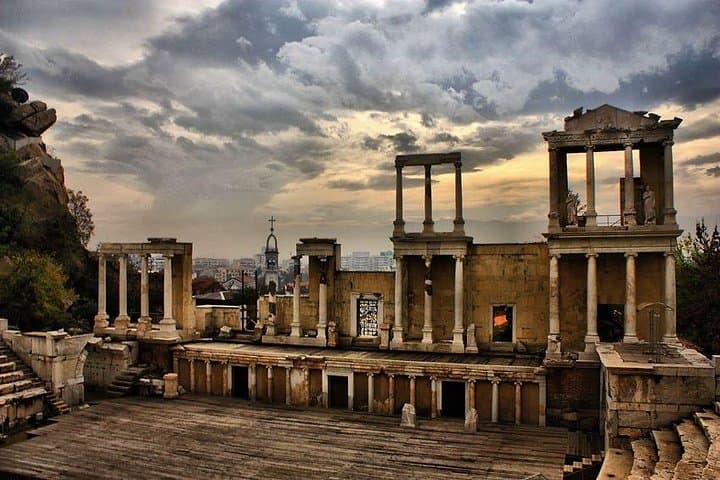
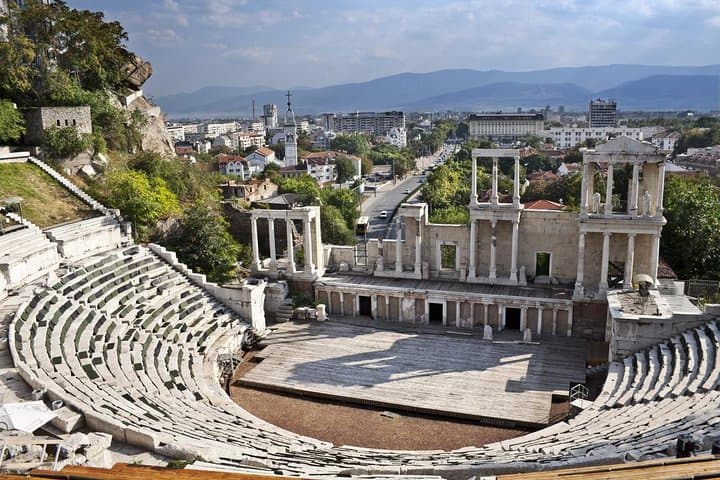
See Bulgaria’s capital and oldest towns in two days: Sofia’s cathedrals and Roman sites, Plovdiv’s Old Town and Roman theatre, then the fragrant Rose Valley and Kazanluk’s Thracian tomb. This compact tour pairs cultural highlights with scenic drives and local distillery visits.
See Bulgaria’s capital and oldest towns in two days: Sofia’s cathedrals and Roman sites, Plovdiv’s Old Town and Roman theatre, then the fragrant Rose Valley and Kazanluk’s Thracian tomb. This compact tour pairs cultural highlights with scenic drives and local distillery visits.
You step out of the minivan into a bright Balkan morning and Sofia’s layered skyline unfolds — Orthodox domes, Communist-era blocks, and Roman ruins sharing the same street.
Verified experiences and guided adventures in the surrounding area.
Operated by BulTrips · Sofia, Sofia City Province
You step out of the minivan into a bright Balkan morning and Sofia’s layered skyline unfolds — Orthodox domes, Communist-era blocks, and Roman ruins sharing the same street.
Day one threads you through the capital’s landmarks: Boyana Church’s frescoes that survived centuries, the domed silhouette of Alexander Nevsky Cathedral, and the odd, round Roman Rotunda that still keeps close watch. The guide moves with purpose, mixing civic history with practical shortcuts along cobblestones so you see more in a half-day than many do in a full one.
On day two the road climbs toward Plovdiv and then east into the Rose Valley, where low hills wear fields of roses like a seasonal coat. The valley’s geology is gentle — rolling loam and shale carved by streams — and its history is older than the villages: Thracian tombs, including Kazanluk’s UNESCO site, bear frescoes that speak to ancient ritual and craft. Shipka’s solitary church on the Stara Planina slopes anchors the region’s modern memory of liberation.
Practically, expect a mix of city walking and short rural transfers: comfortable shoes for cobbles, sun protection for open rose gardens, and layers for variable mountain breezes. Timed smartly, the itinerary balances museum stops, a family distillery visit at Damascena, and unhurried lunches in traditional restaurants.
For travelers who want history and landscape in a compressed window, this two-day route delivers context and scenery without heavy exertion — a practical, sensory introduction to central Bulgaria’s cultural geography.
moderate.
2 days (approx. 48 hours).
Suitable for travelers with a moderate level of fitness who can walk several city blocks and manage short staircases.
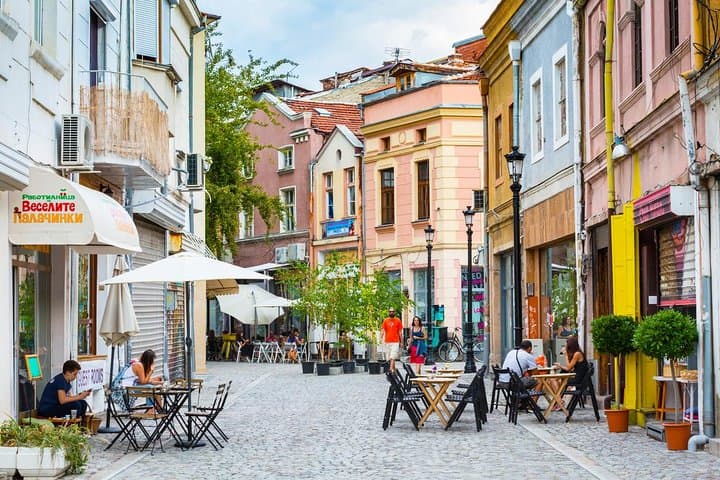
Expect several hours of walking each day in cities and brief outdoor strolls in the Rose Valley; terrain is mostly cobblestone and paved paths.
Typical tour inclusions list transport, guide and some breakfasts; confirm whether museum or tomb entrance fees are covered when booking.
Children can join but note the itinerary requires several hours of walking and museum visits; infant seats and child rates may apply if sharing with adults.
Yes — operators often offer private options and small-group arrangements; check availability and pricing in advance.
The Rose Valley and Kazanluk area are historically linked to Thracian civilization; the Kazanluk Thracian tomb preserves 4th-century BC frescoes and funerary architecture.
Rose oil production can be water- and labor-intensive; support small, family-run distilleries that use traditional, lower-impact methods and practice leave-no-trace when visiting fields.
BulTrips operates guided outdoor trips and adventures with an emphasis on safety, stewardship, and memorable experiences.
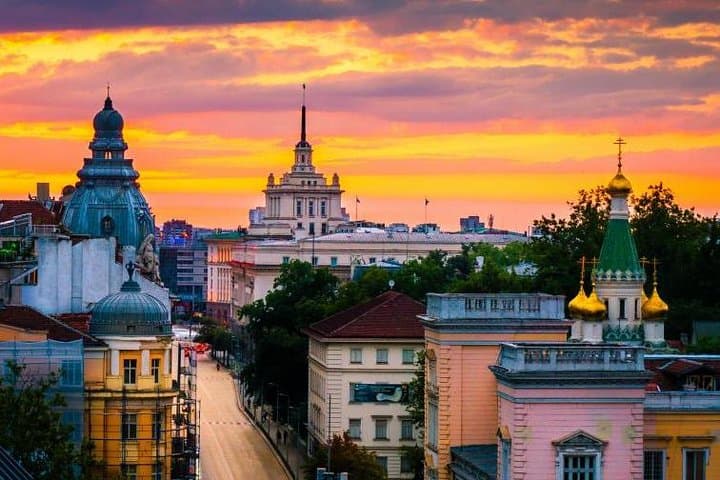
You step out of the minivan into a bright Balkan morning and Sofia’s layered skyline unfolds — Orthodox domes, Communist-era blocks, and Roman ruins sharing the same street.
You step out of the minivan into a bright Balkan morning and Sofia’s layered skyline unfolds — Orthodox domes, Communist-era blocks, and Roman ruins sharing the same street.
Day one threads you through the capital’s landmarks: Boyana Church’s frescoes that survived centuries, the domed silhouette of Alexander Nevsky Cathedral, and the odd, round Roman Rotunda that still keeps close watch. The guide moves with purpose, mixing civic history with practical shortcuts along cobblestones so you see more in a half-day than many do in a full one.
On day two the road climbs toward Plovdiv and then east into the Rose Valley, where low hills wear fields of roses like a seasonal coat. The valley’s geology is gentle — rolling loam and shale carved by streams — and its history is older than the villages: Thracian tombs, including Kazanluk’s UNESCO site, bear frescoes that speak to ancient ritual and craft. Shipka’s solitary church on the Stara Planina slopes anchors the region’s modern memory of liberation.
Practically, expect a mix of city walking and short rural transfers: comfortable shoes for cobbles, sun protection for open rose gardens, and layers for variable mountain breezes. Timed smartly, the itinerary balances museum stops, a family distillery visit at Damascena, and unhurried lunches in traditional restaurants.
For travelers who want history and landscape in a compressed window, this two-day route delivers context and scenery without heavy exertion — a practical, sensory introduction to central Bulgaria’s cultural geography.