THE ADVENTURE COLLECTIVE® · Independent discovery and booking for outdoor travel

Move from Sofia’s Roman streets to the green expanse of Boris’ Garden, ending under a historic telescope. This brisk 4‑hour walking tour pairs urban history with a rare visit to the Sofia University Astronomical Observatory.
Move from Sofia’s Roman streets to the green expanse of Boris’ Garden, ending under a historic telescope. This brisk 4‑hour walking tour pairs urban history with a rare visit to the Sofia University Astronomical Observatory.
You step out from the shadow of Saint Nedelya Church into a city that shows its age in layers—Roman stone rubbing shoulders with 19th‑century boulevards and the green sweep of Boris’ Garden. The walk moves quickly: a compact thread through Serdica’s excavated streets, past the quiet red brick of the St. George Rotunda, and under the gleam of Alexander Nevsky’s domes.
Verified experiences and guided adventures in the surrounding area.
Operated by BulTrips · Sofia, Sofia City Province
You step out from the shadow of Saint Nedelya Church into a city that shows its age in layers—Roman stone rubbing shoulders with 19th‑century boulevards and the green sweep of Boris’ Garden. The walk moves quickly: a compact thread through Serdica’s excavated streets, past the quiet red brick of the St. George Rotunda, and under the gleam of Alexander Nevsky’s domes.
Sofia’s story is plain on the pavement. Roman foundations underpin the modern grid; the Bulgarian Revival era reshaped public life; and the Observatory—founded in 1892—connects local scientific ambition to a European tradition of skywatching. Geologically the plain sits where the Balkan foothills meet river terraces, so the city feels flat but framed by distant ridgelines of Vitosha.
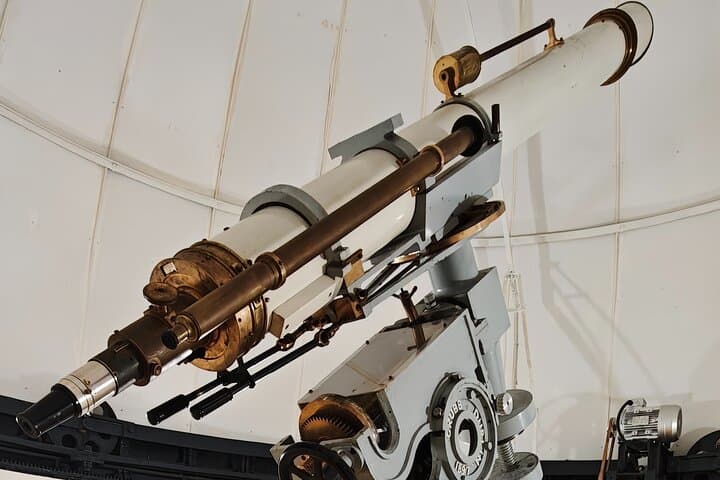
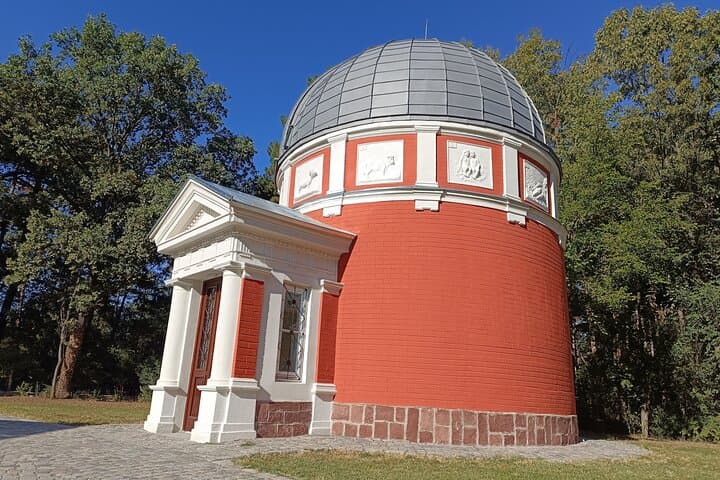
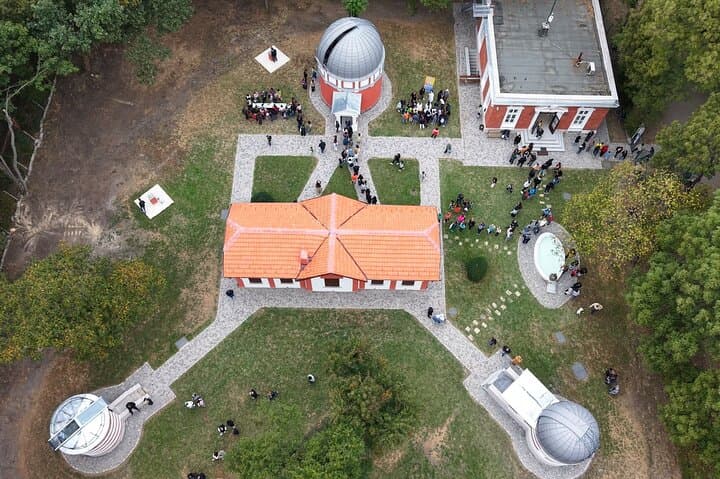
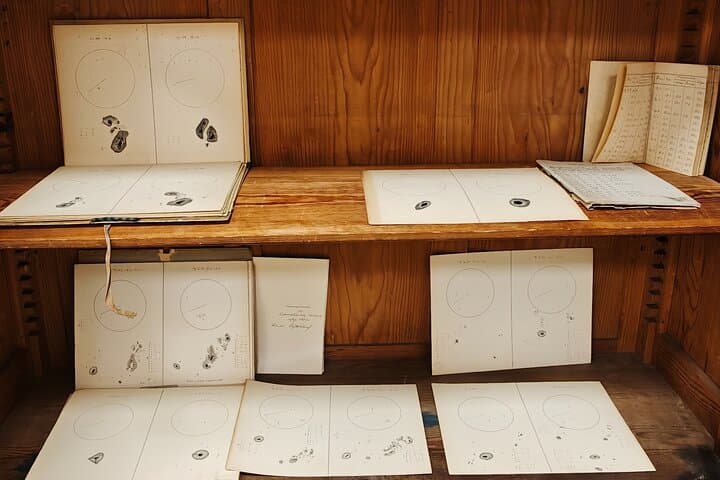
Boris’ Garden breathes like an urban lung: tree-lined alleys, small lakes with ducks, and monuments that map national memory. The tour culminates at Sofia University’s Astronomical Observatory where a 15.2cm Grubb refractor, restored and still functional, offers a hands‑on tie to over a century of observation. If skies are clear, the guide lines up the telescope and you’ll see familiar constellations with a historical instrument that once trained Bulgaria’s first modern astronomers.
Practical edge: expect four hours total with about 3–4 km of mostly paved walking, light standing indoors at the observatory, and potential telescope viewing dependent on weather. Bring comfortable shoes, a light jacket for cool evenings, and identification for entry. Tours suit curious travelers who want history, urban greenery, and a genuine night‑sky connection without wilderness effort.
easy.
4 hours.
Suitable for most fitness levels — light walking and standing for museum/observatory stops.
No—views through the telescope depend on clear skies and observatory scheduling; the guide will attempt viewing when weather permits.
Expect roughly 3–4 km of mostly flat walking over about 2 hours, plus up to 2 hours at the observatory for the guided visit and potential observation.
Yes—children can join, and strollers are accommodated, but telescope viewing may be limited by weather and evening timing.
Full refunds are available if you cancel at least 24 hours prior; tours may also be canceled for bad weather or insufficient travelers.
Sofia sits atop Serdica, a Roman town that left streets and basilica foundations visible under the modern city; the Sofia University Observatory dates to 1892 and played a key role in regional astronomy.
Minimize light pollution around the observatory by avoiding flash photography at night and stick to marked paths in Boris’ Garden to protect trees and nesting birds.
BulTrips operates guided outdoor trips and adventures with an emphasis on safety, stewardship, and memorable experiences.
You step out from the shadow of Saint Nedelya Church into a city that shows its age in layers—Roman stone rubbing shoulders with 19th‑century boulevards and the green sweep of Boris’ Garden. The walk moves quickly: a compact thread through Serdica’s excavated streets, past the quiet red brick of the St. George Rotunda, and under the gleam of Alexander Nevsky’s domes.
You step out from the shadow of Saint Nedelya Church into a city that shows its age in layers—Roman stone rubbing shoulders with 19th‑century boulevards and the green sweep of Boris’ Garden. The walk moves quickly: a compact thread through Serdica’s excavated streets, past the quiet red brick of the St. George Rotunda, and under the gleam of Alexander Nevsky’s domes.
Sofia’s story is plain on the pavement. Roman foundations underpin the modern grid; the Bulgarian Revival era reshaped public life; and the Observatory—founded in 1892—connects local scientific ambition to a European tradition of skywatching. Geologically the plain sits where the Balkan foothills meet river terraces, so the city feels flat but framed by distant ridgelines of Vitosha.
Boris’ Garden breathes like an urban lung: tree-lined alleys, small lakes with ducks, and monuments that map national memory. The tour culminates at Sofia University’s Astronomical Observatory where a 15.2cm Grubb refractor, restored and still functional, offers a hands‑on tie to over a century of observation. If skies are clear, the guide lines up the telescope and you’ll see familiar constellations with a historical instrument that once trained Bulgaria’s first modern astronomers.
Practical edge: expect four hours total with about 3–4 km of mostly paved walking, light standing indoors at the observatory, and potential telescope viewing dependent on weather. Bring comfortable shoes, a light jacket for cool evenings, and identification for entry. Tours suit curious travelers who want history, urban greenery, and a genuine night‑sky connection without wilderness effort.