THE ADVENTURE COLLECTIVE® · Independent discovery and booking for outdoor travel

Cross the border from Skopje for a full-day tour of Sofia’s layered history—Roman ruins, Ottoman architecture, and Vitosha’s skyline. This long day trip packs the city’s essential sights and practical border logistics into a single itinerary.
Cross the border from Skopje for a full-day tour of Sofia’s layered history—Roman ruins, Ottoman architecture, and Vitosha’s skyline. This long day trip packs the city’s essential sights and practical border logistics into a single itinerary.
A slow, steady highway unspools between low Balkan ridges as the minivan leaves Skopje behind and pushes toward Bulgaria’s capital. By midmorning you’ll step onto streets where Roman paving meets Soviet-era facades, where a mosque-turned-museum keeps Thracian and medieval fragments under the same roof. The tour compresses Sofia’s long story into a day: ancient Serdica buried beneath modern boulevards, Ottoman-era domes, and the pale block of the National Assembly that faces Vitosha’s wooded silhouette.
Verified experiences and guided adventures in the surrounding area.
Operated by Experience Balkan · Sofia, Sofia City Province
A slow, steady highway unspools between low Balkan ridges as the minivan leaves Skopje behind and pushes toward Bulgaria’s capital. By midmorning you’ll step onto streets where Roman paving meets Soviet-era facades, where a mosque-turned-museum keeps Thracian and medieval fragments under the same roof. The tour compresses Sofia’s long story into a day: ancient Serdica buried beneath modern boulevards, Ottoman-era domes, and the pale block of the National Assembly that faces Vitosha’s wooded silhouette.
Geology shows in the city’s thermal springs and in the dark shoulder of Vitosha—an ancient massif of granite and gneiss whose foothills frame panoramic views. Culturally, Sofia mixes Eastern Orthodox churches, mosques, and austere communist monuments, reflecting waves of empire and ideology. Local life centers on the Central Market Hall and Vitosha Boulevard, where coffee shops and bakeries animate sidewalk life.
Practical guidance: the day is long—expect about 12–13 hours including border formalities—so bring your passport and check visa requirements in advance. The itinerary typically includes short stops at Roman Serdica excavations, the former Banya Bashi Mosque, and central squares with time for a modest lunch. Wear supportive walking shoes; many highlights are viewed on foot across uneven streets and archaeological platforms. Hydrate and carry a small daypack—power banks and a light layer help against spring or autumn winds from Vitosha. If you prefer slower exploration, consider staying overnight in Sofia to trade a rushed schedule for deeper time in museums and parks.
easy.
12–13 hours.
Suitable for travelers in normal, everyday fitness—requires extended periods of standing and walking on uneven ground.
Visa requirements depend on your nationality—confirm entry rules for Bulgaria before booking; the tour operator will not handle visas for you.
The itinerary typically includes time for a tasteful lunch and coffee in Sofia’s central square, but lunch is not included in the tour price.
Driving from Skopje to Sofia is roughly 3–3.5 hours each way depending on traffic and border processing, forming the bulk of the day.
The tour is rated easy but includes walking on uneven surfaces and steps; notify the operator in advance about mobility needs and pickup location.
Sofia is among Europe’s oldest continuously inhabited cities, with visible layers from Thracian, Roman (Serdica), Byzantine, Ottoman, and modern Bulgarian periods.
Visitor pressure concentrates at central monuments—choose local eateries, avoid trampling archaeological surfaces, and follow signage to protect exposed ruins.
Experience Balkan operates guided outdoor trips and adventures with an emphasis on safety, stewardship, and memorable experiences.
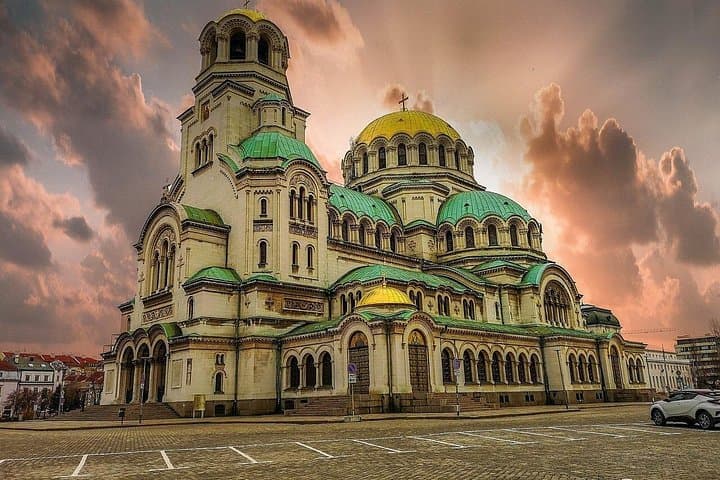
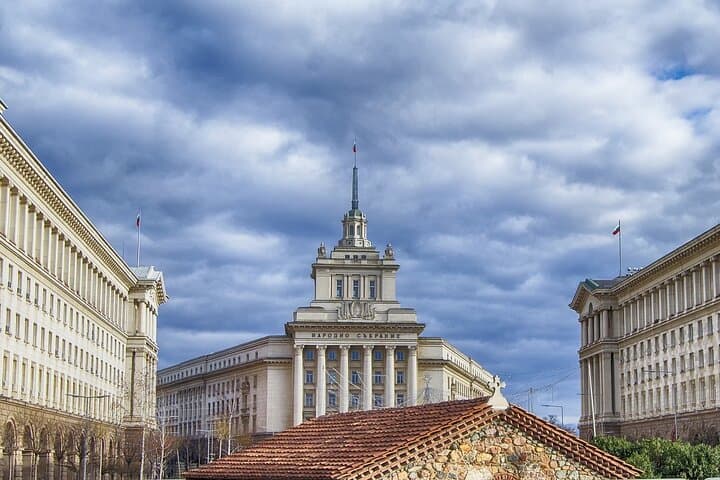
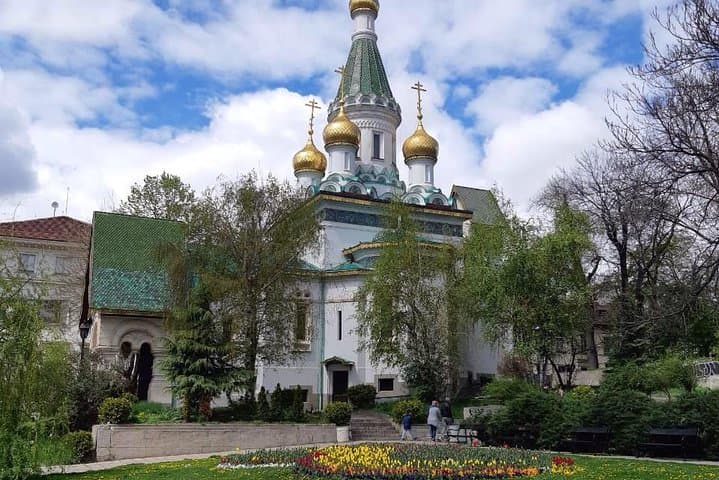
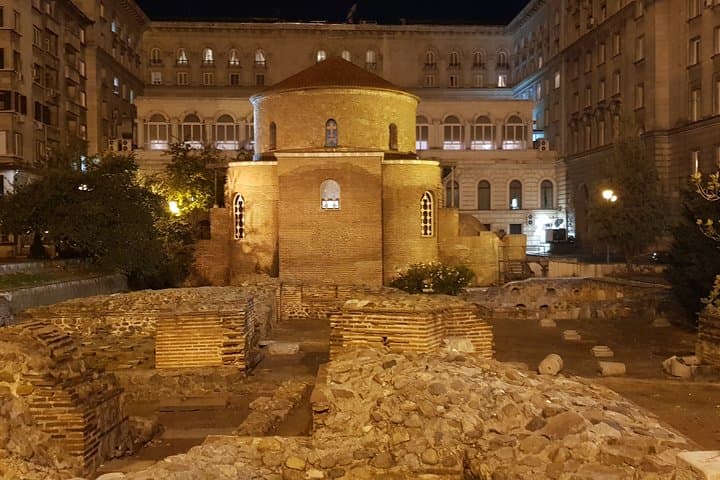
A slow, steady highway unspools between low Balkan ridges as the minivan leaves Skopje behind and pushes toward Bulgaria’s capital. By midmorning you’ll step onto streets where Roman paving meets Soviet-era facades, where a mosque-turned-museum keeps Thracian and medieval fragments under the same roof. The tour compresses Sofia’s long story into a day: ancient Serdica buried beneath modern boulevards, Ottoman-era domes, and the pale block of the National Assembly that faces Vitosha’s wooded silhouette.
A slow, steady highway unspools between low Balkan ridges as the minivan leaves Skopje behind and pushes toward Bulgaria’s capital. By midmorning you’ll step onto streets where Roman paving meets Soviet-era facades, where a mosque-turned-museum keeps Thracian and medieval fragments under the same roof. The tour compresses Sofia’s long story into a day: ancient Serdica buried beneath modern boulevards, Ottoman-era domes, and the pale block of the National Assembly that faces Vitosha’s wooded silhouette.
Geology shows in the city’s thermal springs and in the dark shoulder of Vitosha—an ancient massif of granite and gneiss whose foothills frame panoramic views. Culturally, Sofia mixes Eastern Orthodox churches, mosques, and austere communist monuments, reflecting waves of empire and ideology. Local life centers on the Central Market Hall and Vitosha Boulevard, where coffee shops and bakeries animate sidewalk life.
Practical guidance: the day is long—expect about 12–13 hours including border formalities—so bring your passport and check visa requirements in advance. The itinerary typically includes short stops at Roman Serdica excavations, the former Banya Bashi Mosque, and central squares with time for a modest lunch. Wear supportive walking shoes; many highlights are viewed on foot across uneven streets and archaeological platforms. Hydrate and carry a small daypack—power banks and a light layer help against spring or autumn winds from Vitosha. If you prefer slower exploration, consider staying overnight in Sofia to trade a rushed schedule for deeper time in museums and parks.