THE ADVENTURE COLLECTIVE® · Independent discovery and booking for outdoor travel

Walk Georgetown’s streets where salon conversation and statecraft intersected. This two-hour tour traces the lives of women who influenced Cold War Washington through homes, taverns, and the canal that witnessed their stories.
Walk Georgetown’s streets where salon conversation and statecraft intersected. This two-hour tour traces the lives of women who influenced Cold War Washington through homes, taverns, and the canal that witnessed their stories.
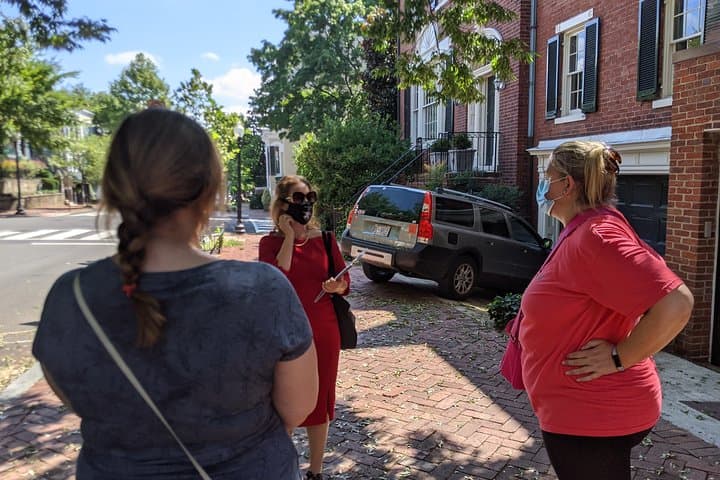
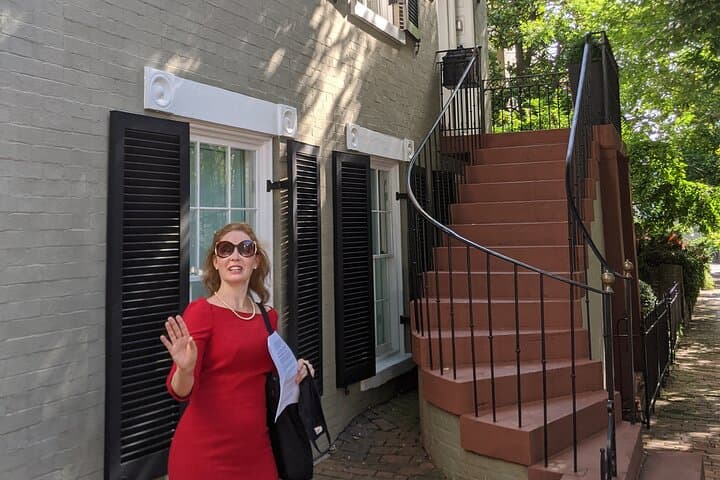
A brisk wind from the Potomac threads between brick rowhouses as the group gathers at P Street and Wisconsin Avenue. Guides lead visitors past iron fences and polished stoops, the clack of footsteps folding into canal water sounds; the neighborhood feels like a stage where private salons and public policy once collided.
Verified experiences and guided adventures in the surrounding area.
Operated by Off the Mall Tours · Washington, DC
A brisk wind from the Potomac threads between brick rowhouses as the group gathers at P Street and Wisconsin Avenue. Guides lead visitors past iron fences and polished stoops, the clack of footsteps folding into canal water sounds; the neighborhood feels like a stage where private salons and public policy once collided.
Georgetown was a 19th-century port turned 20th-century power node. During the Cold War and the Kennedy years, salons, embassies, and supper clubs—many in these very houses—became informal centers of influence. The tour traces geology only lightly: low bluffs and the Potomac's floodplain shaped the canal and towpath that run along the neighborhood’s edge, channels that framed both commerce and clandestine crossings.
Stops include the Wisner supper-club site, Martin’s Tavern where stories and proposals were exchanged, and houses tied to figures like Mary Pinchot Meyer and Ann Caracristi. Each stop connects a personal story to broader political currents: journalism, diplomacy, and codebreaking performed in parlors and back rooms.
Practicalities are straightforward. Expect two hours of urban walking over sidewalks, occasional cobblestones, and short stairways. The pace is conversational; groups average a few blocks between stops. Morning light makes plaque reading easier and crowds thinner. Wear supportive shoes, bring a Metro card or know nearby bus lines, and allow time after the tour to walk the canal or visit the Old Stone House. The tour is accessible to many fitness levels but includes standing and short uphill sections—good for travelers who want history served with fresh air and close-up neighborhood detail.
moderate.
2 hours.
Suitable for anyone with moderate mobility; involves standing and short uphill sections.
The tour runs approximately two hours and covers several short walking segments between stops.
The operator lists wheelchair accessibility for surfaces and options, but some historic sidewalks and short stair sections may require assistance—contact the operator to confirm needs.
No interior access is included; the guide discusses histories from the sidewalk outside private residences and public spots.
Morning or late afternoon avoids the midday heat and peak tourist crowds; weekday tours are generally quieter than weekends.
Georgetown began as an 18th-century port; by the 20th century its grand houses and clubs became informal sites of diplomacy and intelligence work tied to Cold War Washington.
The C&O Canal and adjacent parks are managed by the National Park Service; visitors are asked to stay on paths, pack out trash, and avoid disturbing riparian habitat.
Off the Mall Tours operates guided outdoor trips and adventures with an emphasis on safety, stewardship, and memorable experiences.
A brisk wind from the Potomac threads between brick rowhouses as the group gathers at P Street and Wisconsin Avenue. Guides lead visitors past iron fences and polished stoops, the clack of footsteps folding into canal water sounds; the neighborhood feels like a stage where private salons and public policy once collided.
A brisk wind from the Potomac threads between brick rowhouses as the group gathers at P Street and Wisconsin Avenue. Guides lead visitors past iron fences and polished stoops, the clack of footsteps folding into canal water sounds; the neighborhood feels like a stage where private salons and public policy once collided.
Georgetown was a 19th-century port turned 20th-century power node. During the Cold War and the Kennedy years, salons, embassies, and supper clubs—many in these very houses—became informal centers of influence. The tour traces geology only lightly: low bluffs and the Potomac's floodplain shaped the canal and towpath that run along the neighborhood’s edge, channels that framed both commerce and clandestine crossings.
Stops include the Wisner supper-club site, Martin’s Tavern where stories and proposals were exchanged, and houses tied to figures like Mary Pinchot Meyer and Ann Caracristi. Each stop connects a personal story to broader political currents: journalism, diplomacy, and codebreaking performed in parlors and back rooms.
Practicalities are straightforward. Expect two hours of urban walking over sidewalks, occasional cobblestones, and short stairways. The pace is conversational; groups average a few blocks between stops. Morning light makes plaque reading easier and crowds thinner. Wear supportive shoes, bring a Metro card or know nearby bus lines, and allow time after the tour to walk the canal or visit the Old Stone House. The tour is accessible to many fitness levels but includes standing and short uphill sections—good for travelers who want history served with fresh air and close-up neighborhood detail.