THE ADVENTURE COLLECTIVE® · Independent discovery and booking for outdoor travel

Spend a crisp winter day leaving Nagoya for hands-on soba-making, a Ji-kabuki theater visit, and a guided walk through Magome-juku on the historic Nakasendo Trail. This day trip pairs culinary craft with Edo-period history and a scenic Kiso Valley drive.
Spend a crisp winter day leaving Nagoya for hands-on soba-making, a Ji-kabuki theater visit, and a guided walk through Magome-juku on the historic Nakasendo Trail. This day trip pairs culinary craft with Edo-period history and a scenic Kiso Valley drive.
You step out of Nagoya Station beneath the silver clock and feel the city loosen its grip: the train rattles west, and the skyline thins as the Kiso Valley draws you into low, folded ridges dressed in winter white. Snow clings to cedar trunks; the road through the post towns narrows and exhales history.
Verified experiences and guided adventures in the surrounding area.
Operated by Snow Monkey Resorts Tours (Machinovate Japan Ltd.) · Nagoya, Aichi
You step out of Nagoya Station beneath the silver clock and feel the city loosen its grip: the train rattles west, and the skyline thins as the Kiso Valley draws you into low, folded ridges dressed in winter white. Snow clings to cedar trunks; the road through the post towns narrows and exhales history.
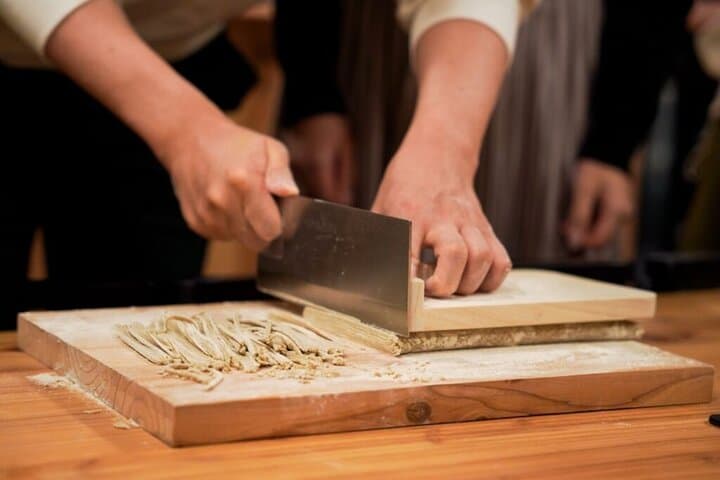
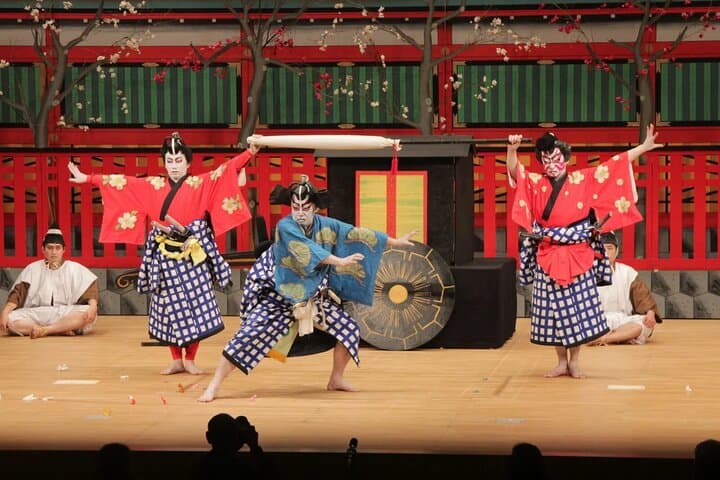
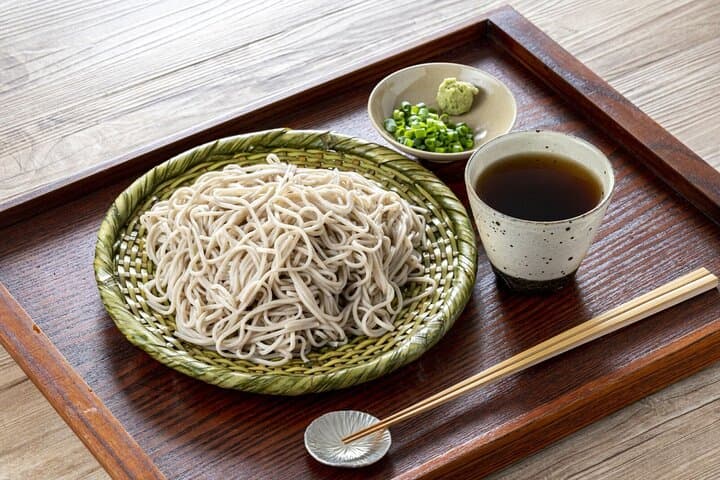
This full-day winter excursion pairs hands-on cuisine with cultural immersion. In a warm classroom led by a local chef you mix buckwheat dough, learn the rhythm of rolling and cutting, and sit down to a steaming bowl—soba that tastes of flour, water, and the valley’s cold air. The tour then introduces regional performance culture at a Ji-kabuki theater where an actor explains local interpretations of styles that once entertained travelers along the Nakasendo.
Magome-juku, a restored post town on the old Nakasendo road, anchors the route. The Nakasendo served Edo-period traffic between Kyoto and Edo; its stone steps and wooden eaves still show the match of human paths to steep slopes and the Kiso River’s energy that carved the valley.
Practical notes: meet at Nagoya’s silver clock before departure; the day includes about 2–3 hours of on-foot exploration across cobbled lanes and stairways, so expect short climbs and uneven surfaces. Dress in waterproof layers and sturdy soles for winter footing, and carry small bills for snacks and crafts during free time. The tour moves at a steady, accessible pace—part culinary lab, part cultural walk—best for travelers who want taste, texture, and history in one crisp day outside the city.
moderate.
9–10 hours.
Moderate fitness: able to walk on uneven surfaces and climb short flights of stairs over several periods during the day
Meet at the base of the silver clock inside Nagoya Station near the Taiko-Dori exit; allow extra time if you’re arriving by JR Shinkansen.
Local chefs can often accommodate common dietary needs if notified in advance—use the booking’s special requirements field to alert the operator.
Expect several hours total of walking on uneven cobblestones and short uphill/downhill stretches in Magome; seating is available during the soba workshop and theater visit.
This offering is advertised as a winter-only full-day tour; confirm current schedule with the operator before booking.
The Nakasendo was a principal inland route in the Edo period connecting Kyoto and Edo; post towns like Magome housed travelers, lodging, and regional commerce for centuries.
Kiso Valley communities manage visitor pressure through modest shop sizes and maintained walking paths; stick to trails and support local businesses to minimize impact.
Snow Monkey Resorts Tours (Machinovate Japan Ltd.) operates guided outdoor trips and adventures with an emphasis on safety, stewardship, and memorable experiences.

You step out of Nagoya Station beneath the silver clock and feel the city loosen its grip: the train rattles west, and the skyline thins as the Kiso Valley draws you into low, folded ridges dressed in winter white. Snow clings to cedar trunks; the road through the post towns narrows and exhales history.
You step out of Nagoya Station beneath the silver clock and feel the city loosen its grip: the train rattles west, and the skyline thins as the Kiso Valley draws you into low, folded ridges dressed in winter white. Snow clings to cedar trunks; the road through the post towns narrows and exhales history.
This full-day winter excursion pairs hands-on cuisine with cultural immersion. In a warm classroom led by a local chef you mix buckwheat dough, learn the rhythm of rolling and cutting, and sit down to a steaming bowl—soba that tastes of flour, water, and the valley’s cold air. The tour then introduces regional performance culture at a Ji-kabuki theater where an actor explains local interpretations of styles that once entertained travelers along the Nakasendo.
Magome-juku, a restored post town on the old Nakasendo road, anchors the route. The Nakasendo served Edo-period traffic between Kyoto and Edo; its stone steps and wooden eaves still show the match of human paths to steep slopes and the Kiso River’s energy that carved the valley.
Practical notes: meet at Nagoya’s silver clock before departure; the day includes about 2–3 hours of on-foot exploration across cobbled lanes and stairways, so expect short climbs and uneven surfaces. Dress in waterproof layers and sturdy soles for winter footing, and carry small bills for snacks and crafts during free time. The tour moves at a steady, accessible pace—part culinary lab, part cultural walk—best for travelers who want taste, texture, and history in one crisp day outside the city.