THE ADVENTURE COLLECTIVE® · Independent discovery and booking for outdoor travel

Launch from an alpine ridge above Zermatt and glide in tandem beneath the Matterhorn. This two-hour experience combines safe, guided flight with panoramic views of some of the Alps’ highest peaks.
Launch from an alpine ridge above Zermatt and glide in tandem beneath the Matterhorn. This two-hour experience combines safe, guided flight with panoramic views of some of the Alps’ highest peaks.
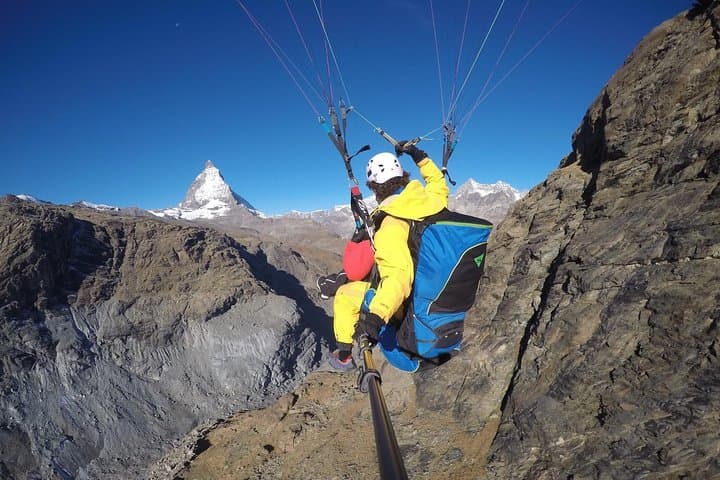
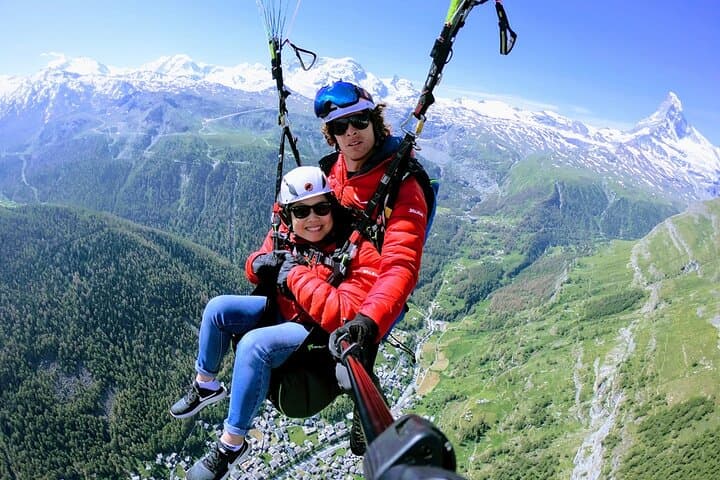
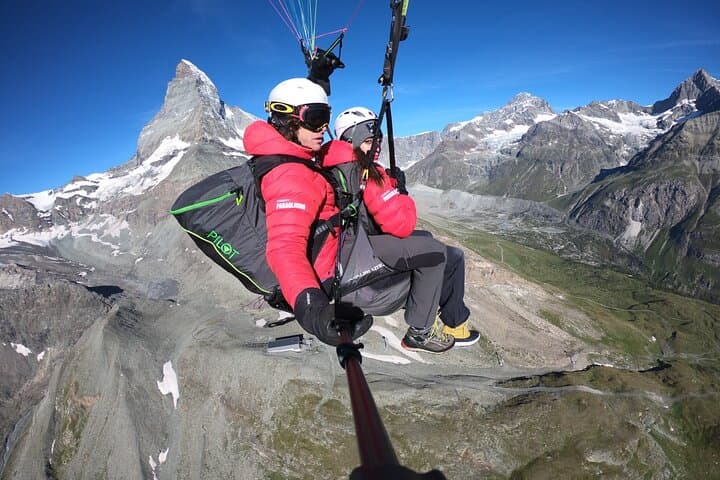
You step onto a narrow alpine launch, wind already testing the glider above you. The valley exhales below — trains and cowbells reduced to a hush — while the Matterhorn watches, a sharp ridge cutting the sky. Moments later the wing lifts; gravity loosens its grip and the world opens.
Verified experiences and guided adventures in the surrounding area.
Operated by Zermatt Paragliding · Zermatt, Valais
You step onto a narrow alpine launch, wind already testing the glider above you. The valley exhales below — trains and cowbells reduced to a hush — while the Matterhorn watches, a sharp ridge cutting the sky. Moments later the wing lifts; gravity loosens its grip and the world opens.
Paragliding from Zermatt places you in the high-Alpine theater where glaciers and horn-shaped peaks record millions of years of tectonic collision. The takeoff ridges are part of the Pennine Alps; 38 of Switzerland’s 48 4000m peaks sit in view, a compact history of uplift and erosion. Zermatt’s culture is mountain-born: multilingual guides, centuries of mountaineering tradition, and a village shaped by tourism and alpine rescue services.
Flights run as eco-friendly tandem experiences—pilots handle launch, navigation, and landing while passengers enjoy unobstructed vistas. Typical routes follow thermals and ridge lift, skimming glacier tongues and circling above larch forests that hold marmots and chamois.
Practical guidance: book morning slots for stable air; the transfer to the launch zone and a short walk to the takeoff are part of the two-hour window. Expect gentle runs at takeoff — you’ll need to jog a few steps — and a landing on a prepared grass slope. Weight and age limits apply; pilots will brief safety, harness, and emergency procedures. Wear sturdy shoes, windproof layers, and secure phones or cameras to a strap.
For first-timers this is an accessible, vivid way to read the Alps from above: quiet stretches of glide punctuated by the occasional animal call, the Matterhorn asserting its presence with every turn.
moderate.
2 hours.
Light cardio and the ability to jog a few steps for takeoff; not strenuous but requires basic mobility
No—this is a tandem flight; the pilot controls the glider and handles launch and landing while you enjoy the ride.
Yes—operators set minimum/maximum weight and often age limits; provide exact weight and age when booking to confirm eligibility.
Flights are canceled in unsuitable weather; full refunds or rescheduling are typically offered if conditions prevent safe flying.
Professional tandem pilots are certified, use inspected equipment, and follow local safety protocols; risk is minimized but not eliminated—follow the pilot’s briefing closely.
Zermatt’s history is tightly linked to alpinism; the village grew as climbers attempted nearby giants in the 19th century and developed guiding traditions still present today.
Operators emphasize low-impact flights and local regulations to protect sensitive alpine habitats; stick to marked access routes and avoid disturbing wildlife.
Zermatt Paragliding operates guided outdoor trips and adventures with an emphasis on safety, stewardship, and memorable experiences.

You step onto a narrow alpine launch, wind already testing the glider above you. The valley exhales below — trains and cowbells reduced to a hush — while the Matterhorn watches, a sharp ridge cutting the sky. Moments later the wing lifts; gravity loosens its grip and the world opens.
You step onto a narrow alpine launch, wind already testing the glider above you. The valley exhales below — trains and cowbells reduced to a hush — while the Matterhorn watches, a sharp ridge cutting the sky. Moments later the wing lifts; gravity loosens its grip and the world opens.
Paragliding from Zermatt places you in the high-Alpine theater where glaciers and horn-shaped peaks record millions of years of tectonic collision. The takeoff ridges are part of the Pennine Alps; 38 of Switzerland’s 48 4000m peaks sit in view, a compact history of uplift and erosion. Zermatt’s culture is mountain-born: multilingual guides, centuries of mountaineering tradition, and a village shaped by tourism and alpine rescue services.
Flights run as eco-friendly tandem experiences—pilots handle launch, navigation, and landing while passengers enjoy unobstructed vistas. Typical routes follow thermals and ridge lift, skimming glacier tongues and circling above larch forests that hold marmots and chamois.
Practical guidance: book morning slots for stable air; the transfer to the launch zone and a short walk to the takeoff are part of the two-hour window. Expect gentle runs at takeoff — you’ll need to jog a few steps — and a landing on a prepared grass slope. Weight and age limits apply; pilots will brief safety, harness, and emergency procedures. Wear sturdy shoes, windproof layers, and secure phones or cameras to a strap.
For first-timers this is an accessible, vivid way to read the Alps from above: quiet stretches of glide punctuated by the occasional animal call, the Matterhorn asserting its presence with every turn.