THE ADVENTURE COLLECTIVE® · Independent discovery and booking for outdoor travel

Launch from a Shivalik ridge and glide over river plains and sal forest—this tandem paragliding joyride over Jim Corbett blends easy-access adrenaline with sweeping wildlife views. Read on for what to expect, safety essentials, and the best time to fly.
Launch from a Shivalik ridge and glide over river plains and sal forest—this tandem paragliding joyride over Jim Corbett blends easy-access adrenaline with sweeping wildlife views. Read on for what to expect, safety essentials, and the best time to fly.
One step into the launch meadow and the valley opens beneath you—river channels carving the plain, Shivalik ridges stepping up toward the higher Himalaya, and the green of sal and riverine forest breathing below. The breeze teases the wing as instructors run pre-flight checks and straps click into place; when the canopy fills, gravity loosens and the earth briefly feels like a memory.
Verified experiences and guided adventures in the surrounding area.
Operated by Himalayan Griffon paragliding · Ramnagar, Uttarakhand
One step into the launch meadow and the valley opens beneath you—river channels carving the plain, Shivalik ridges stepping up toward the higher Himalaya, and the green of sal and riverine forest breathing below. The breeze teases the wing as instructors run pre-flight checks and straps click into place; when the canopy fills, gravity loosens and the earth briefly feels like a memory.
Corbett National Park was established in 1936 as India’s first national park (originally Hailey National Park) and carries the conservation legacy of Jim Corbett. Geologically the landscape is defined by the young Shivalik ranges and the alluvial floodplain of the Kosi and Ramganga rivers, which create the thermals pilots use to stay aloft. Local Kumaoni villages and temples—Garjiya Devi among them—add cultural markers along access routes, and seasonal river flows shape wildlife movements you may glimpse from the air.
Practically, tandem joyrides are instructor-led and require a short run on takeoff and an awareness of changing winds. Typical tandem airtime ranges from 10–25 minutes, with the full outing including briefing and transit taking about 1–2 hours. Morning flights (first light to mid-morning) give smoother air and better wildlife visibility; afternoons can be more thermal-active but bumpier.
Expect clear pre-flight safety briefings, a weight check, and basic physical requirements: ability to run a few steps and sit/stand unaided. Wear sturdy shoes, sun protection, and layers for early-morning chill. Follow guides regarding wildlife rules—no chasing animals or loud noise from the landing zone—and bring a camera or use the provided GoPro to capture the valley as the wing carries you over Corbett’s living landscape.
moderate.
1–2 hours.
Should be in moderate physical shape—able to run a few steps on takeoff and manage a brief landing; not suitable for those with major cardiovascular issues.
Tandem airtime typically ranges from 10 to 25 minutes depending on conditions; expect 1–2 hours total including briefing and transfer.
Operators usually enforce maximum and minimum weight limits and require participants to be above a minimum age; disclose exact weight and ages when booking.
Flights are canceled for safety in high winds, rain, or poor visibility—most operators offer refunds or rescheduling if canceled at least 24 hours prior.
No prior flying experience is required; tandem flights are instructor-controlled though you should be able to run briefly and follow safety instructions.
Jim Corbett National Park was created in 1936 as India’s first national park (then Hailey National Park) and is named after the hunter-turned-conservationist Jim Corbett.
The park is an active tiger-protection and community-conservation zone—follow park rules, avoid litter, and do not use drones that disturb wildlife.
Himalayan Griffon paragliding operates guided outdoor trips and adventures with an emphasis on safety, stewardship, and memorable experiences.
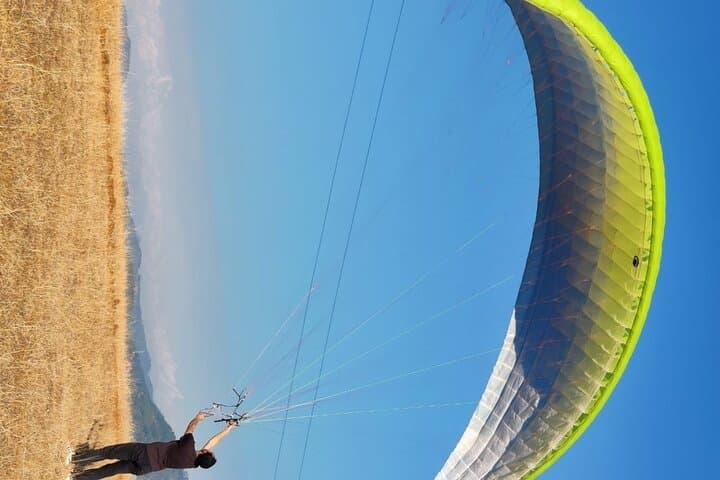
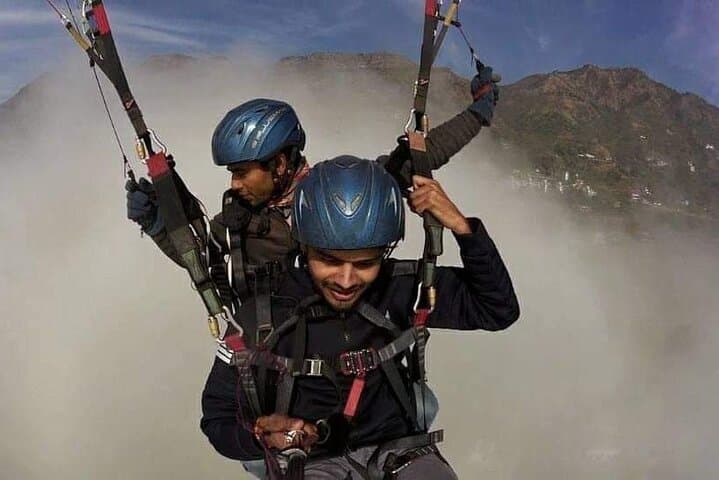
One step into the launch meadow and the valley opens beneath you—river channels carving the plain, Shivalik ridges stepping up toward the higher Himalaya, and the green of sal and riverine forest breathing below. The breeze teases the wing as instructors run pre-flight checks and straps click into place; when the canopy fills, gravity loosens and the earth briefly feels like a memory.
One step into the launch meadow and the valley opens beneath you—river channels carving the plain, Shivalik ridges stepping up toward the higher Himalaya, and the green of sal and riverine forest breathing below. The breeze teases the wing as instructors run pre-flight checks and straps click into place; when the canopy fills, gravity loosens and the earth briefly feels like a memory.
Corbett National Park was established in 1936 as India’s first national park (originally Hailey National Park) and carries the conservation legacy of Jim Corbett. Geologically the landscape is defined by the young Shivalik ranges and the alluvial floodplain of the Kosi and Ramganga rivers, which create the thermals pilots use to stay aloft. Local Kumaoni villages and temples—Garjiya Devi among them—add cultural markers along access routes, and seasonal river flows shape wildlife movements you may glimpse from the air.
Practically, tandem joyrides are instructor-led and require a short run on takeoff and an awareness of changing winds. Typical tandem airtime ranges from 10–25 minutes, with the full outing including briefing and transit taking about 1–2 hours. Morning flights (first light to mid-morning) give smoother air and better wildlife visibility; afternoons can be more thermal-active but bumpier.
Expect clear pre-flight safety briefings, a weight check, and basic physical requirements: ability to run a few steps and sit/stand unaided. Wear sturdy shoes, sun protection, and layers for early-morning chill. Follow guides regarding wildlife rules—no chasing animals or loud noise from the landing zone—and bring a camera or use the provided GoPro to capture the valley as the wing carries you over Corbett’s living landscape.