THE ADVENTURE COLLECTIVE® · Independent discovery and booking for outdoor travel

Fly over East Africa’s longest zipline and explore the Aberdare forest in a single private half-day. Expect 2+ km of cable, speeds to 60 km/h, canopy walks, horse rides and a guided return to Nairobi.
Fly over East Africa’s longest zipline and explore the Aberdare forest in a single private half-day. Expect 2+ km of cable, speeds to 60 km/h, canopy walks, horse rides and a guided return to Nairobi.
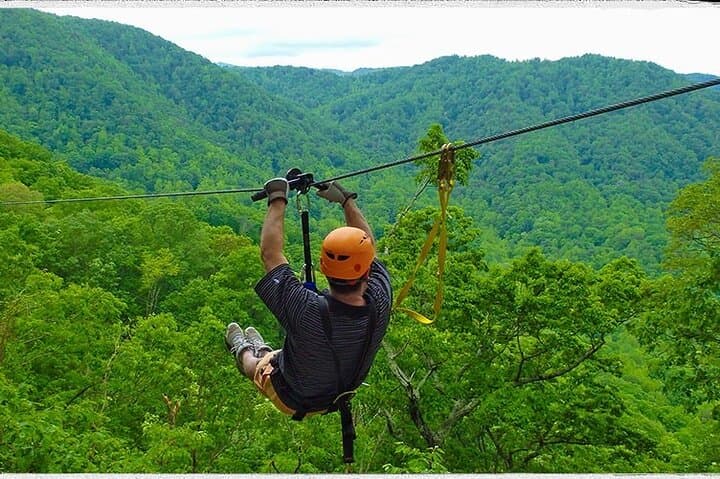
The first harness clips on with a soft click and the forest exhales beneath you — a green ceiling that rolls away as the cable takes you out, more than two kilometers of line stretching toward the next platform. At 100 meters above the treetops, the world narrows to the wind in your ears and a ribbon of valley and ridge below. Speeds climb toward 60 km/h; the descent is equal parts adrenaline and landscape study, as the Aberdare slopes mute the distant hum of Nairobi and the mountain air pulls at your jacket.
Verified experiences and guided adventures in the surrounding area.
Operated by Majestic Quest Tours and Travel · Nyeri, Nyeri County
The first harness clips on with a soft click and the forest exhales beneath you — a green ceiling that rolls away as the cable takes you out, more than two kilometers of line stretching toward the next platform. At 100 meters above the treetops, the world narrows to the wind in your ears and a ribbon of valley and ridge below. Speeds climb toward 60 km/h; the descent is equal parts adrenaline and landscape study, as the Aberdare slopes mute the distant hum of Nairobi and the mountain air pulls at your jacket.
This private zipline safari funnels modern engineering into an old place. The Aberdare Range, formed by volcanic uplift and sculpted by erosion, creates steep escarpments and deep valleys that feed Kenya’s central water catchments. In the 20th century the dense forests were a staging ground for Mau Mau fighters and later protected for their biodiversity; today platforms and cables sit where once footpaths threaded through bamboo and giant oak. Local Kikuyu and Meru communities still hunt, farm, and guide here, lending the day a cultural thread as earthy and practical as the harnesses you wear.
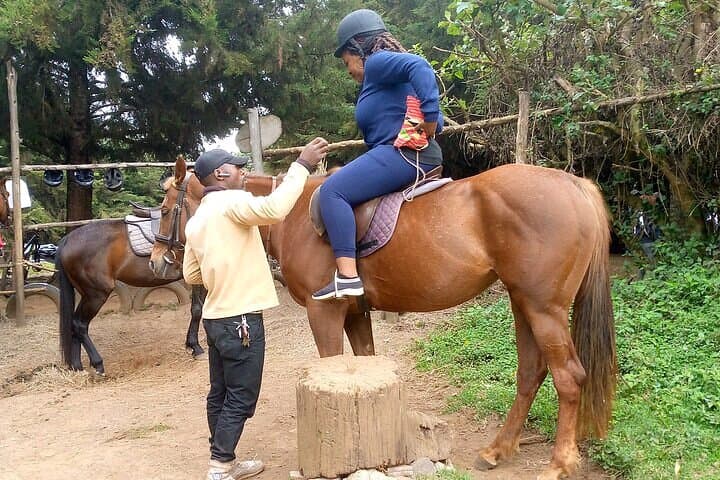
Your six-hour private outing is part aerial adventure, part land exploration. After the main zip runs you can opt for a guided nature walk beneath the canopy, a short horse ride along forest edges, or a gentle bike loop if you prefer wheels to hooves. Lunch is served mid-ride — simple, locally sourced fare packed to sustain you after the morning’s big drop — before a relaxed return to Nairobi.
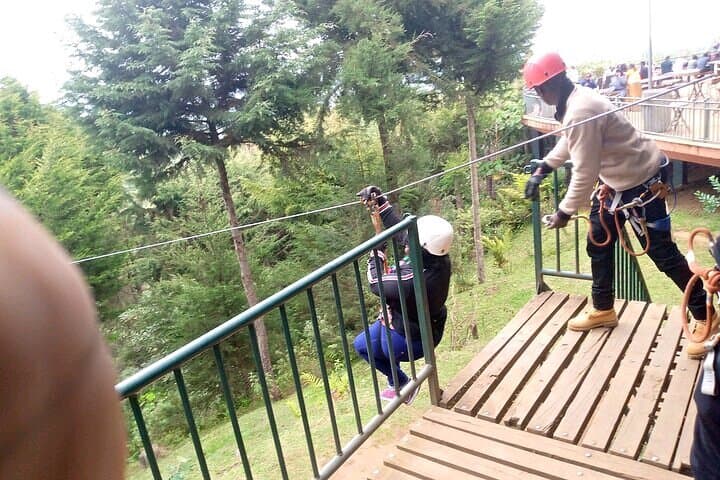
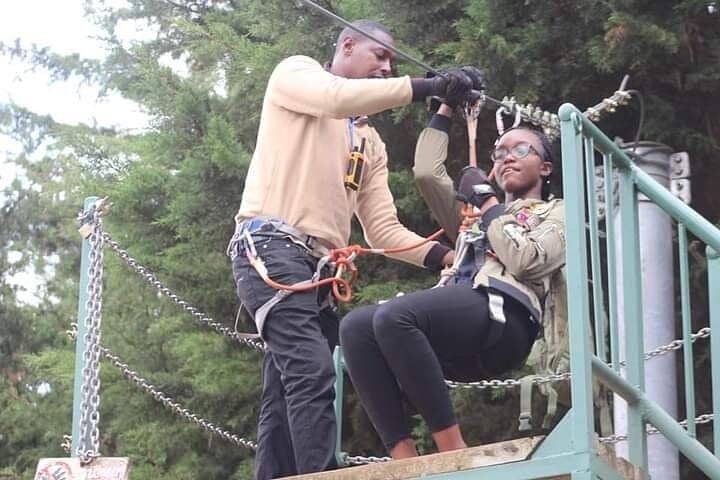
Practically, the setup is straightforward: experienced guides manage all transfers and safety checks, and an air-conditioned vehicle is included for the round trip. The terrain on the ground is forest tracks and modest singletrack for bikes; the only vertigo you need be ready for is on the cables. The tour is private and family-friendly but not recommended for pregnant travelers or those with serious back problems. Choose a morning slot to minimize wind on the lines and to catch the clearest views.
What to bring: sturdy closed-toe shoes, a light waterproof layer (weather shifts fast at elevation), sun protection, and a small daypack. Phones are best stowed on the zip; guides provide secure helmet camera options if you want footage. Above all, leave space in your schedule for the quiet afterward — that slow, grounded breath when the harness comes off and the forest seems to fold you back in.
moderate.
5–6 hours.
Suitable for most active travelers — basic stamina for short walks, ability to mount a horse or bike is helpful.
The facility features lines totaling more than 2 kilometers with individual runs that send riders roughly 100 meters above the canopy.
Yes — the experience is family-friendly, but age and weight restrictions may apply; check with the operator at booking.
No — professional harnesses and helmets are provided and inspected by guides before every run.
Yes — air-conditioned private vehicle pickup from Nairobi hotels or the airport is included; share your pickup point when booking.
Closed-toe shoes, layered clothing for cooler elevation, and sun protection are recommended; avoid loose scarves or dangling accessories.
Guides usually provide options for helmet-mounted video or on-platform photos; confirm availability and any extra fees beforehand.
The Aberdare forests were a strategic refuge during the Mau Mau uprising and later protected as a critical water catchment and biodiversity reserve.
Operators emphasize low-impact access: stay on marked trails, avoid single-use plastics, and support local guides and community-run lunch providers.
Majestic Quest Tours and Travel operates guided outdoor trips and adventures with an emphasis on safety, stewardship, and memorable experiences.
The first harness clips on with a soft click and the forest exhales beneath you — a green ceiling that rolls away as the cable takes you out, more than two kilometers of line stretching toward the next platform. At 100 meters above the treetops, the world narrows to the wind in your ears and a ribbon of valley and ridge below. Speeds climb toward 60 km/h; the descent is equal parts adrenaline and landscape study, as the Aberdare slopes mute the distant hum of Nairobi and the mountain air pulls at your jacket.
The first harness clips on with a soft click and the forest exhales beneath you — a green ceiling that rolls away as the cable takes you out, more than two kilometers of line stretching toward the next platform. At 100 meters above the treetops, the world narrows to the wind in your ears and a ribbon of valley and ridge below. Speeds climb toward 60 km/h; the descent is equal parts adrenaline and landscape study, as the Aberdare slopes mute the distant hum of Nairobi and the mountain air pulls at your jacket.
This private zipline safari funnels modern engineering into an old place. The Aberdare Range, formed by volcanic uplift and sculpted by erosion, creates steep escarpments and deep valleys that feed Kenya’s central water catchments. In the 20th century the dense forests were a staging ground for Mau Mau fighters and later protected for their biodiversity; today platforms and cables sit where once footpaths threaded through bamboo and giant oak. Local Kikuyu and Meru communities still hunt, farm, and guide here, lending the day a cultural thread as earthy and practical as the harnesses you wear.
Your six-hour private outing is part aerial adventure, part land exploration. After the main zip runs you can opt for a guided nature walk beneath the canopy, a short horse ride along forest edges, or a gentle bike loop if you prefer wheels to hooves. Lunch is served mid-ride — simple, locally sourced fare packed to sustain you after the morning’s big drop — before a relaxed return to Nairobi.
Practically, the setup is straightforward: experienced guides manage all transfers and safety checks, and an air-conditioned vehicle is included for the round trip. The terrain on the ground is forest tracks and modest singletrack for bikes; the only vertigo you need be ready for is on the cables. The tour is private and family-friendly but not recommended for pregnant travelers or those with serious back problems. Choose a morning slot to minimize wind on the lines and to catch the clearest views.
What to bring: sturdy closed-toe shoes, a light waterproof layer (weather shifts fast at elevation), sun protection, and a small daypack. Phones are best stowed on the zip; guides provide secure helmet camera options if you want footage. Above all, leave space in your schedule for the quiet afterward — that slow, grounded breath when the harness comes off and the forest seems to fold you back in.