THE ADVENTURE COLLECTIVE® · Independent discovery and booking for outdoor travel

Lift off from a small boat and float up to 800 feet above Roatán’s clear waters for panoramic views of the Mesoamerican Reef. This private parasail experience pairs a short, high-altitude thrill with boat transfers and snorkel time for a full half-day outing.
Lift off from a small boat and float up to 800 feet above Roatán’s clear waters for panoramic views of the Mesoamerican Reef. This private parasail experience pairs a short, high-altitude thrill with boat transfers and snorkel time for a full half-day outing.
The boat slips away from the dock and the reef drops into a pool of blue; the engine thumps underneath you and the harness becomes the last step between the ocean and the sky. In minutes the harness tightens, the chute fills, and you are lifted—800 feet above the glassy sea—watching coral fingers and sandbars arrange themselves like a map beneath you.
Verified experiences and guided adventures in the surrounding area.
Operated by Roatan Visitor · Roatán, Bay Islands
The boat slips away from the dock and the reef drops into a pool of blue; the engine thumps underneath you and the harness becomes the last step between the ocean and the sky. In minutes the harness tightens, the chute fills, and you are lifted—800 feet above the glassy sea—watching coral fingers and sandbars arrange themselves like a map beneath you.
Roatán sits on the western rim of the Mesoamerican Barrier Reef, a geological shelf of limestone and coral that shapes the island’s clear, shallow lagoons. The Bay Islands have a layered history: indigenous Lenca and Pech peoples, waves of English-speaking settlers, and a long maritime tradition. That mix fuels the island’s fishing villages, boat culture, and reef-focused conservation efforts you’ll see from above.
Practical guidance is straightforward: operators run short, guided flights from tenders or small boats; expect one or two individual flights per passenger during a 3–5 hour shore excursion. Morning runs usually find calmer winds and clearer views, while afternoon thermals can make flights bumpier. Guests should be comfortable climbing a short ladder, able to sit in a harness for 10–20 minutes, and disclose weight and health limits ahead of time.
Bring reef-safe sunscreen, sunglasses with a retainer, and a small waterproof camera or phone in a float case. Listen to the crew’s safety briefing—lifejacket fit and quick-release harness checks are routine. After the flight, many operators offer snorkeling or short beach stops so you can trade altitude for a close look at the coral gardens you just circled.
moderate.
3–5 hours.
Moderately fit: able to climb a small ladder, sit in a harness, and follow brief safety instructions
Individual flights typically last 8–20 minutes in the air; the full activity including transfers and briefings is usually 3–5 hours.
Yes—operators set maximum and minimum weight limits and may require children to sit on an adult’s lap; disclose ages and weights when booking.
Lifejackets are worn during the activity, but non-swimmers should inform the operator; parasailing is water-based and requires comfort around boats and ladders.
Trips are canceled or rescheduled for high winds, heavy rain, or unsafe sea conditions; cancellation policies often allow refunds if called off 24 hours in advance.
The Bay Islands sit on the Mesoamerican Reef and have a mixed cultural heritage of indigenous groups, Afro-Caribbean Garifuna, and English-speaking settlers—maritime life has shaped local livelihoods for centuries.
Choose operators that avoid anchoring on reefs, use reef-safe sunscreen, and support local reef restoration or marine sanctuaries to minimize impact.
Roatan Visitor operates guided outdoor trips and adventures with an emphasis on safety, stewardship, and memorable experiences.
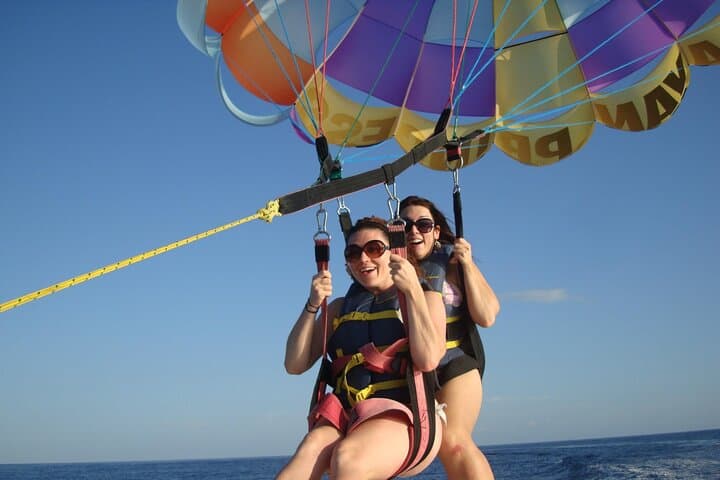
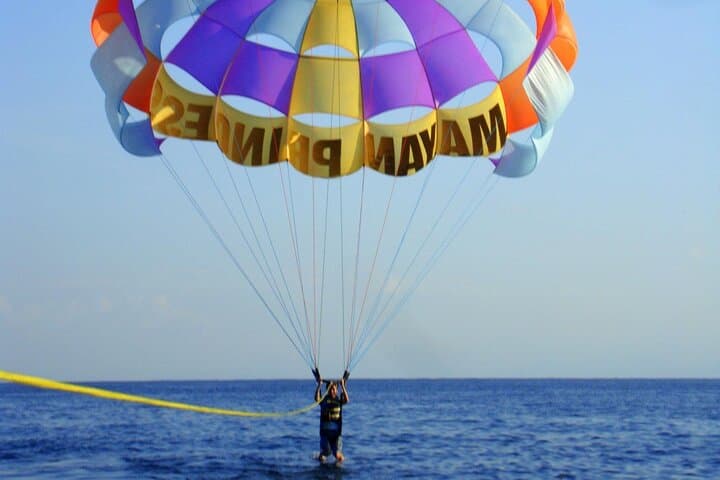
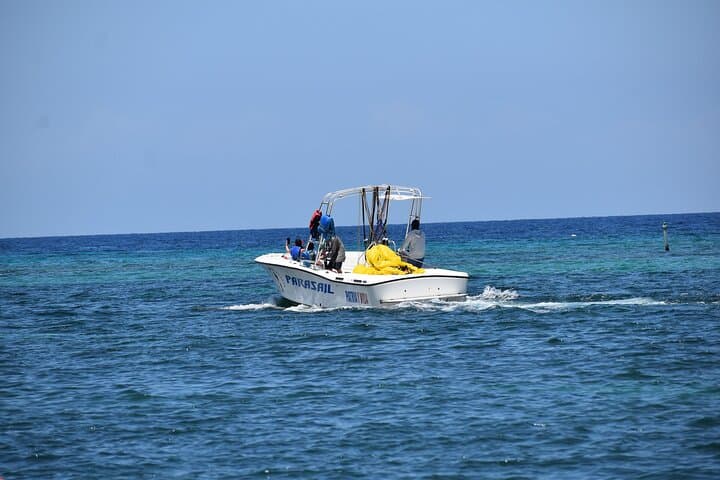
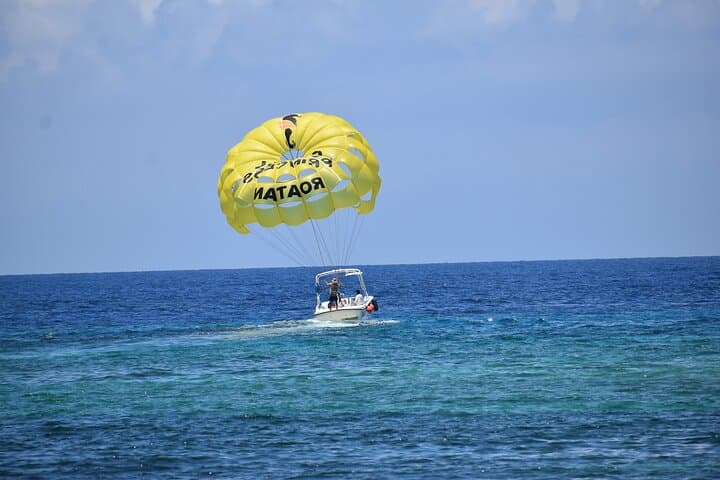
The boat slips away from the dock and the reef drops into a pool of blue; the engine thumps underneath you and the harness becomes the last step between the ocean and the sky. In minutes the harness tightens, the chute fills, and you are lifted—800 feet above the glassy sea—watching coral fingers and sandbars arrange themselves like a map beneath you.
The boat slips away from the dock and the reef drops into a pool of blue; the engine thumps underneath you and the harness becomes the last step between the ocean and the sky. In minutes the harness tightens, the chute fills, and you are lifted—800 feet above the glassy sea—watching coral fingers and sandbars arrange themselves like a map beneath you.
Roatán sits on the western rim of the Mesoamerican Barrier Reef, a geological shelf of limestone and coral that shapes the island’s clear, shallow lagoons. The Bay Islands have a layered history: indigenous Lenca and Pech peoples, waves of English-speaking settlers, and a long maritime tradition. That mix fuels the island’s fishing villages, boat culture, and reef-focused conservation efforts you’ll see from above.
Practical guidance is straightforward: operators run short, guided flights from tenders or small boats; expect one or two individual flights per passenger during a 3–5 hour shore excursion. Morning runs usually find calmer winds and clearer views, while afternoon thermals can make flights bumpier. Guests should be comfortable climbing a short ladder, able to sit in a harness for 10–20 minutes, and disclose weight and health limits ahead of time.
Bring reef-safe sunscreen, sunglasses with a retainer, and a small waterproof camera or phone in a float case. Listen to the crew’s safety briefing—lifejacket fit and quick-release harness checks are routine. After the flight, many operators offer snorkeling or short beach stops so you can trade altitude for a close look at the coral gardens you just circled.