THE ADVENTURE COLLECTIVE® · Independent discovery and booking for outdoor travel

Skip transit stress and step straight into Széchenyi’s steaming outdoor pools with a private transfer. This historic 1913 thermal complex blends neo-baroque architecture, geothermal water, and Hungarian bathing culture for a restorative urban escape.
Skip transit stress and step straight into Széchenyi’s steaming outdoor pools with a private transfer. This historic 1913 thermal complex blends neo-baroque architecture, geothermal water, and Hungarian bathing culture for a restorative urban escape.
You arrive by private transfer to Városliget as steam threads up from pale-yellow neo-baroque facades and the city’s winter air or summer sun meets water that’s been rising here for millennia.
Verified experiences and guided adventures in the surrounding area.
Operated by Z-Ocean Tours LLC · Budapest, Budapest
You arrive by private transfer to Városliget as steam threads up from pale-yellow neo-baroque facades and the city’s winter air or summer sun meets water that’s been rising here for millennia.
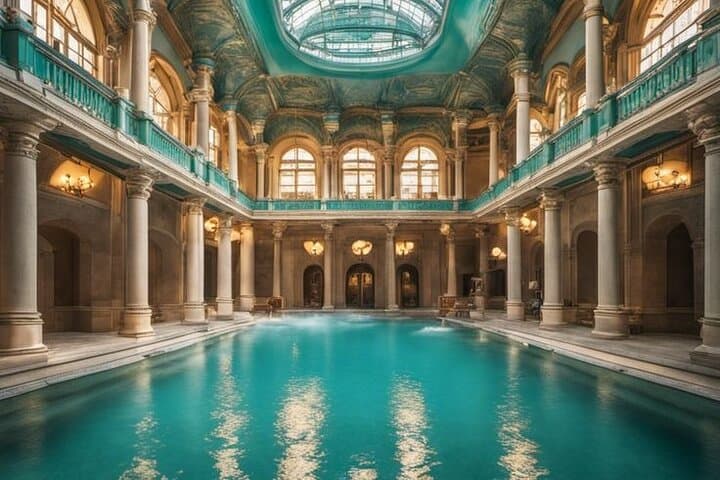
Széchenyi is one of Europe’s largest thermal bath complexes — opened in 1913 and fed by geothermal springs from the Pannonian Basin — where mineral-rich pools, saunas, and steam rooms sit under carved stone and ironwork. The complex blends Austro-Hungarian architecture with a long Hungarian bathing culture: poolside chess games, slow immersion, and communal relaxation are as much social ritual as therapy.
Geologically, the baths tap deep, naturally heated aquifers; culturally, they are a civic place where locals and visitors share space. Gundel restaurants and Vajdahunyad Castle sit nearby, making a visit part of a full City Park day.
Practically, the private transfer removes the puzzle of navigating trams and subway lines, delivering you to an accessible entrance where lockers and towel rentals are available. Plan on 3–4 hours for soaking, moving between hot pools, cool plunges, and saunas. Shower before entering pools, wear proper swimwear, and use non-slip footwear. Drink water between sessions and avoid alcohol while bathing.
Peak times are midday and early evening; early-morning or late slots are quieter. Respect local rules — no diving, keep voices moderate — and consider adding a massage or thermal therapy session if you want a fuller wellness day. The experience is both restorative and unmistakably Budapest: warm water that seems to remember the city’s history as you float beneath its architecture.
easy.
3–4 hours.
Suitable for all fitness levels; expect light walking and standing when changing pools.
Policies vary—lockers are provided but towels may be an extra charge; confirm with your booking or bring your own.
Yes; the facility provides wheelchair access to many areas and the private transfer can accommodate accessible pickup and drop-off.
Children are allowed but rules differ by age and pool—infants should use swim diapers and caregivers must supervise at all times.
Yes—proper swimwear is required in all public pools and saunas; street clothes and underwear are not permitted.
Opened in 1913, Széchenyi was built in neo-baroque style on City Park and has been central to Budapest’s public bathing tradition ever since.
The baths rely on managed geothermal sources and historic infrastructure—minimize plastic use, follow facility rules, and avoid introducing soaps into pools to protect water quality.
Z-Ocean Tours LLC operates guided outdoor trips and adventures with an emphasis on safety, stewardship, and memorable experiences.
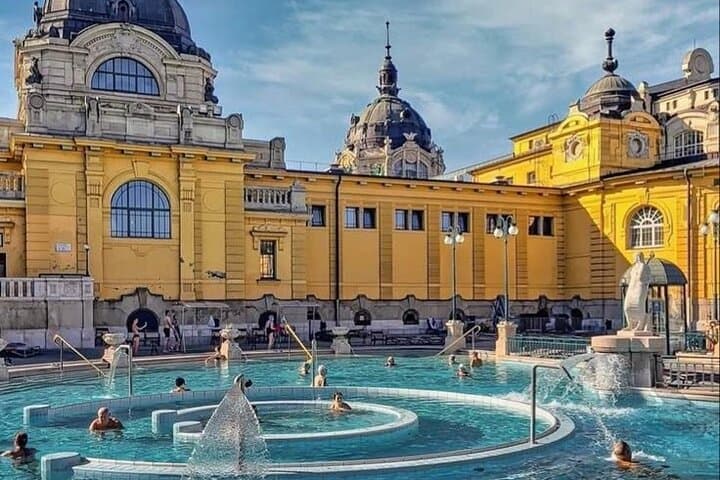
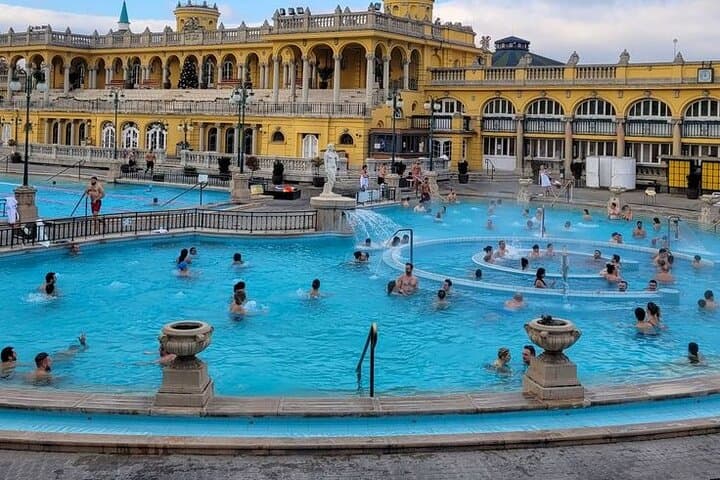
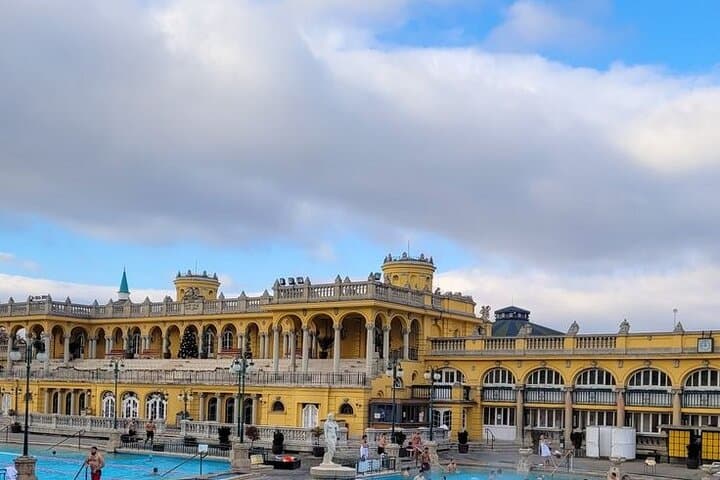
You arrive by private transfer to Városliget as steam threads up from pale-yellow neo-baroque facades and the city’s winter air or summer sun meets water that’s been rising here for millennia.
You arrive by private transfer to Városliget as steam threads up from pale-yellow neo-baroque facades and the city’s winter air or summer sun meets water that’s been rising here for millennia.
Széchenyi is one of Europe’s largest thermal bath complexes — opened in 1913 and fed by geothermal springs from the Pannonian Basin — where mineral-rich pools, saunas, and steam rooms sit under carved stone and ironwork. The complex blends Austro-Hungarian architecture with a long Hungarian bathing culture: poolside chess games, slow immersion, and communal relaxation are as much social ritual as therapy.
Geologically, the baths tap deep, naturally heated aquifers; culturally, they are a civic place where locals and visitors share space. Gundel restaurants and Vajdahunyad Castle sit nearby, making a visit part of a full City Park day.
Practically, the private transfer removes the puzzle of navigating trams and subway lines, delivering you to an accessible entrance where lockers and towel rentals are available. Plan on 3–4 hours for soaking, moving between hot pools, cool plunges, and saunas. Shower before entering pools, wear proper swimwear, and use non-slip footwear. Drink water between sessions and avoid alcohol while bathing.
Peak times are midday and early evening; early-morning or late slots are quieter. Respect local rules — no diving, keep voices moderate — and consider adding a massage or thermal therapy session if you want a fuller wellness day. The experience is both restorative and unmistakably Budapest: warm water that seems to remember the city’s history as you float beneath its architecture.