THE ADVENTURE COLLECTIVE® · Independent discovery and booking for outdoor travel

Spend a half day soaking in the steaming pools of Fuentes Georginas, then wander the lively Mayan markets of Zunil and Almolonga. This private tour from Xela pairs volcanic hot springs with hands-on cultural encounters and practical local insight.
Spend a half day soaking in the steaming pools of Fuentes Georginas, then wander the lively Mayan markets of Zunil and Almolonga. This private tour from Xela pairs volcanic hot springs with hands-on cultural encounters and practical local insight.
Steam rises in thin veils from stone pools, smelling faintly of sulfur and pine — the hot springs seem to breathe as you lower into the water. You arrive by winding mountain road, the silhouette of Zunil Volcano above, and a small cluster of tubs carved into the slope. The pools hold the day’s heat; the surrounding cloud forest keeps the air cool. Nearby, the market towns of Zunil and Almolonga hum with color: women in woven ponchos arrange mountains of onions and cabbage while elders sit by the plaza, speaking in K’iche’ and Spanish.
Verified experiences and guided adventures in the surrounding area.
Operated by Guat2do Travel Experiences · Zunil, Quetzaltenango
Steam rises in thin veils from stone pools, smelling faintly of sulfur and pine — the hot springs seem to breathe as you lower into the water. You arrive by winding mountain road, the silhouette of Zunil Volcano above, and a small cluster of tubs carved into the slope. The pools hold the day’s heat; the surrounding cloud forest keeps the air cool. Nearby, the market towns of Zunil and Almolonga hum with color: women in woven ponchos arrange mountains of onions and cabbage while elders sit by the plaza, speaking in K’iche’ and Spanish.
This is western Guatemala, where Mayan culture and volcanic geology are inseparable. Fuentes Georginas sits on the flank of Zunil volcano, its warm springs fed by groundwater heated along fractures in volcanic rock. The volcanic soils of Almolonga produce oversized vegetables — a local pride tied to both mineral-rich ash and generations of intensive, small-plot farming. Historic churches in these towns reflect colonial-era influence, but everyday life here still follows pre-Columbian rhythms: markets open early, traditional dress signals community identity, and languages other than Spanish remain in daily use.
On the tour you’ll split the day between restorative soaking and grounded cultural immersion. First, a 60–90 minute stay at the springs lets you unwind in pools of varying temperature; stone steps and wooden walkways provide access. Then it’s a short drive into Zunil to visit the central plaza and church, followed by Almolonga’s market — a dense, sensory place where produce piles high, vendors call prices, and you can buy fresh herbs or a snack from a señora selling fried corn. A certified guide leads the way and handles logistics, from entrance fees to hotel pickup in Quetzaltenango (Xela).
Practical edge: the hot springs are at high elevation, so the air is cool and sun can be strong. Bring a swimsuit, a full-body towel (many pools require one), and layered clothing for the return ride. Carry small bills for market purchases; vendors rarely take cards. The dirt paths and stone steps mean steady footwear is useful when you’re off the wooden platforms. The day runs about 4–5 hours with moderate travel between stops — easy on fitness but rich in sensory variety.
If you want photographs, warm pools framed by steam against a cloud forest make dramatic shots in the morning; market vignettes are best mid-morning when stalls peak. Respect local customs: ask before photographing people in traditional dress, and follow your guide’s cues in the market. This is a single-day tour that pairs quiet restoration with close-range cultural exchange — a compact but complete way to feel the layered landscapes and living traditions of Guatemala’s western highlands.
easy.
4–5 hours.
Suitable for most fitness levels; requires short walks, stairs, and standing in markets for brief periods.
Drive time is typically 30–60 minutes depending on traffic and weather; roads are winding and climb into cool, high-elevation terrain.
Yes — this tour includes the entrance fee to the hot springs as listed in the tour inclusions.
Some basic amenities are available, but the tour advises bringing your own full-body towel; locker availability can vary by season.
Yes; the tour is family-friendly, but parents should supervise children around hot pools and stone steps.
Spanish is commonly used by guides and vendors; your guide can translate and facilitate interactions if you don’t speak Spanish.
Markets sell fresh produce and snacks—vegetarian options are plentiful, but check ingredients with vendors if you have allergies or strict dietary needs.
Zunil and surrounding towns retain strong Mayan cultural practices; churches and plazas reflect colonial-era layouts overlaid on indigenous community life.
The area is sensitive to visitor pressure—stay on trails, respect signage at the springs, and avoid single-use plastics when visiting markets and natural areas.
Guat2do Travel Experiences operates guided outdoor trips and adventures with an emphasis on safety, stewardship, and memorable experiences.
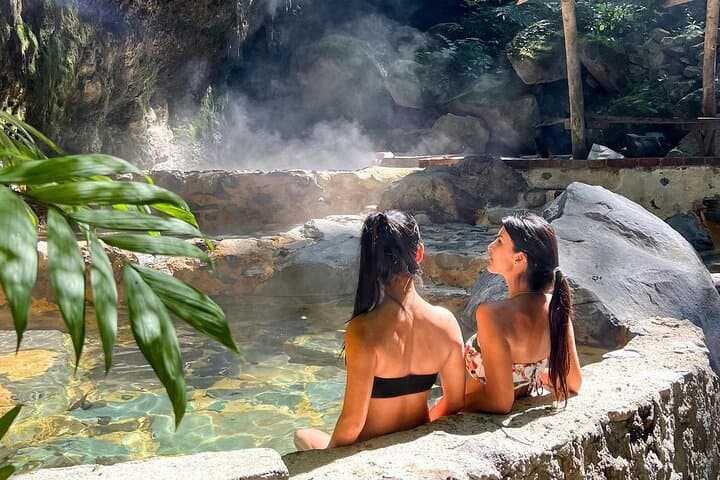
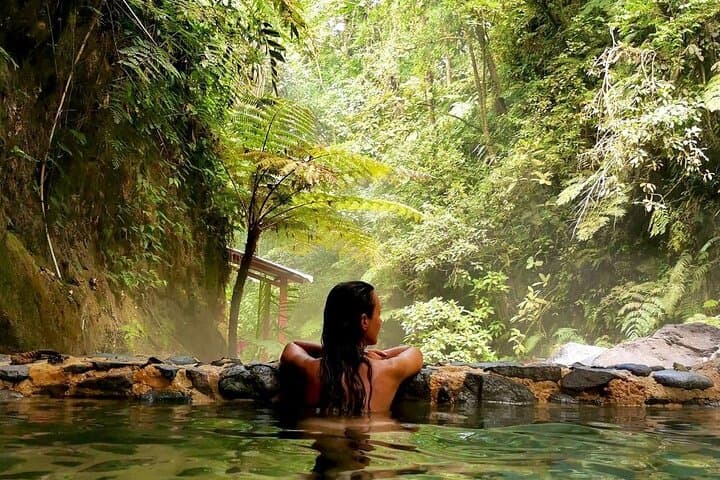
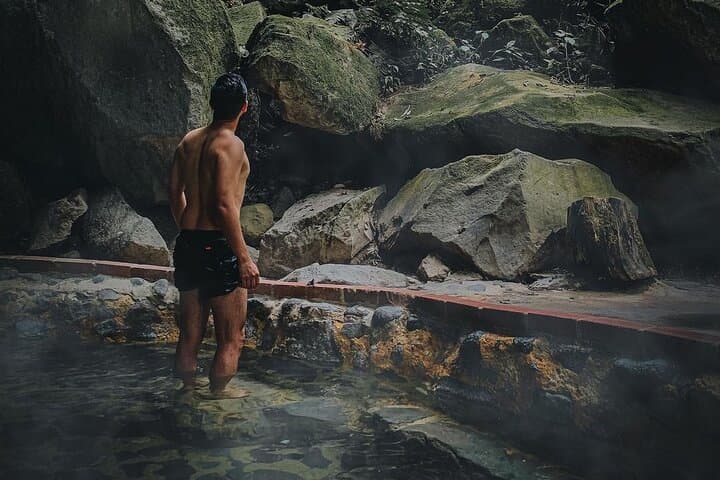
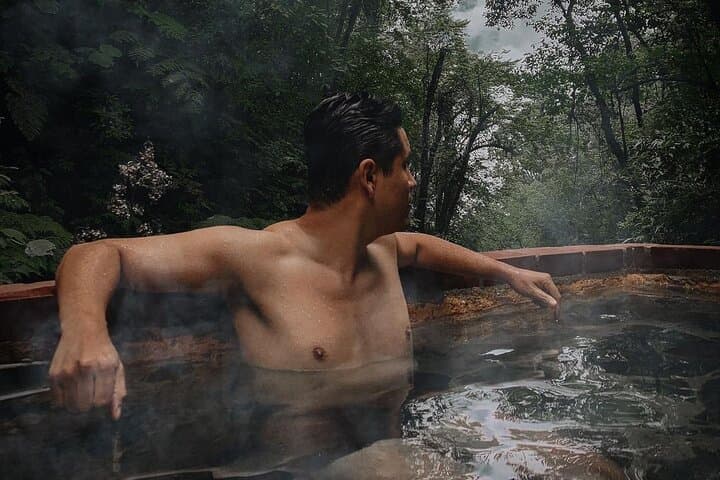
Steam rises in thin veils from stone pools, smelling faintly of sulfur and pine — the hot springs seem to breathe as you lower into the water. You arrive by winding mountain road, the silhouette of Zunil Volcano above, and a small cluster of tubs carved into the slope. The pools hold the day’s heat; the surrounding cloud forest keeps the air cool. Nearby, the market towns of Zunil and Almolonga hum with color: women in woven ponchos arrange mountains of onions and cabbage while elders sit by the plaza, speaking in K’iche’ and Spanish.
Steam rises in thin veils from stone pools, smelling faintly of sulfur and pine — the hot springs seem to breathe as you lower into the water. You arrive by winding mountain road, the silhouette of Zunil Volcano above, and a small cluster of tubs carved into the slope. The pools hold the day’s heat; the surrounding cloud forest keeps the air cool. Nearby, the market towns of Zunil and Almolonga hum with color: women in woven ponchos arrange mountains of onions and cabbage while elders sit by the plaza, speaking in K’iche’ and Spanish.
This is western Guatemala, where Mayan culture and volcanic geology are inseparable. Fuentes Georginas sits on the flank of Zunil volcano, its warm springs fed by groundwater heated along fractures in volcanic rock. The volcanic soils of Almolonga produce oversized vegetables — a local pride tied to both mineral-rich ash and generations of intensive, small-plot farming. Historic churches in these towns reflect colonial-era influence, but everyday life here still follows pre-Columbian rhythms: markets open early, traditional dress signals community identity, and languages other than Spanish remain in daily use.
On the tour you’ll split the day between restorative soaking and grounded cultural immersion. First, a 60–90 minute stay at the springs lets you unwind in pools of varying temperature; stone steps and wooden walkways provide access. Then it’s a short drive into Zunil to visit the central plaza and church, followed by Almolonga’s market — a dense, sensory place where produce piles high, vendors call prices, and you can buy fresh herbs or a snack from a señora selling fried corn. A certified guide leads the way and handles logistics, from entrance fees to hotel pickup in Quetzaltenango (Xela).
Practical edge: the hot springs are at high elevation, so the air is cool and sun can be strong. Bring a swimsuit, a full-body towel (many pools require one), and layered clothing for the return ride. Carry small bills for market purchases; vendors rarely take cards. The dirt paths and stone steps mean steady footwear is useful when you’re off the wooden platforms. The day runs about 4–5 hours with moderate travel between stops — easy on fitness but rich in sensory variety.
If you want photographs, warm pools framed by steam against a cloud forest make dramatic shots in the morning; market vignettes are best mid-morning when stalls peak. Respect local customs: ask before photographing people in traditional dress, and follow your guide’s cues in the market. This is a single-day tour that pairs quiet restoration with close-range cultural exchange — a compact but complete way to feel the layered landscapes and living traditions of Guatemala’s western highlands.